
Understanding the Project Discovery Phase in Software Development: A Comprehensive Guide
Many great software ideas stumble out of the gate; here’s how to avoid potential failure by defining your product

First impressions mean everything; according to the Nielsen Norman Group, the first 10 seconds1 are all the time a company has to persuade a user to remain on its website. Users are overwhelmed with poor design and clunky UI flooding the market. How can a company stand out?
The software development discovery phase is a critical part of the software development lifecycle, serving as the foundation for successful project execution. This phase involves gathering requirements, understanding user needs, and defining the project scope. In this comprehensive guide, we will delve into the various aspects of product development, exploring its importance, key activities, and best practices.
What is the Discovery Phase in Software Development?
The discovery phase of a project is the initial stage in the software development process where stakeholders come together to outline the software product and requirements. This phase is essential for ensuring that the team has a clear understanding of what needs to be built and why. It helps to minimize risks and uncertainties by establishing a solid foundation for subsequent phases. During this stage, various methodologies such as user interviews, surveys, and market research may be employed to gather comprehensive insights that will inform the project's direction.
Why the Discovery Phase Matters for Your Project
Investing in discovery helps you identify challenges early, saving significant time and resources later. According to the "Pulse of the Profession" report by the Project Management Institute, projects with robust discovery phases are 28% more likely to meet their project objectives and stay within budget. This phase creates alignment among your team and stakeholders, establishing a shared vision that motivates everyone involved.
Key Objectives You'll Accomplish
In an effective discovery process, you'll:
- Identify specific user needs and pain points through research
- Define measurable project goals and success criteria
- Establish a clear scope with timeline and budget parameters
- Assess technical feasibility and resource requirements
- Create detailed user personas representing your target audience
- Analyze competitors to identify market opportunities
User personas are particularly valuable as they transform abstract demographics into relatable characters with specific needs. These personas help your team empathize with users and design solutions that address real problems.
Key Activities in the Project Discovery Phase
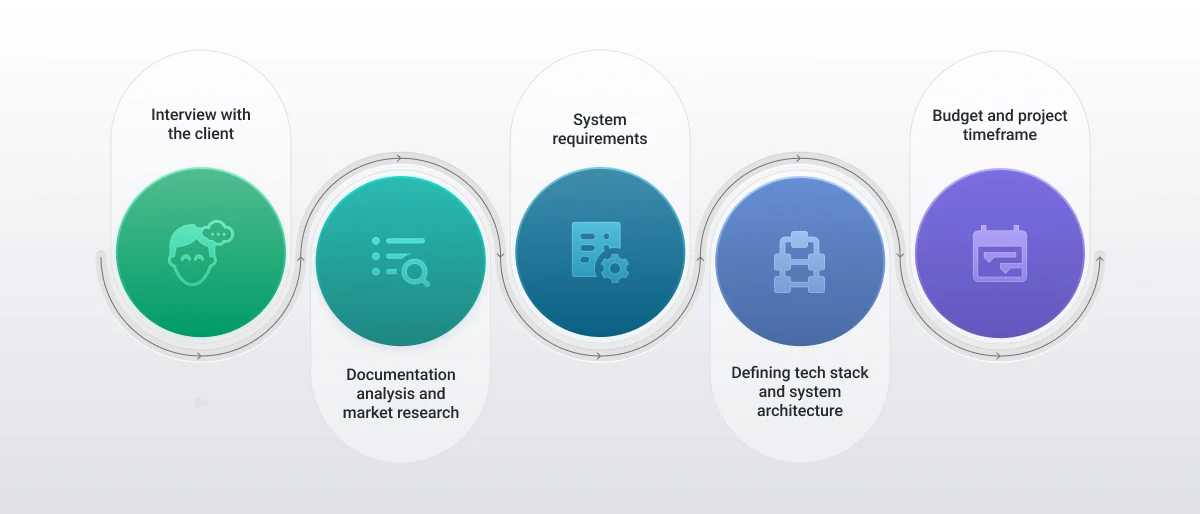
The project discovery encompasses a variety of activities that help gather information and define the project. These activities can vary depending on the project's nature and complexity, but generally include the following:
Stakeholder Interviews
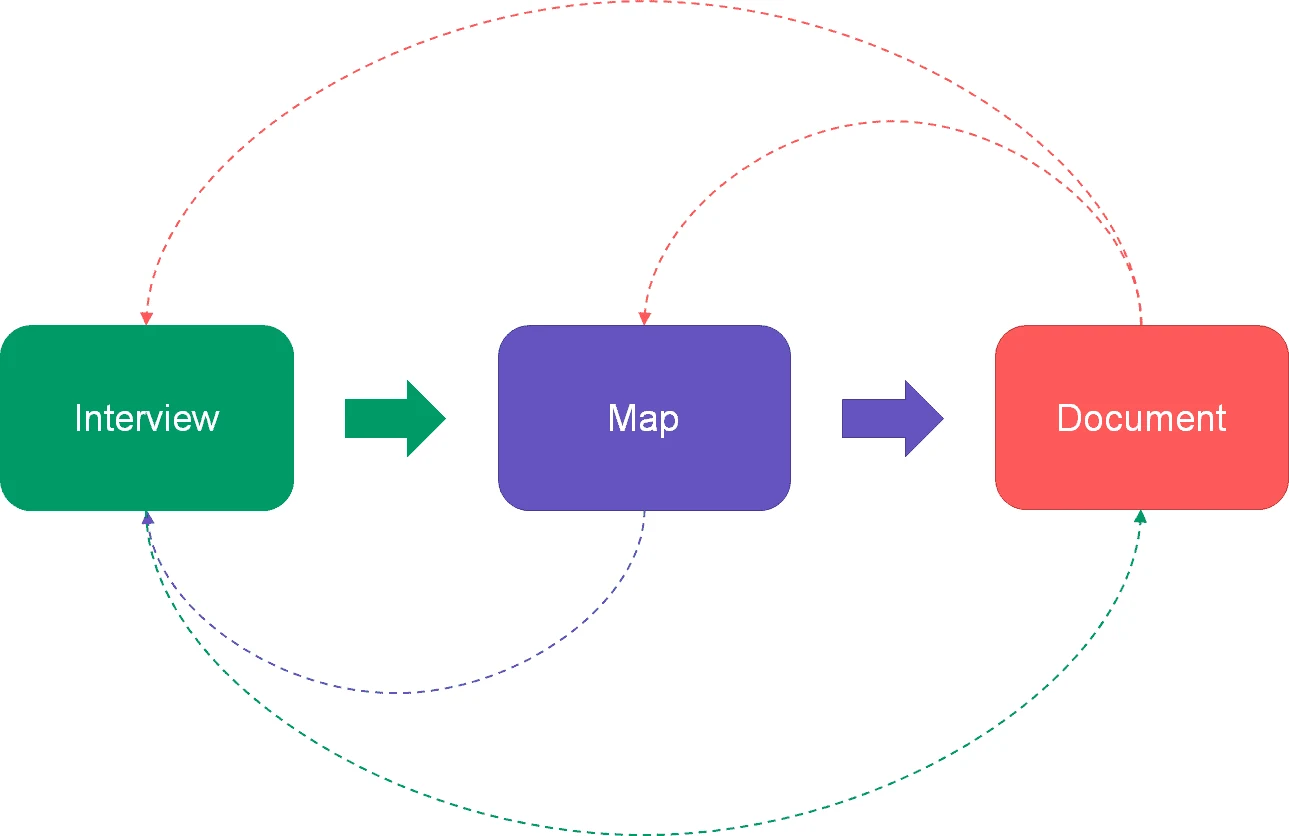
Interview key stakeholders to gather diverse perspectives on requirements and expectations. The discovery team can ask open-ended questions that reveal underlying needs:
- "What specific problems are you trying to solve?"
- "How do you measure success for this project?"
- "What concerns do you have about implementation?"
These conversations often reveal potential roadblocks that weren't initially apparent. By engaging stakeholders early, you create a sense of ownership that increases support throughout the project lifecycle.
Market Research and Analysis
Analyze competitors, industry trends, and user behaviors to position your product effectively. Look for:
- Competitors' strengths and weaknesses
- Unmet user needs in the market
- Emerging technology trends affecting your sector
This research helps you differentiate your offering by identifying gaps your competitors have overlooked. One fintech startup discovered through market analysis that while competitors offered robust financial tools, users struggled with complex interfaces, leading them to prioritize UX design in their development.
Creating User Personas
Create research-based personas that represent your target users' goals, pain points, and behaviors. Include:
- Demographic information
- Goals and motivations
- Technical proficiency
- Specific challenges and frustrations
These personas serve as reference points throughout development, ensuring everyone understands who they're building for. Map user journeys alongside personas to visualize critical touchpoints where you can improve the experience.
Defining Project Scope
Defining the scope is a crucial aspect of the project discovery. It involves outlining what will and will not be included in the project, which helps manage stakeholder expectations and prevent scope creep. A well-defined project scope is a guiding star for the entire project development team, ensuring everyone is aligned and working towards the same goals. It also serves as a reference point for making decisions throughout the project lifecycle, allowing for a more structured approach to problem-solving and resource allocation.
Inclusions and Exclusions
Clearly document what is and isn't included in your project:
- Specific features and functionalities
- Deliverables with acceptance criteria
- Systems and platforms supported
- Features explicitly excluded from the current phase
This clarity prevents scope creep and helps manage expectations. For example, specifying that a project includes user interface design but excludes backend integration helps stakeholders understand project boundaries.
Establishing Timelines and Milestones
Create a realistic timeline with specific milestones to track progress:
- Discovery completion date
- Design approval deadlines
- Development phases with completion targets
- Testing periods and final delivery date
These milestones serve as checkpoints to evaluate progress and make adjustments. When tied to deliverables, they enhance team members' accountability and provide stakeholders with transparency.
Engage Stakeholders in Scope Definition
Involve key stakeholders when defining scope to capture diverse perspectives. Schedule collaborative workshops where stakeholders can:
- Prioritize features using techniques like MSCW (Must have, Should have, Could have, Won't have)
- Review and validate requirements
- Discuss potential constraints and dependencies
This collaborative approach enriches your scope definition and builds stakeholder buy-in, as they feel heard and valued in the process.
Risk Assessment
Conducting a thorough risk assessment is essential in conjunction with defining the project scope. Identifying potential risks at the outset allows the project team to develop strategies for mitigation, ensuring that unforeseen issues do not derail progress. This proactive approach can include analyzing factors such as resource availability, technical challenges, and market dynamics.
By addressing these risks early, the project team can create a more resilient plan, ultimately leading to a smoother execution phase. Additionally, documenting these risks within the project scope can serve as a reference point for future projects, contributing to an organization's overall knowledge base and improving future project outcomes.
Risk Assessment and Mitigation
Identifying potential risks during the discovery phase is crucial for successful project execution. By assessing risks early on, teams can develop strategies to mitigate them, reducing the likelihood of project delays or failures. This proactive approach not only safeguards the project timeline but also enhances team morale, as members feel more secure knowing that potential pitfalls have been acknowledged and addressed.
Common Risks in Software Development
Some common risks associated with software development include:
- Shifting requirements or scope changes
- Technical challenges and integration issues
- Resource constraints or skill gaps
- Market changes affecting project relevance
- User adoption barriers
Each risk should be evaluated for both likelihood and potential impact on your project. For a recent healthcare application, one team identified data security compliance as their highest risk factor and prioritized addressing it before development began.
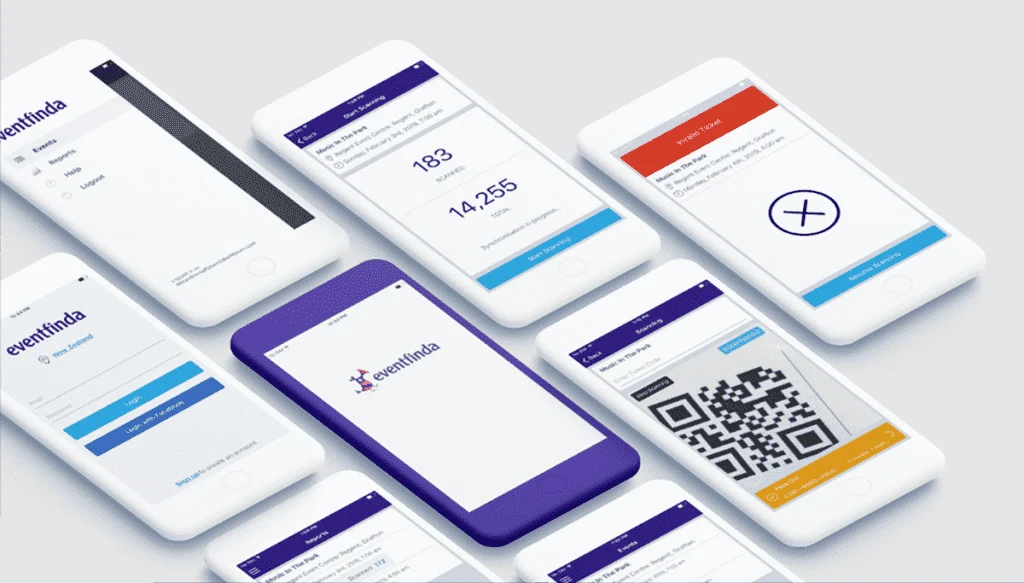
Case Study: Tixnet's Blockchain Ticketing Evaluation
Tixnet (a subsidiary of Ticombo GmbH) faced a strategic decision during their discovery phase: whether to implement blockchain technology for their access control application, and if so, how to integrate it effectively.
The discovery process revealed multiple blockchain implementation approaches:
- API-Encapsulated Blockchain: Where blockchain functionality is abstracted through APIs
- Direct Blockchain Integration: Where the application communicates directly with the blockchain network
The team systematically evaluated each approach by examining:
Technical Requirements:
- Security requirements and vulnerabilities
- Transaction speed and volume capabilities
- Integration complexity with existing systems
- Offline functionality is needed for venue access control
Business Considerations:
- Prevention of ticket scalping and fraud
- Secondary market potential for NFT tickets
- Cost implications of different blockchain technologies
- Client adoption barriers and educational needs
The discovery phase resulted in detailed documentation outlining:
- Blockchain integration architecture
- Data flow diagrams showing on-chain vs. off-chain processes
- API endpoint definitions for blockchain interaction
- User journey maps for blockchain-specific functions (such as NFT ticket transfers)
This thorough technical evaluation enabled Tixnet to offer clients both traditional digital ticketing and blockchain-based solutions with confidence, creating a competitive advantage while minimizing implementation risks.
Developing a Risk Management Plan
A risk management plan outlines how identified risks will be addressed. This plan should include strategies for monitoring risks, assigning responsibilities, and implementing mitigation measures. Regularly reviewing and updating the risk management plan is essential throughout the project lifecycle.
Create a comprehensive plan that outlines how you'll handle identified risks:
- Assign risk ownership to specific team members
- Develop mitigation strategies for high-priority risks
- Establish monitoring processes and triggers for action
- Create contingency plans for the most severe risks
Review this plan regularly and update it as new risks emerge. Implement clear reporting channels so team members can flag concerns early, allowing for timely intervention.
Technology Assessment Case Study: Making the Right Choice
A Malaysia-based fintech startup needed to develop an expense management and prepaid system but was unsure whether to use a white-label solution or build custom software. Their previous experience with a white-label e-wallet had revealed significant limitations.
During the discovery phase, Softjourn conducted a systematic analysis of both options:
White Label Solution Assessment:
- Evaluated the integration capabilities of existing payment providers
- Documented API limitations for expense management features
- Assessed customization constraints
- Identified long-term maintenance concerns
- Calculated total cost of ownership
Custom Development Assessment:
- Defined the required technical architecture
- Documented development scope and timeline
- Identified core technical competencies needed
- Outlined scalability considerations
- Projected maintenance requirements
This analysis produced a decision framework comparing both approaches:
Consideration | White Label | Custom Development |
|---|---|---|
Development Time | 2-3 months | 6-8 months |
Initial Cost | Lower | Higher |
Control | Limited | Complete |
Customization | Constrained | Unlimited |
Maintenance | Dependent on the provider | Self-directed |
Long-term Cost | Ongoing fees | Lower after the initial investment |
Technical Risk | Unknown dependencies | Controlled implementation |
The discovery phase concluded with detailed requirements specifications, wireframes, and user journeys that could be presented to investors, regardless of which approach was ultimately selected. This clarity significantly reduced the project's technical risk and positioned the startup for funding discussions with a solid foundation.
Project Discovery Phase Deliverables
The discovery phase in software development culminates in several key deliverables that guide the project moving forward. These deliverables serve as reference points for the development team and stakeholders, ensuring that everyone is on the same page and that the project is set up for success from the outset.
Requirements Document
The requirements document is a comprehensive outline of all the functional and non-functional requirements for the project. This document serves as a blueprint for the product development team, ensuring that everyone is aligned on what needs to be built. It includes detailed specifications, use cases, and acceptance criteria that help to clarify expectations.
Create a comprehensive outline of functional and non-functional requirements including:
- Detailed feature specifications
- System performance expectations
- Security requirements
- Integration points with existing systems
- Accessibility standards to meet
This document serves as your development blueprint and helps prevent scope creep by clearly defining expectations.
Project Roadmap
The project roadmap is a visual representation of the software development project timeline, including key milestones and deliverables. This roadmap helps stakeholders understand the project's progression and provides a clear path for the development team to follow.
Develop a visual timeline showing phases, milestones, and dependencies. Your roadmap should include:
- Major development phases
- Key deliverables with target dates
- Resource allocation periods
- Testing cycles and feedback loops
- Launch and post-launch activities
This visualization helps stakeholders understand progress and gives your development team clear direction.
User Journey Maps
User journey maps illustrate the steps users take when interacting with the product. These maps help the team visualize the user experience, identify pain points, and highlight opportunities for improvement. The team can better understand user motivations and behaviors by breaking down the user experience into distinct stages, such as awareness, consideration, and decision-making.
Create visual representations of how users interact with your product, highlighting:
- Entry points and first impressions
- Core functional pathways
- Decision points and potential obstacles
- Emotional states throughout the experience
- Opportunities for improvement
These maps help you identify friction points and prioritize features that enhance the overall user experience.
Stakeholder Feedback Summary
The stakeholder feedback summary compiles insights and opinions gathered from various stakeholders throughout the discovery phase. This document captures the perspectives of different parties involved, including clients, end-users, and team members, ensuring that diverse viewpoints are considered in the decision-making process.
Compile insights from various stakeholders, including:
- Key requirements and priorities by stakeholder group
- Areas of consensus and disagreement
- Specific concerns requiring resolution
- Feature prioritization rankings
This summary ensures diverse viewpoints inform your development decisions and helps manage stakeholder expectations throughout the project.
Competitive Analysis Report
The competitive analysis report provides an overview of the market landscape, highlighting key competitors, their offerings, and their strengths and weaknesses. This report is crucial for identifying gaps in the market and understanding industry trends that could impact the project.
Document your market landscape findings:
- Direct and indirect competitors
- Competitive feature comparison matrix
- Strengths and weaknesses of alternatives
- Market gaps and opportunities
- Unique selling propositions for your product
This analysis informs both development priorities and marketing strategies, ensuring your product stands out in the marketplace.
Case Study: Cinewav's Audio Synchronization Challenge
When Singapore-based startup Cinewav approached Softjourn with their innovative outdoor cinema concept, they faced a critical technical challenge: synchronizing projected video with audio delivered through viewers' smartphones. This synchronization had to work perfectly despite variable network connectivity, diverse mobile devices, and different types of headphones.
The first step of the project discovery was developing a proof of concept (POC) to validate the technical approach. The team documented specific synchronization requirements, including:
- Audio latency tolerance (under 10ms)
- Network connectivity requirements and offline capabilities
- Device compatibility specifications
- Bluetooth headset synchronization parameters
This thorough discovery process uncovered critical technical constraints that would have derailed development if discovered later. For example, the team identified that Bluetooth headsets pose varying latency challenges that require both automatic correction and manual adjustment capabilities.
Key Deliverables:
- Functional specifications with synchronization parameters
- Technical architecture assessment
- User experience requirements for manual adjustments
- Feedback mechanism design for ongoing improvement
By investing in a comprehensive discovery phase, Cinewav validated their business concept technically before committing to full development, transforming what seemed like an insurmountable challenge into a viable product that became their core competitive advantage.

Discovery Phase Team Composition and Responsibilities
A well-structured discovery team brings together diverse perspectives and skills. Your discovery phase will benefit from including these key roles:
Project Manager(Discovery Lead)
Responsibilities:
- Orchestrate the overall project plan
- Facilitate workshops and stakeholder meetings
- Manage timelines and ensure deliverables are completed
- Identify and resolve blockers
- Synthesize findings into actionable recommendations
The ideal discovery lead combines strong communication skills with technical understanding. They serve as the bridge between business stakeholders and technical team members, translating business needs into technical requirements.
Business Analyst
Responsibilities:
- Gather and document detailed requirements
- Conduct stakeholder interviews
- Map current processes and identify pain points
- Define metrics for measuring project success
- Create functional specifications
Business analysts dig into the details of how users work and what they need. They ask probing questions that reveal unstated requirements and translate business problems into solution frameworks.
UX Designer/Researcher
Responsibilities:
- Conduct user research and usability testing
- Create user personas and journey maps
- Develop wireframes and prototypes
- Identify user pain points and opportunities
- Advocate for user-centered solutions
UX professionals bring the voice of the user into the discovery phase process. Their research provides empirical evidence about user needs, preventing the team from building solutions based on assumptions rather than facts.
Technical Architect/Lead Developer
Responsibilities:
- Assess the technical feasibility of proposed solutions
- Identify integration points and potential challenges
- Provide input on technology selection
- Estimate development complexity and effort
- Define technical constraints and requirements
Technical architects evaluate proposed solutions through a practical lens. They identify potential technical constraints early, preventing the team from pursuing directions that would be problematic to implement.
Domain Expert/Subject Matter Expert (SME)
Responsibilities:
- Provide specialized knowledge about the business domain
- Validate requirements from a practical standpoint
- Identify industry regulations and standards to consider
- Help prioritize features based on business impact
- Review deliverables for accuracy and completeness
SMEs contribute deep knowledge about how things currently work and what industry-specific considerations must be addressed. Their expertise helps ground the discovery in practical reality.
Product Owner/Business Stakeholder
Responsibilities:
- Define the product vision and business objectives
- Make key decisions about scope and priorities
- Approve final requirements and project direction
- Represent business interests and needs
- Secure necessary resources and organizational support
Product owners provide direction and make critical decisions about scope, priorities, and trade-offs. Their clear vision helps keep the discovery process focused on delivering business value.
Optional Specialists (As Needed)
Depending on your project, you may need additional specialists:
- Data Analyst: For projects requiring significant data migration or analytics
- Security Expert: For applications handling sensitive information
- Compliance Specialist: For highly regulated industries
- Change Management Expert: For projects with significant organizational impact
- Integration Specialist: For complex systems integration projects
Team Size Considerations
The optimal discovery team size typically ranges from 4 to 7 core members. Smaller teams may move faster but risk missing important perspectives, while larger teams can become unwieldy and slow decision-making.
For complex enterprise projects, consider using a hub-and-spoke model where a core team conducts the discovery with input from extended team members who join for specific discussions relevant to their expertise.
Best Practices for a Successful Product Discovery Phase
To maximize the effectiveness of the discovery phase of a software project, several best practices should be followed. These practices can help ensure that the project is well-defined and set up for success.
Engage All Stakeholders
Involving all relevant stakeholders in the discovery phase provides diverse perspectives and insights. This engagement fosters collaboration and helps ensure that the final product meets the needs of all parties involved. Stakeholders can include not only project sponsors and team members but also end-users, customers, and even external partners.
Include representatives from all affected groups:
- End-users and customers
- Technical team members
- Business owners and decision-makers
- Support and maintenance staff
- External partners, when relevant
Use multiple engagement methods—interviews, workshops, surveys—to capture diverse perspectives. This inclusive approach improves your product's quality and builds organizational commitment to the project.
Iterative Approach
Adopting an iterative approach during the discovery phase allows teams to refine their understanding of requirements and user needs even for the most complex projects. Regular feedback loops can help identify gaps and improve the overall quality of the project.
Adopt an iterative methodology that allows for refinement:
- Test assumptions with small experiments
- Create prototypes to visualize concepts
- Gather feedback at regular intervals
- Adjust requirements based on new insights
This approach lets you course-correct early when changes are less expensive and disruptive. For example, creating wireframes or interactive prototypes helps stakeholders visualize concepts and provide actionable feedback before development begins.
Documentation and Transparency
Maintaining thorough documentation throughout the discovery phase is essential for ensuring transparency and accountability. This documentation serves as a reference for all stakeholders and can help prevent misunderstandings and miscommunications. It is beneficial to create a centralized repository for all project-related documents, including meeting notes, decision logs, and requirement specifications.
Document decisions, requirements, and insights throughout the discovery process:
- Create a centralized repository for all project documents
- Record meeting notes and action items
- Maintain decision logs with rationales
- Update documentation as requirements evolve
This documentation provides valuable context for your development team and serves as reference material when questions arise.
Conclusion
The discovery stage is a vital component of software development that lays the groundwork for a successful project. By investing time and effort into understanding user needs, defining project scope, and identifying potential risks, teams can create a solid foundation for the development process.
Implementing best practices during this phase, such as engaging stakeholders and maintaining thorough documentation, can further enhance the effectiveness of the discovery phase. Ultimately, a well-executed discovery phase helps the development process and a product that truly meets user needs.
As the software development landscape continues to evolve, the importance of the discovery phase remains constant. By recognizing its value and committing to a thorough exploration of project requirements, teams can set themselves up for success in an increasingly competitive market.
Ready to embark on your software development journey with a trusted partner by your side? Softjourn, with over two decades of expertise and a commitment to innovation, is here to guide you through every phase of your project. From fintech to entertainment and ticketing, our full-cycle consulting and software development company is tailored to meet the unique challenges of your industry. Embrace the power of cutting-edge technologies and user-centric designs with our dedicated team, ensuring your project's success from the very start. Softjourn not only has the talent to bring your Ticketing, Media & Entertainment, FinTech, and Cards & Payments ideas to life, but to help you firm up your product definition by understanding the technical need.
Don't let the complexities of the project discovery stage hold you back. Contact us today to turn your vision into reality with Softjourn's strategic guidance and technical excellence.