
Global Event & Ticketing Regulations: A Country-by-Country Guide
From stadium concerts to international sports championships, the live events industry operates under a growing and often inconsistent web of regulations.

From stadium concerts to international sports championships, the live events industry operates under a growing and often inconsistent web of regulations.
Rules governing how tickets are sold, priced, resold, and protected vary dramatically across borders: what's legal in one country can be a criminal offense in another. For event organizers, ticketing platforms, and venues operating internationally, understanding this regulatory landscape is not optional.
This guide covers the major ticketing and event regulations across all key regions, updated to reflect laws and developments through mid-2026. It includes national frameworks, country- and state-level rules, and regulatory news still working its way through legislatures.
Why We Track These Numbers
Softjourn has spent more than 20 years building ticketing and event technology for platforms operating across multiple countries, which means compliance questions like these come up directly in our client work. Our research and content teams monitor legislative changes, enforcement actions, and regulatory news across every major ticketing market so platforms and organizers have an accurate, current reference rather than a guide that goes stale the moment a new bill passes.
This guide draws from primary sources including government legislation, FTC and Competition Bureau filings, and court records, and we revisit it regularly as laws like Ontario's Bill 97 and the US TICKET Act continue to move through their respective processes.
At a Glance: Resale Price Caps by Jurisdiction
Dozens of jurisdictions regulate ticket resale differently, but most converge on some version of a price cap. Here's how the major markets compare:
Jurisdiction | Resale Cap | Basis |
Ireland | 100% (no premium) | Sale of Tickets Act 2021, designated venues (1,000+ capacity) |
Japan | 100% (no premium without organizer consent) | Ticket Resale Prohibition Act |
South Korea | Effective ban on scalping | 2026 Performance Act / National Sports Promotion Act amendments (in force H2 2026) |
Ontario, Canada | 100% of total original cost | Bill 97 (effective April 2026) |
Netherlands | 100% (no premium) | General consumer/pricing law |
Italy | 100% (refund rights above face value) | National resale prohibition |
France | 110% of face value | National resale cap |
New South Wales, Australia | 110% of face value | Ticket Scalping Act 2021 |
Victoria, Australia | 110% of face value (declared major events) | Major Events (Crowd Management) Act 2003 |
South Australia | 110% of face value | Prices Act (amended 2021) |
Minnesota, US | 110% of face value | Minnesota Fan Protection Act |
Germany | 125% of face value (where organizer contract specifies) | Enforceable via ticket terms & conditions |
Spain | No blanket cap; premium resale requires organizer authorization | Consumer protection law |
Belgium | No numeric cap; resale "for profit" without authorization prohibited | National law |
UK | No cap currently in force; ban proposed, delayed to 2027 | Draft legislation |
US (federal) / Texas / Florida | No cap; free-market resale | State/federal law |
US Event & Ticketing Regulations
The United States has one of the most active and most contested ticketing policy environments in the world. Federal consumer protection agencies, Congress, state legislatures, and the courts have all taken action in recent years, making this the region with the most legislative momentum.

Country-Wide (Federal) Regulations
1. Better Online Ticket Sales (BOTS) Act, Enacted 2016 – Enforcement was limited for years due to resource and monitoring challenges, but that has changed. In August 2025, the FTC sued Maryland-based broker Key Investment Group, alleging it used thousands of Ticketmaster accounts, proxy IP addresses, and other methods to acquire at least 379,776 tickets for nearly $57 million. In April 2026, a federal judge denied the company's motion to dismiss, ruling that the BOTS Act applies to "any person" who circumvents ticket limits, not just automated bots. A second case followed in July 2026, when Georgia-based Elite Events agreed to $300,000 in payments under a proposed judgment that imposed more than $10.7 million in penalties, most of them suspended.
2. FTC Junk Fees Rule (Trade Regulation Rule on Unfair or Deceptive Fees), Finalized December 17, 2024 – On December 17, 2024, the FTC finalized a rule requiring live-event ticket sellers to display all-in pricing, the total price including all mandatory fees, at the first point at which any price is shown to a consumer.
The rule prohibits hiding service fees, processing fees, or facility charges until checkout, and it covers both primary and secondary ticket markets. The FTC estimated the rule would save consumers over 53 million hours per year and $11 billion over the next decade. It took effect on May 12, 2025.
3. Americans with Disabilities Act (ADA), Ticketing Provisions, originally enacted 1990 (ticketing rules updated in 2010) – The ADA's ticketing requirements apply to all public and private venues open to the public. Venues must offer accessible seating in all price categories, at no higher price than comparable non-accessible seats.
Patrons purchasing accessible seats must be allowed to buy up to three adjacent companion seats when available. Accessible tickets must be sold through the same methods and timeframes as all other tickets. Enforcement is managed through the Department of Justice, and these rules apply to sales made both at the venue box office and through third-party ticketing platforms.
State Regulations
All-In Pricing Laws (California, Colorado, Connecticut, Maryland, Minnesota, New York, Tennessee) – Several states passed their own all-in pricing mandates before the federal FTC rule took effect, legally requiring ticket sellers to display the full ticket price, including fees, from the first price shown. These state laws predate federal action and remain in force.
Anti-Bot / Deceptive Website Prohibitions (Colorado, Maryland, Michigan, Minnesota, Nevada, New Jersey, New York, Tennessee, Texas, Utah) – These states have enacted statutes specifically prohibiting the use of bot software to mass-purchase tickets for resale, and in several cases extend to deceptive URLs or lookalike ticketing websites designed to mislead consumers.
1. Minnesota Fan Protection Act, Enacted May 7, 2024 – Signed by Governor Tim Walz and widely referred to as the "Taylor Swift bill," this law bans speculative ticketing, the practice of selling tickets before actually possessing them, and requires full price transparency at the point of sale. It also prohibits the resale of tickets above 110% of face value for events in Minnesota. It is among the most comprehensive state-level fan protection laws in the country.
2. Vermont H.512, Signed May 26, 2026 – Signed by Governor Phil Scott, Vermont's law caps ticket resale at 110% of face value for concerts, sporting events, and other live entertainment, making Vermont the only US state with an enforceable resale price cap. It also bans speculative ticket sales and prohibits secondary exchanges from using deceptive URLs or falsely implying an affiliation with a venue or artist. The state Attorney General can run audits, issue penalties, and revoke reseller licenses, and violations are treated as unfair and deceptive acts under state law. The law took effect July 1, 2026.
3. State-Level Anti-Scalping Laws (various states and specific conditions) – Anti-scalping laws exist in varying forms across the US. Many are old, inconsistent, and poorly enforced. States such as Alabama, Georgia, Illinois, and Massachusetts have statutes restricting resale above face value in certain conditions (proximity to the venue, lack of organizer authorization). Others, like Texas and Florida, have historically allowed free-market resale with minimal restrictions. The NCSL's 2024 Event Ticket Sales Legislation tracker offers a current summary across all 50 states.
4. California AB 1349 (Speculative Ticketing Ban) – Signed by Governor Gavin Newsom on September 27, 2026, AB 1349 bans the sale of tickets the seller doesn't yet own, often called speculative or "ghost" tickets. It also prohibits using software to get around a venue's purchasing restrictions. Resellers must "implement reasonable measures" to prevent speculative listings, and violators can face misdemeanor charges and penalties.
The bill's path through the Legislature pitted the two largest players in ticketing against each other. Live Nation backed the original version. StubHub spent $4.4 million lobbying on this bill and several others over the two-year session. After late amendments, the positions reversed. StubHub supported the final bill. The National Independent Venue Association (NIVA) opposed it and urged a veto. NIVA argued that the signed version exposes independent venues to liability for presale, VIP, and waitlisted tickets while exempting resale marketplaces from being classified as speculative sellers. The Ticket Policy Forum, which represents StubHub and SeatGeek, rejects that reading and says the ban applies on resale marketplaces too.
Newsom's signing statement acknowledged the concern, noting that a carve-out for certain sellers "deserves further discussion," and asked the bill's author to refine it with stakeholders. Amendments are likely in the next session. A separate bill that would have capped resale markups at 10% stalled in the Senate Appropriations Committee in August 2026. AB 1349 puts California alongside Minnesota, Vermont, and DC's pending RESALE Act as jurisdictions that ban speculative ticket sales outright.
5. Massachusetts Great Divide Act, Pending – Announced by Governor Maura Healey in July 2026 and named after Noah Kahan's song, the Great Divide Act would cap ticket resale at 110% of face value, limit resale marketplace fees to 10% of the listed resale price, and ban speculative ticket sales. It would also prohibit resale websites that falsely suggest an affiliation with artists or venues, and bar resellers from misleading buyers about ticket availability or scarcity. Resale above the cap would be allowed only when a written contract with the ticket issuer permits it. The proposal is moving through two tracks at once: Healey placed it in the state's closeout supplemental budget (H.5679), while the state Senate has passed a separate version. As of September 2026, lawmakers have not agreed on a final text.
US Ticketing Policy Updates & News
1. TICKET Act (Transparency In Charges for Key Events Ticketing Act), Passed House April 29, 2025, Pending Senate – The TICKET Act (H.R. 1402) would require all ticket sellers, primary and secondary, to disclose the total all-in price at the first point any price is displayed, provide an itemized breakdown before checkout, and prohibit speculative ticket sales (selling tickets the seller does not actually possess). A similar bill passed the House in May 2024 but stalled in the Senate. As of mid-2026, the Senate has not yet voted on the current version.
Related reading: Softjourn's in-depth breakdown of the TICKET Act and what it means for ticketing platforms is available here: Transforming Ticketing: How the TICKET Act Is Bringing Transparency to the Industry
2. MAIN Event Ticketing Act (Mitigating Automated Internet Networks for Event Ticketing Act), Advanced by House Committee September 16, 2026 – The MAIN Event Ticketing Act would strengthen BOTS Act enforcement by requiring ticket issuers to maintain technological controls that enforce posted purchase limits, report known circumvention incidents to the FTC within 30 days, and keep their safeguards updated as threats change. It would also raise civil penalties to at least $10,000 for each day a violation continues, plus at least $1,000 per violation.
The Senate version (S. 196) cleared the Senate Commerce Committee and was reported to the Senate in September 2025 but has not passed the full chamber. On September 16, 2026, the House Energy and Commerce Committee voted 36-0 to advance the House version (H.R. 2713). No House floor vote has been scheduled. It is seen as a complement to the TICKET Act rather than a standalone measure.
3. Trump Executive Order on Ticketing, March 31, 2025 – President Trump signed Executive Order 14254, "Combating Unfair Practices in the Live Entertainment Market," directing the FTC to prioritize enforcement of the BOTS Act and the Junk Fees Rule, and directing the Attorney General to ensure ticket scalpers comply with tax law. The order also called for price transparency at all stages of the ticket-buying process. Live Nation publicly supported the order. Critics noted that the order creates no new legal obligations: it simply directs agencies to enforce existing rules more aggressively.
3. Executive Order on Live Entertainment Ticketing, March 31, 2025 – [Executive Order 14254], "Combating Unfair Practices in the Live Entertainment Market," directs the FTC to prioritize enforcement of the BOTS Act and the Junk Fees Rule, and directs the Attorney General to ensure ticket scalpers comply with tax law. The order also calls for price transparency at all stages of the ticket-buying process. Live Nation publicly supported the order. Critics noted that the order creates no new legal obligations: it simply directs agencies to enforce existing rules more aggressively.
4. FTC Sues Live Nation and Ticketmaster, September 2025 – On September 28, 2026, a federal judge in California denied Live Nation and Ticketmaster's motion to dismiss, allowing both the BOTS Act and deceptive-pricing claims to proceed to discovery. The court rejected Ticketmaster's argument that displaying "+Fees" next to ticket prices adequately disclosed additional charges, citing precedent that a practice can be deceptive at a consumer's first contact even if full pricing appears later. Ticketmaster has since moved to all-in pricing, but the claims over its earlier practices continue.
5. DOJ Antitrust Verdict Against Live Nation, April 2026 – A federal jury in New York found on April 15, 2026, that Live Nation and Ticketmaster illegally monopolized the live events industry and overcharged consumers, with Ticketmaster found to have overcharged $1.72 per ticket. The Trump administration's DOJ settled its own case against Live Nation for $280 million during the trial (which began March 2, 2026), without requiring a divestiture. That settlement did not bind the states: 33 states and the District of Columbia rejected it and continued litigating independently, winning on every antitrust count submitted. A remedies phase is now underway, and the most likely outcome involves further litigation over potential divestiture of assets, including a possible forced separation of Live Nation and Ticketmaster.

6. FIFA World Cup 2026 Dynamic Pricing Controversy – Hosted jointly by the US, Canada, and Mexico, the 2026 World Cup marked FIFA's first use of dynamic pricing for ticket sales, and it has become a live case study in the transparency fights this guide otherwise tracks state by state. FIFA's refusal to disclose pricing logic or remaining inventory left buyers queuing for hours with no visibility into what they'd ultimately pay. In May 2026, the attorneys general of New York and New Jersey subpoenaed FIFA as part of a joint investigation into its pricing, its ticket release schedule, and reports that fans were misled about seat locations. Texas opened a separate investigation in June over seat downgrades, and California's attorney general sent FIFA a letter raising concerns about potentially misleading practices.
In Europe, Football Supporters Europe and Euroconsumers filed a complaint with the European Commission alleging FIFA abused its monopoly over World Cup ticket sales. Reports also emerged of roughly 180,000 unsold tickets just two days before kickoff, suggesting the pricing strategy priced out a meaningful share of the fan base without fully selling out the tournament. The tournament ended July 19, 2026, but none of the investigations had been publicly resolved as of September 2026.
7. RESALE Act (Restricting Egregious Scalping Against Live Entertainment Act), Passed July 14, 2026 – The DC Council unanimously passed the RESALE Act, introduced by Councilmember Charles Allen, on July 14, 2026. The law caps resale of live entertainment tickets at 10% above face value, with a separate fee allowance of up to 10%, meaning buyers pay no more than 120% of face value in total. The mayor can adjust the cap after one year. It also requires upfront all-in pricing, bans speculative ticket sales and surveillance pricing based on personal data (with exceptions for group discounts like seniors or students), and requires anyone reselling 50 or more tickets a year to register with the District and post a $25,000 surety bond. Civil penalties reach $5,000 for a first violation and $10,000 for subsequent violations. Sporting events are not covered. Backed by concert promoter I.M.P. and already funded in the District's budget, the law is set to take effect January 1, 2027, pending the mayor's signature and a 30-day congressional review.
Canada Event & Ticketing Regulations
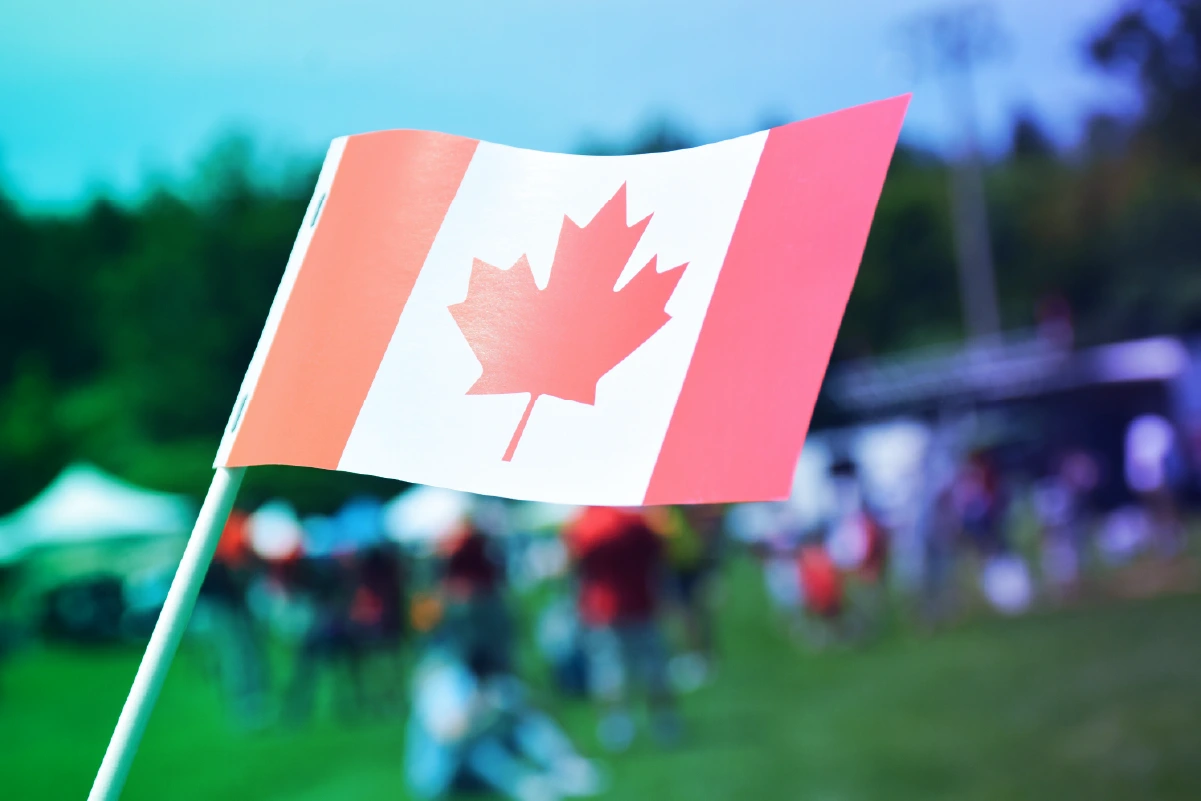
Canada's approach to ticketing regulation is primarily provincial, though federal competition law has been strengthened in recent years to address specific industry-wide practices like drip pricing.
Country-Wide (Federal) Regulations
1. Competition Act, Drip Pricing Prohibition (Bill C-59), Effective June 2024 – Canada's Competition Act amendments introduced through Bill C-59 made drip pricing explicitly illegal nationwide. Under the updated law, ticket sellers must disclose the full price, including all mandatory fees and charges, at the first point a price is displayed to a consumer. The only costs that can be excluded from the upfront price are government-imposed taxes. This applies to all ticket sellers operating in Canada, including secondary platforms. Enforcement is handled by the Competition Bureau.
2. Bot Use for Ticket Purchase, Prohibited Federally and Provincially – While Canada does not have a standalone federal anti-bot act equivalent to the US BOTS Act, the use of automated software to purchase tickets beyond stated limits for the purpose of resale is prohibited under consumer protection frameworks in Ontario and British Columbia, and falls under misleading and deceptive practices provisions of federal competition law.
Provincial Regulations
1. Ontario, Ticket Sales Act (2017) and Bill 97 Resale Cap (Effective April 23, 2026) – Ontario's Ticket Sales Act, passed in 2017, prohibited the use of bots for ticket purchasing and required full fee disclosure earlier in the buying process. A resale cap at 150% of face value was included but was scrapped by Premier Doug Ford's government in 2019 before it came into force.
That cap was reinstated and strengthened through Bill 97 (part of the province's budget bill). Effective April 23, 2026, tickets in Ontario cannot be resold above the original total cost, including all service fees and taxes. Secondary platforms must retain proof of original purchase price for a minimum of three years. Ticketmaster delisted its Ontario resale inventory to comply, and the province has since begun active enforcement inspections against resellers still listing above face value.
The province began with an education-first approach, sending inspection letters to 27 resale websites in the spring. Fines followed: SeatGeek Canada was fined $25,000 in August 2026 and StubHub Canada $20,000 in September 2026, and both were added to the province's Consumer Beware List. StubHub has said it will appeal, arguing it cannot verify original ticket prices without data from the primary platform. Violations can carry fines of up to $250,000.
2. British Columbia, Ticket Sales Regulation (BC Reg. 129/2021)– British Columbia's Ticket Sales Regulation, in force since 2021, prohibits the use of automated software (bots) to purchase tickets in excess of limits set by event organizers, and requires that ticket resellers disclose when they are selling above face value and by how much. It also prohibits misleading or deceptive representations about ticket availability or pricing.
3. Quebec, Consumer Protection Act Amendments (Tabled 2025) – Quebec tabled amendments to its Consumer Protection Act in 2025 that would ban ticket resale above face value, regulate subscription auto-renewal practices, and strengthen penalties for deceptive ticket-selling practices. The amendments were introduced by Justice Minister Simon Jolin-Barrette. As of mid-2026, the bill is still working through the legislative process.
4. Manitoba, Anti-Scalping Law –that restrict the resale of tickets above their original purchase price. Enforcement has been limited in practice due to the dominance of online secondary platforms operating outside provincial jurisdiction.
Europe Event & Ticketing Regulations
Europe's ticketing regulatory landscape operates on two levels: EU-wide frameworks that apply across all member states, and country-specific laws that vary significantly in scope and enforcement. The UK, having left the EU, has its own parallel framework.

EU-Wide Regulations
1. General Data Protection Regulation (GDPR), In Force May 2018 – GDPR is the foundational data privacy law governing how any organization, including event organizers and ticketing platforms, collects, stores, and uses the personal data of EU residents. This applies regardless of where the organization is based. For ticketing, GDPR requires explicit consent before collecting registration data, clear communication of how personal data will be used, and strict security standards for storing purchaser information. A 2024 breach of a major ticketing provider exposed data from up to 500 million customers, putting GDPR compliance under the spotlight industry-wide. Fines can reach €20 million or 4% of global annual turnover.
2. Digital Services Act (DSA), Full Force Effective February 17, 2024 – The DSA came into full force on February 17, 2024, with major implications for secondary ticketing platforms operating in the EU. Under the DSA, online marketplaces must verify and identify sellers listing tickets, display seller names and contact information alongside listings, produce annual transparency reports on ticket listing takedowns, and clearly disclose to buyers when tickets come from a third party rather than the platform itself. Platforms that use dark patterns, countdown timers, artificial scarcity alerts, and forced defaults to pressure purchases are also prohibited. Penalties for non-compliance reach up to 6% of global annual turnover, and each EU member state has appointed a Digital Services Coordinator (DSC) to enforce the rules.
3. EU Consumer Rights Directive (2011/83/EU) and Cross-Border Regulation (EU 2017/2394) – The Consumer Rights Directive requires event ticket sellers to provide clear pre-sale information, including total price with all fees, cancellation rights, and the identity of the seller. Regulation 2017/2394 established the Consumer Protection Cooperation (CPC) Network, which coordinates enforcement across member states on cross-border ticket sales and consumer rights violations.
4. Payment Services Directive 2 (PSD2), Effective December 2020 – PSD2 prohibits businesses, including airlines, event organizers, and ticketing platforms, from imposing surcharges on standard payment methods. This means a ticket platform cannot charge an additional fee for using a debit card or standard credit card. The directive also introduced Strong Customer Authentication (SCA) requirements for online payments, adding a security layer to high-value ticket purchases. A revised PSD3 was in legislative development as of mid-2026.
5. FEAT (Federation of European Associations of Ticketing) Anti-Scalping Policy, Announced October 2025 – The European ticketing industry association FEAT unveiled a formal anti-scalping policy in October 2025, covering its member platforms and associations. The policy establishes common standards for member countries around resale price transparency, seller verification, and bot-prevention measures, in alignment with the DSA. This is an industry self-regulatory layer rather than legislation, but it covers ticketing operations across most major European markets.
6. EU Digital Fairness Act, Proposal Expected Q4 2026 – The European Commission's 2026 work programme schedules a Digital Fairness Act proposal for the fourth quarter of 2026, targeting dark patterns, unfair personalization, and other online practices that existing consumer rules don't reach. Following the 2026 World Cup, live music and consumer rights groups have called for the Act to ban dynamic pricing for live events. Once proposed, it will still need to pass the European Parliament and Council, so any new obligations are likely years away.
Non-EU Wide Regulations
Turkey, Law No. 6222 on the Prevention of Violence and Disorder in Sports, Enacted 2011 – Turkish law restricts the sale of sports tickets to the relevant federation, sports clubs, or specifically authorized institutions. Reselling above face value is a criminal offense punishable by one to three years' imprisonment and fines, with harsher penalties for producing or selling counterfeit tickets. The law applies specifically to sporting events rather than concerts or cultural events broadly.
Norway, Secondary Ticketing Act, In Force 2007 – Norway's Secondary Ticketing Act prohibits reselling tickets to cultural and sporting events above the price set by the organizer, including the original booking fee. Buyers who pay more than that price are entitled to reclaim the difference. As an EEA member rather than an EU member, Norway's law sits outside the EU-wide frameworks described above, though it lands among the stricter resale regimes in the region, closer to Ireland's zero-premium standard than to the UK's disclosure-based model.
Balkan Markets (Serbia, Bosnia and Herzegovina, Albania, North Macedonia, Montenegro, Kosovo) – None of these markets currently has a dedicated ticket-resale or anti-scalping statute. Ticket sales are governed by general consumer-protection and commercial law, the same pattern this guide describes across most of Africa and Latin America. As regional live-events markets grow, this is a genuine regulatory gap rather than a settled legal position, and worth monitoring rather than treating as resolved.
Ukraine – Ukraine has no ticket-resale-specific statute; general consumer protections run through the Law "On Consumer Rights Protection." The more consequential compliance issue for organizers and platforms operating in Ukraine is martial law, in continuous force since February 2022 and renewed by parliament in 90-day increments, most recently through October 31, 2026. A nationwide curfew, currently midnight to 5 a.m. in most regions and set locally by military administration, means concerts and events are scheduled to end well before curfew, and shows are required to suspend and move attendees to shelters if an air-raid alert sounds mid-performance. This isn't a ticketing regulation in the conventional sense, but it's a real and unique operational compliance factor with no parallel elsewhere in this guide.
Regulations by Country
United Kingdom, Consumer Rights Act 2015 (Part 3, Chapter 5) – The Consumer Rights Act 2015 created specific obligations for secondary ticketing platforms operating in the UK. Resellers and platforms must disclose the face value of the ticket, the seat or location, any usage restrictions on the ticket, and, when the seller is an insider (platform employee, promoter affiliate), that relationship must be declared. Using software bots to purchase tickets in excess of organizer limits is an offence. Event organizers may not cancel a ticket solely because the original buyer listed it for resale, unless violations of terms occurred.
United Kingdom, Digital Markets, Competition and Consumers Act 2024, Enacted May 24, 2024 – The DMCC Act received Royal Assent on May 24, 2024, and its consumer enforcement provisions came into force on April 6, 2025. It gives the Competition and Markets Authority (CMA) the power to directly enforce consumer law, including against ticketing platforms, through administrative proceedings, without needing to go to court. Penalties can reach 10% of global turnover. The Act explicitly targets drip pricing and the use of mandatory fees not included in the headline price, which has direct impact on ticket platforms. The CMA has indicated secondary ticketing is a priority enforcement area.
France – France prohibits ticket resale above 10% of the original face value, unless authorized by the event organizer. Resale must be conducted through platforms officially approved by the organizer. A national ticket verification system exists to confirm the legitimacy of tickets on secondary markets. Unauthorized resale platforms face fines and potential criminal liability.
Germany – German law does not specifically ban resale above face value, but event organizers can insert clauses in ticket terms and conditions restricting resale above 25% of face value, and if they do, those clauses are legally enforceable. Platforms that fail to ensure pricing transparency or allow unauthorized resale can face significant fines under German unfair competition law.
Ireland, Sale of Tickets (Cultural, Entertainment, Recreational and Sporting Events) Act 2021, In Force July 31, 2021 – Ireland has one of the strictest resale regimes in the EU. The Act makes it illegal to sell or advertise tickets above their original face value for events at "designated venues" (capacity of 1,000 or more) or at events specifically designated by the Minister for Enterprise, Trade and Employment. Contract terms that attempt to override the cap are void. Secondary sellers must disclose the original sale price and enough information to identify the specific seat or standing area being resold. Penalties reach €100,000 or up to two years' imprisonment. Unlike the UK's disclosure-based model, Ireland's law is a hard price cap rather than a transparency requirement.
Netherlands – Dutch law prohibits resale of tickets above face value for most events, though there is no specific statute targeting secondary ticketing platforms as such. Enforcement is primarily through consumer protection authorities using general unfair trading and pricing laws.
Italy – Italy prohibits ticket resale above face value. Buyers are legally entitled to claim refunds on tickets purchased above face value on secondary markets. In practice, enforcement is limited due to insufficient penalties and the international nature of most secondary platforms.
Spain, Proposed Sustainable Consumption Law, Before Parliament – Spain's Council of Ministers approved a draft Sustainable Consumption Law, promoted by the Ministry of Social Rights, Consumer Affairs and Agenda 2030, that would restrict ticket resale so prices cannot greatly exceed the original cost. The bill also covers shrinkflation disclosure and misleading advertising. It must still pass Parliament, and the specific resale limit has not been finalized.
Belgium – Belgium prohibits ticket resale for profit without authorization from the event organizer. Fines for unauthorized above-face-value resale apply to both individual sellers and platforms.
Europe Ticketing Policy Updates & News
Oasis Reunion Tour Dynamic Pricing Backlash, August–September 2024 – The catalyst for much of the UK's current regulatory momentum was the sale of tickets for Oasis's 2025 reunion tour. Fans who queued for hours on Ticketmaster found that standing tickets originally listed around £135 (roughly $100) rose to as much as £355 (about $466) before fees once Ticketmaster's dynamic pricing engaged mid-queue.
The CMA opened a formal investigation into whether Ticketmaster breached consumer protection law by failing to give buyers clear, timely notice that dynamic pricing could apply, and by pressuring buyers into fast purchase decisions at unexpected prices.
The CMA later found that Ticketmaster may have "misled fans" by labeling certain seated tickets "platinum" and pricing them roughly 2.5 times higher than standard tickets in the same section without adequately explaining the lack of added benefit. The episode is widely credited with accelerating both the DMCC Act's enforcement priorities and the government's subsequent push for a resale ban.
1. UK Government Announces Ticket Touting Ban, November 2025 – The UK government announced plans in November 2025 to ban all ticket resale above face value, defined as the original ticket price plus unavoidable service charges. The law would apply to concerts, sports, theatre, and comedy events. Platforms including Facebook Marketplace and X (formerly Twitter) would be covered. The CMA would enforce compliance, with significant financial penalties for violations. The government estimated savings of £112 million per year for UK ticket buyers, with average resale prices expected to drop by around £37 per ticket.
2. UK Ticket Resale Ban Delayed, 2026 – Reports in April 2026 indicated the full legislation would not proceed until at least 2027, and the King's Speech on May 13, 2026, confirmed it: the Ticket Tout Ban Bill was included only as draft legislation for consultation, drawing sharp criticism from fan and music industry groups. The draft bill would ban resale above original cost, cap resale platform service fees, bar individuals from reselling more tickets than they could originally buy, and let the CMA fine violators up to 10% of global turnover. Separately, the government introduced a Sporting Events Bill as primary legislation, creating a standing framework that makes unauthorized resale a criminal offence at qualifying major events such as UEFA EURO 2028.
Australia Event & Ticketing Regulations
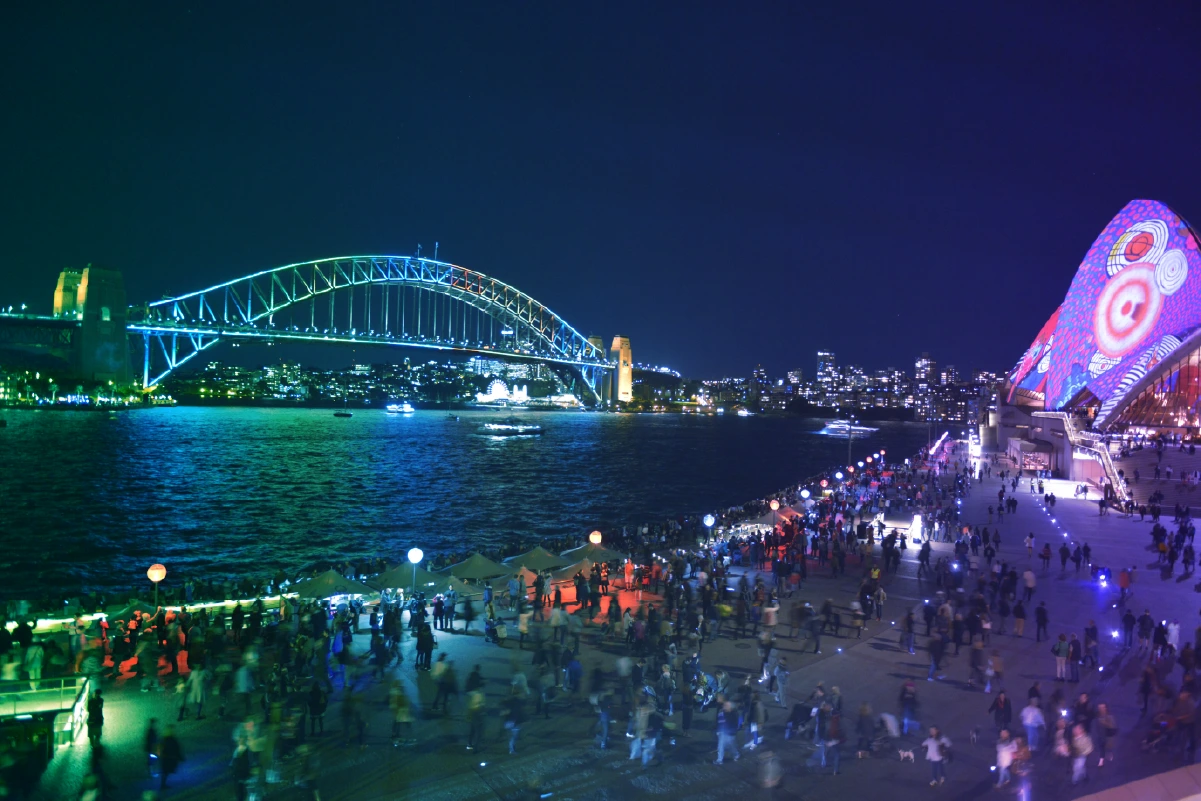
Australia has no single federal anti-scalping law. Regulation is a patchwork of state-based legislation and national consumer protection law, with the federal government actively consulting on broader reform through 2025 and 2026.
National Framework
1. Australian Consumer Law (ACL), Schedule 2 of the Competition and Consumer Act 2010 – The Australian Consumer Law applies nationwide and prohibits misleading or deceptive conduct, false representations, and unfair pricing practices by any business selling tickets. Ticket sellers must display pricing clearly. The ACL does not set resale price caps, but it provides a foundation for enforcement action against deceptive practices in both primary and secondary markets. The Australian Competition and Consumer Commission (ACCC) enforces the ACL.
2. Competition and Consumer Amendment (Unfair Trading Practices) Act 2026, Passed July 2, 2026, Takes Effect July 1, 2027 – Passed by Federal Parliament after consultation in 2024 and 2025, the Act adds three new protections to the Australian Consumer Law: a general prohibition on unfair trading practices that manipulate consumers or unreasonably distort their decisions, new disclosure rules targeting drip pricing, and protections against subscription traps. Live ticketing was a core focus of the consultation period, with submissions from Live Performance Australia and the Australian Live Music Business Council. Penalties fall under the existing Australian Consumer Law regime, with fines of up to A$100 million.
State Regulations
1. New South Wales, Ticket Scalping Act 2021 – NSW has one of the most comprehensive state anti-scalping frameworks in Australia. Tickets may be resold, but the advertised price cannot exceed 110% of the original face value (inclusive of all fees). Penalties for corporate violations reach A$110,000; for individuals, A$22,000. Sellers must disclose the original supply cost, the resale price, and the difference between the two. An "event" no longer needs to be formally declared as a "major event" to trigger protections; standard events are covered.
2. Victoria, Major Events (Crowd Management) Act 2003 (Scalping Provisions) – In Victoria, reselling or advertising tickets to a declared major event above 110% of face value is an offence. Penalties range from A$806 for an individual up to A$483,500 for corporations. The "major event" designation is made by the relevant minister and has been applied to major sporting events, music festivals, and international touring productions.
3. South Australia, Prices Act (Ticket Scalping Provisions), amended 2021 – South Australia updated its scalping laws in 2021 to remove the requirement for an event to be formally declared a "major event" before anti-scalping protections apply. The 10% resale cap now covers a broad range of public events. The amendments also strengthened disclosure requirements for resellers.
4. Queensland, Western Australia, Australian Capital Territory – All three jurisdictions have laws restricting resale to 110% of face value for covered events, though the specific triggers (major event declarations, event thresholds) and penalty levels vary. The Northern Territory and Tasmania currently have no specific ticket scalping legislation.
New Zealand (Regional Note)
New Zealand has no general law against reselling tickets above face value; resale is legal by default except where an event is specifically covered by the Major Events Management Act 2007 (used for events like the Rugby World Cup 2011 and the 2017 Lions Tour). Outside that narrow category, sellers are still bound by the Fair Trading Act, which prohibits misleading conduct, such as a resale site claiming to be an official ticket seller or hiding transaction fees until checkout, but does not restrict pricing itself. The government has signaled plans to ban resale bots and introduce a price cap, but as of mid-2026 no bill has been enacted, leaving New Zealand in a similar position to Australia's Northern Territory and Tasmania.
Australia Ticketing Policy Updates & News
1. Taylor Swift "Eras Tour" as a Policy Catalyst (2024) – Australia's ticketing debate intensified significantly around the Taylor Swift Eras Tour in February 2024. The extreme secondary market premiums on Australian tickets drew significant media and political attention, leading to parliamentary inquiries and accelerating the federal government's unfair trading practices consultation timeline. Legal analysis at the time highlighted that existing state laws applied unevenly and that national reform was overdue.
Asia Event & Ticketing Regulations
Asia is a highly varied region for ticketing regulation. Japan and South Korea have enacted some of the strictest anti-scalping legislation in the world, while China is addressing the issue through enforcement campaigns and platform-level controls. India is navigating a legal gap between general consumer protection law and the absence of specific ticketing statutes.
Japan, Act on Ensuring the Proper Distribution of Show and Event Tickets (Ticket Resale Prohibition Act), Enacted December 2018, In Force June 2019 – Japan's Ticket Resale Prohibition Act prohibits the resale of tickets at above face value without the express consent of the event organizer or original seller, and prohibits purchasing tickets specifically for the purpose of unauthorized resale. Violations carry penalties of up to one year's imprisonment or a fine of up to ¥1 million (approximately $6,700 USD).
In practice, high-demand concerts now commonly require mandatory ID verification at entry, where the name printed on the ticket must match a photo ID, making it substantially harder to profit from resale. The law was driven largely by problems in the J-pop and classical music industries, where scalping had reached extreme levels.
South Korea, Performance Act, Copyright Act, and National Sports Promotion Act, Amendments Passed January 29, 2026 – South Korea's National Assembly passed sweeping amendments to three laws on January 29, 2026. On ticketing specifically, the amendments to the Performance Act and National Sports Promotion Act ban all forms of ticket scalping, closing the earlier loophole that only penalized scalping carried out with automated "macro" software. Scalpers now face fines of up to 50 times the resale price, along with mandatory forfeiture of profits. Ticketing platforms are legally obligated to take active measures to prevent scalping.
Note: the seven-year prison term and ₩100 million fine reported alongside this law apply to the Copyright Act's piracy provisions, not to ticket scalping itself. The ticketing provisions took effect August 28, 2026, after the Cabinet approved the enforcement decrees on August 18. Resellers now face administrative penalties of up to 50 times their sales, and people who report scalpers can receive up to 50% of the fine imposed. Movie tickets and meet-and-greet events are not covered, though the government has said it will pursue separate legislation for movie ticket scalping.
The earlier April 2024 law that prohibited only the use of "macro tools" (bots) for ticket purchasing was seen as insufficient, as scalpers simply shifted to manual coordination through private social media groups. The 2026 amendments close most of those loopholes. Police cracked down on a K-pop scalping ring in March 2026 that had generated approximately ₩7.1 billion (about $5.4 million USD) in illegal profits using automated programs.
China, Ministry of Public Security Anti-Scalping Campaign, Launched October 2024 – China's Ministry of Public Security launched a year-long national enforcement campaign targeting ticket scalping across music, sports, and cultural events. The campaign directed police nationwide to investigate criminal scalping rings, prosecute those using automated purchasing software, disrupt collusion between scalpers and venue insiders, and enhance real-name registration enforcement. China's real-name verification system, in place since before 2024, requires ticket purchasers to be the same person as the event attendee, enforced via ID checks at entry. Ticketing platforms Damai and Maoyan have integrated blockchain-based ticket verification to reduce fraud.
India, Consumer Protection Act, 2019 and E-Commerce Rules, 2024 – India does not have a dedicated national ticketing or anti-scalping law. The Consumer Protection Act, 2019 and its 2024 e-commerce rules prohibit unfair trade practices and deceptive marketing broadly, but do not specifically address ticket scalping or resale above face value. Some states have their own public entertainment acts with resale provisions.
In January 2025, the Bombay High Court dismissed a PIL seeking specific anti-scalping guidelines, ruling that the matter was one for the legislature rather than the courts. Maharashtra's Cyber Department introduced new ticketing guidelines in December 2024 requiring name-based ticketing and government ID verification for high-demand events, a measure accelerated following the Coldplay Mumbai controversy, where tickets priced at ₹2,500 to ₹12,000 reappeared on secondary platforms at markups as high as ₹900,000 (approximately $10,700 USD).
Singapore – Singapore's Consumer Protection (Fair Trading) Act 2003, administered by the Competition and Consumer Commission of Singapore, prohibits unfair practices in consumer transactions, including misrepresentation of ticket availability, price, or authenticity. There is no dedicated secondary ticketing law, but general fair trading protections apply. Singapore has a well-developed live events market, and ticketing platforms such as SISTIC operate under the broader regulatory framework.
Philippines, Anti-Ticket Scalping Bills, Pending – The Philippines has no national law specifically penalizing ticket scalping, and existing local rules cover only certain cities such as Pasay and Quezon City. Several Anti-Ticket Scalping Act bills have been filed in the Senate and House, including one that would ban resale at more than 10% above the original price. In June 2026, ahead of BTS's Manila concert, senators renewed the push for Senate Bill No. 1989, which would impose penalties escalating from P100,000 or six months' imprisonment for a first offense to P500,000 or three years for a third. As of September 2026, none has been enacted.
Middle East Event & Ticketing Regulations
The Middle East is the fastest-growing live events market with the thinnest ticketing-specific regulation, making it a notable gap in most global compliance discussions. Growth here is running well ahead of dedicated consumer protection for ticket buyers.

Saudi Arabia, General Entertainment Authority (GEA) Licensing Framework – Saudi Arabia does not have a dedicated ticketing or anti-scalping statute. Instead, the market is governed through the General Entertainment Authority, established in 2016 under Vision 2030, which licenses event organizers, promoters, and (for major properties like Riyadh Season) designates an exclusive official ticketing partner. The scale of growth has been rapid: the sector attracted more than 89 million visitors in 2025 across 1,690 licensed events, with 6,490 licences issued to 6,778 companies. That licensing regime governs who can put on an event and sell tickets in the first place, but it does not address resale pricing, bot purchasing, or fee transparency the way US, EU, or Australian frameworks do. For international platforms entering the market, GEA licensing (and, for major events, exclusivity arrangements with a designated ticketing partner) is the compliance hurdle, not consumer-facing resale law.
United Arab Emirates, Federal Law No. 15 of 2020 on Consumer Protection – The UAE's primary consumer protection statute, updated by Cabinet Decision No. 66 of 2023 (effective October 2023), covers pricing accuracy, misleading advertising, and the resale of returned or defective goods, but contains no provision specific to event ticket resale, bot purchasing, or price transparency at checkout. As in Saudi Arabia, event ticketing sits under general commercial licensing rules (administered locally, e.g., by Dubai's Department of Economy and Tourism) rather than a dedicated ticketing law.
For organizers and platforms, the practical takeaway across the Gulf region is that market-entry compliance (event licensing, official-partner exclusivity) currently matters far more than resale or transparency compliance, a contrast worth watching as ticket volumes and international touring activity continue to grow.
Africa Event & Ticketing Regulations
Africa's regulatory environment for live events is still developing in most markets. Consumer protection laws exist across the continent, but dedicated ticketing legislation is rare.

South Africa, Consumer Protection Act No. 68 of 2008 (in force April 2011).
South Africa's Consumer Protection Act is the primary legal framework governing ticket sales. Section 29 prohibits misleading, fraudulent, or deceptive marketing, which can cover secondary sellers who fail to disclose that they are not the original seller or who misrepresent the ticket price or its face value. Section 41 further prohibits false representations about the seller's status, affiliation, or authorization by the event organizer. Consumers have the right to cancel ticket purchases prior to the event and receive a refund.
Ticket touting (street scalping) is not explicitly prohibited by statute in South Africa, though it is routinely banned in the terms and conditions of primary sellers like Computicket. Enforcement against online secondary selling has been limited.
Nigeria, Federal Competition and Consumer Protection Act (FCCPA), 2018 – Nigeria's FCCPA established the Federal Competition and Consumer Protection Commission (FCCPC), which is the primary consumer law applicable to ticket sales. It grants consumers the right to cancel advance bookings, prohibits false and misleading representations, and gives the FCCPC broad enforcement powers. There are no specific provisions addressing ticket scalping or resale pricing. The law applies to all businesses selling tickets to consumers in Nigeria.
Other African Markets – Most other African countries handle event ticketing under general consumer protection or commercial law frameworks. Kenya's Consumer Protection Act 2012, Egypt's Consumer Protection Law 67/2006, and Ghana's Fair Trading Commission Act provide baseline consumer protections that cover ticket sales. Dedicated secondary ticketing regulation does not exist in most African markets as of 2026.
Mexico, Central & South American Event & Ticketing Regulations
Ticket regulation in Latin America is primarily governed by general consumer protection frameworks rather than industry-specific laws. Most national legislation has not yet been updated to address the specifics of online ticket scalping, resale platforms, or drip pricing.

Mexico, Federal Consumer Protection Law (Ley Federal de Protección al Consumidor, LFPC), originally enacted in 1975, with the last major reform in 2018 – Mexico's LFPC is the primary consumer protection statute and is enforced by Profeco (the Federal Consumer Protection Agency). It guarantees consumers the right to accurate, verifiable, and complete pricing information and requires suppliers to honor the terms and conditions under which goods and services were offered. Profeco has long taken action against event organizers and ticket resellers for deceptive pricing, and in 2026 it issued Mexico's first dedicated ticketing rules.
Mexico City has its own public spectacles law (Ley de Espectáculos Públicos del Distrito Federal) that sets rules around venue safety, licensing, and ticket sales at authorized prices. Scalping of certain major events is prohibited under this law at the local level.
Mexico, Profeco Ticketing Guidelines for Mass Events, Published February 19, 2026 – After ticket sales for BTS's 2026 Mexico City concerts drew widespread fan complaints, Profeco published guidelines in the Diario Oficial de la Federación governing ticket sales for events with more than 20,000 attendees. Promoters must disclose prices, fees, and seating maps with clearly labeled sections at least 24 hours before tickets go on sale, and ticketing platforms must implement measures to block bots and prevent counterfeit or duplicate tickets. The guidelines also prohibit dynamic pricing and the mandatory preselection of add-on services such as VIP packages. Violations can be sanctioned under the Federal Consumer Protection Law. Profeco also opened an infringement proceeding against Ticketmaster over the BTS sale, with a potential fine above 5 million pesos, and formally notified resale platforms StubHub and Viagogo that they must comply with Mexican law.
Brazil, Consumer Defense Code (Código de Defesa do Consumidor, CDC), Federal Law 8078/1990 – Brazil's CDC is one of the most comprehensive consumer protection frameworks in Latin America and applies to all commercial ticket sales. It prohibits misleading advertising, requires clear price disclosure, guarantees the right to product/service quality as advertised, and provides for consumer redress. The CDC's broad prohibition on abusive pricing practices can apply to secondary ticket resale in certain contexts. Brazil also has a Sports Law (Lei Pelé, Law 9,615/1998 and subsequent updates) that includes provisions about ticket sales for sporting events, requiring transparency in pricing and seat allocation.
Brazil, "Taylor Swift Law" Decrees, Signed August 31, 2026 – President Luiz Inácio Lula da Silva signed two federal decrees, popularly called the "Taylor Swift Law," nearly three years after 23-year-old fan Ana Clara Benevides Machado died of heat exhaustion at an Eras Tour concert in Rio de Janeiro in November 2023. The first targets digital scalping: official ticket platforms and sellers must adopt technological safeguards against mass purchases through bots, scripts, and other automated systems, display the full price including all fees from the start of the purchase, and allow ticket holders to transfer tickets to another person free of charge. The second requires events with more than 1,000 attendees to provide free drinking water and allow guests to bring their own containers.
The decrees do not criminalize resale above face value. A separate bill that would make scalping a crime against the popular economy, with penalties of one to three years' imprisonment and fines of up to 100 times the ticket value, passed Brazil's Chamber of Deputies in April 2024 but still awaits a Senate vote.
Argentina – Argentina's Law 24,240 on Consumer Protection (enacted 1993, with major 2008 amendments) establishes broad consumer rights including protection against misleading advertising and abusive pricing. Argentina has seen increasing government interest in ticket market regulation, particularly around major football matches and international concerts, but no specific scalping legislation has been enacted nationally.
Colombia – Colombia's Consumer Statute (Law 1480 of 2011) provides a framework similar to Brazil and Mexico. The Superintendencia de Industria y Comercio (SIC), Colombia's consumer protection agency, has the authority to investigate and sanction deceptive ticket-selling practices. Specific secondary ticketing regulations are absent.
Chile, Peru, and Other Latin American Markets – Most other markets in the region rely on general consumer protection law. Chile's Law 19,496 on Consumer Protection, Peru's Consumer Protection Code (Legislative Decree 1045), and similar laws in Uruguay and Ecuador provide baseline protections against deceptive pricing in ticket sales, but secondary market regulation and anti-bot provisions are largely absent from the regional regulatory landscape.
Conclusion
No two markets covered in this guide regulate ticketing the same way, but a few patterns cut across all of them. Price transparency is the closest thing to a global consensus: the US Junk Fees Rule, Canada's Bill C-59, the EU's DSA and Consumer Rights Directive, and the UK's DMCC Act all converge on the same basic requirement: that the full price appear before checkout, even where they differ on enforcement mechanisms and penalty.
Resale price caps are the second axis of convergence, though the specific number varies widely, from an effective zero-premium standard in Ireland, Japan, and (soon) Ontario, to 110% caps across several US states and Australian jurisdictions, to no cap at all in Texas, Florida, and (for now) the UK.
The newer and less settled fight is over dynamic pricing. The Oasis backlash in the UK, the Eras Tour fallout in Australia, and the ongoing multistate investigation into FIFA's World Cup pricing all point to the same underlying tension: real-time, demand-based pricing is legal almost everywhere, but regulators are increasingly treating a lack of upfront disclosure about it as a separate, sanctionable harm in its own right.
Expect this to be the next major front, distinct from the resale-cap and junk-fee fights that dominated 2024 and 2025.
For organizers, ticketing platforms, and venues operating across borders, the practical implication is that compliance can't be handled with a single global policy.
A platform operating in the US, EU, and Gulf region simultaneously is managing three fundamentally different regulatory postures: aggressive, fragmented enforcement in the US; harmonized, EU-wide transparency mandates layered under country-specific resale rules in Europe; and, in fast-growing markets like Saudi Arabia and the UAE, licensing and market-access rules with little to no ticket-specific consumer protection at all.
Tracking that patchwork, rather than assuming any one country's rules as a default, is what separates platforms that scale internationally without incident from those that end up as the next enforcement headline.