
Must-Have Event Ticketing Platform Features in 2026
These are the technologies separating market leaders from everyone else in an industry where customer expectations are rapidly evolving.

The event ticketing industry has evolved from a race to digitize paper tickets into a technology battleground where platforms compete on experience, security, and innovation.
The companies winning in 2026 aren't just selling tickets. They are building ecosystems that connect fans to experiences before, during, and after events.

The features explored in this article represent the difference between surviving and leading in an industry where customer expectations change faster than technology roadmaps.
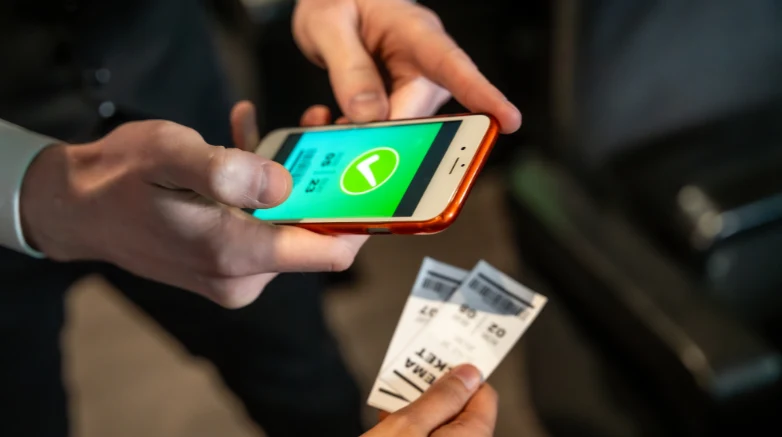
Ticketing Market Overview
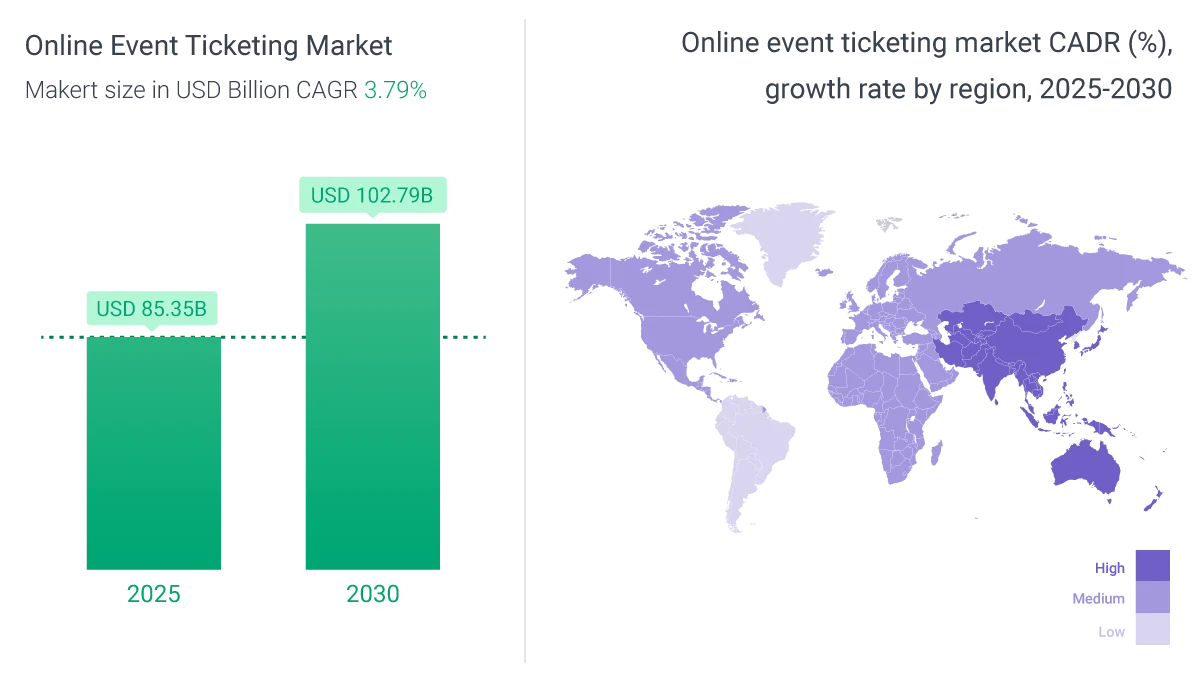
The global online event ticketing market reached $85.35 billion in 2025 and is projected to hit $102.79 billion by 2030, advancing at a 3.79% CAGR, driven by 5G expansion, digital wallet adoption, and social media discovery.
But market size alone doesn't capture what's actually changing. Platforms that once competed on basic functionality now differentiate through AI-powered fraud detection, identity-linked ticketing, and predictive analytics that optimize pricing in real-time.
The question facing ticketing providers in 2026 isn't whether to innovate but which innovations will define the next decade of growth.
Key Market Drivers
Several forces are pushing the ticketing industry toward more sophisticated feature sets:
Mobile-First Expectations: Mobile isn't just preferred anymore. It's the default. Over 58% of ticketing transactions now happen on mobile devices, and platforms without frictionless mobile experiences lose sales at checkout. Anything requiring desktop access or multiple steps gets abandoned.
Last-Minute Purchasing Behavior: The traditional purchase timeline has collapsed. Events that once sold steadily over weeks now see the majority of sales concentrated in the final days before the event. Nearly half of all ticket sales happen in the week of the show, forcing platforms to rethink forecasting, pricing, and inventory management.
Sophisticated Fraud Threats: What began as individual scalpers using bots has become organized crime using AI-generated synthetic identities and stolen payment credentials at scale. Around the world, fans are losing millions of dollars to ticketing scams. Platforms need advanced fraud detection that works in real-time without creating friction for legitimate buyers.
Gen Z and Millennial Dominance: Younger demographics are reshaping ticketing behavior. Gen Z and millennials discover events through social media rather than search engines, expect transparent all-in pricing upfront, and abandon purchases when fees aren't disclosed clearly. 68% of Gen Z prefer spending money on live events over material goods, making them critical for platforms to capture and retain.
Regulatory Pressure: Regulators worldwide are demanding transparency. In the US, the TICKET Act, FTC's Junk Fees Rule, and DOJ inquiries into anticompetitive practices are forcing pricing clarity. The European Commission launched investigations into dynamic pricing practices, while industry groups are urging bans under the proposed Digital Fairness Act. Platforms that proactively address pricing transparency, accessibility, and fair distribution will be better positioned when new regulations arrive than those waiting to be forced into compliance.
Baseline Features for Ticketing Platforms
Based on current industry trends and developments, here are the foundational capabilities that define modern ticketing platforms in 2026.
Beyond simple event creation and management tools, the features below aren't nice-to-have; they're the price of entry for competing in today's market.
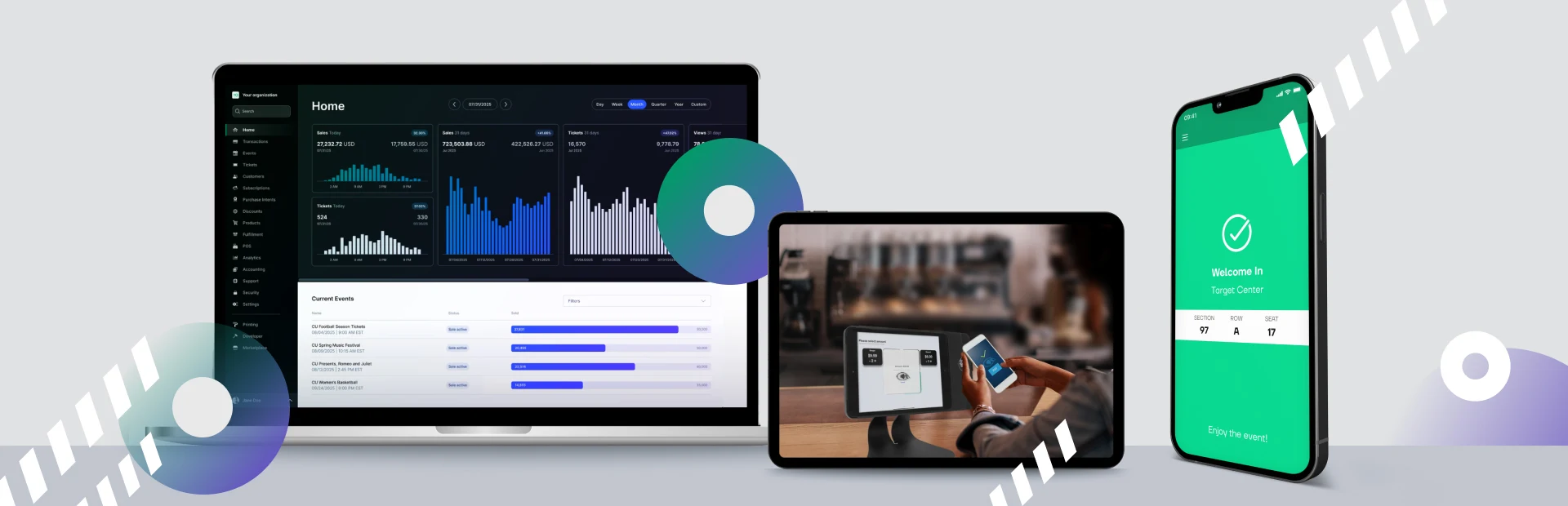
1. Mobile Ticketing & Digital Wallet Integration
Mobile ticketing has moved from emerging technology to baseline expectation. Tickets stored in Apple Wallet and Google Pay aren't just convenient. They eliminate the need for printed tickets, reduce entry times, and ensure attendees always have access even if they lose their phone or switch devices.
The technology has matured significantly. Attendees no longer need to unlock their phones, find the app, navigate to the ticket, and enable NFC transfer. Modern implementations work like contactless payments: a simple tap to a reader. This seamless experience connects directly to the broader tap-to-pay revolution, where venues use standard devices rather than specialized proprietary hardware for ticket validation.
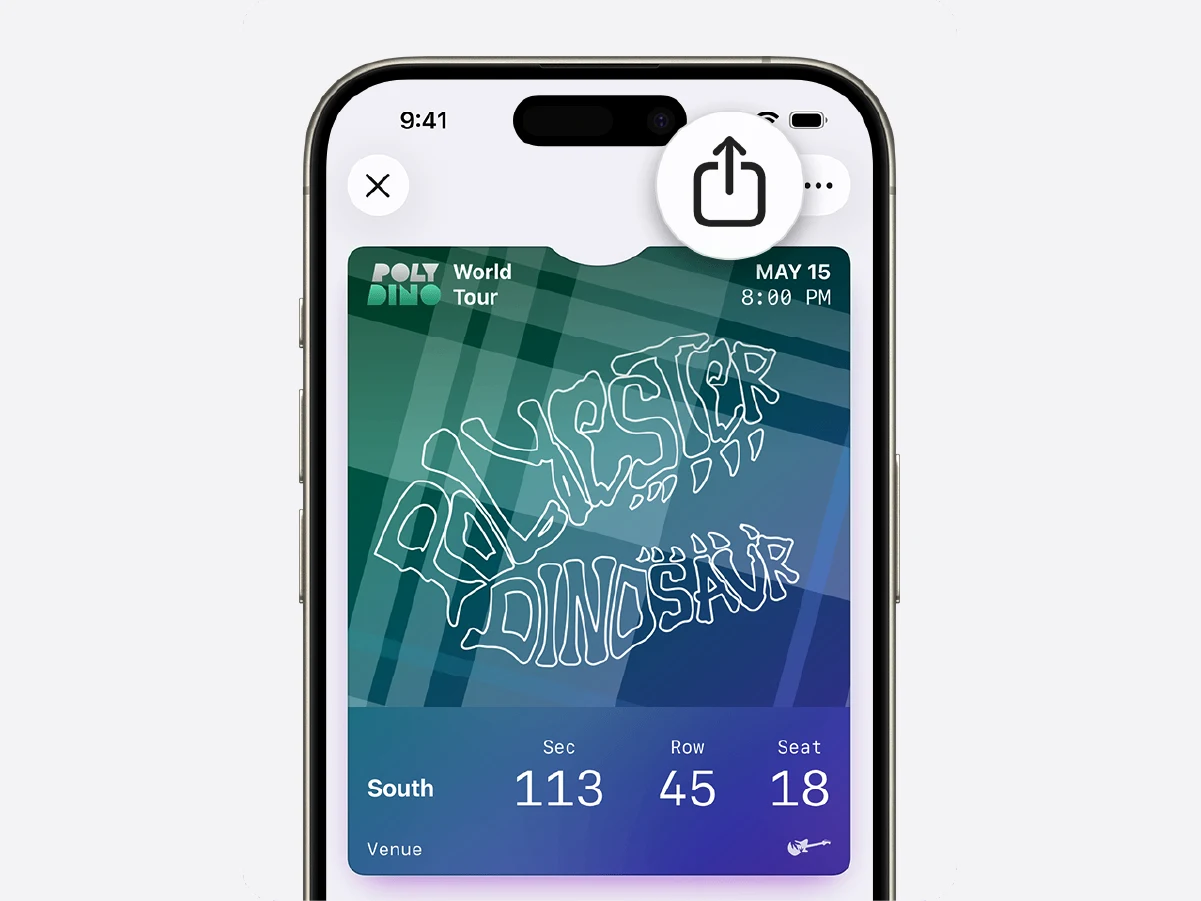
For platforms, digital wallet integration provides more than convenience. It enables real-time ticket updates, so any last-minute changes like seating adjustments or event cancellations are reflected instantly. It supports contactless access, which speeds up check-in times and enhances security. And it creates a persistent connection to attendees that extends beyond the event itself.
2. Interactive Venue Mapping & Reserved Seating
Reserved seating tools have become essential for maximizing revenue while improving the customer experience. Interactive seating charts allow attendees to view real-time seat availability, select specific seats, and understand the venue layout before purchasing.
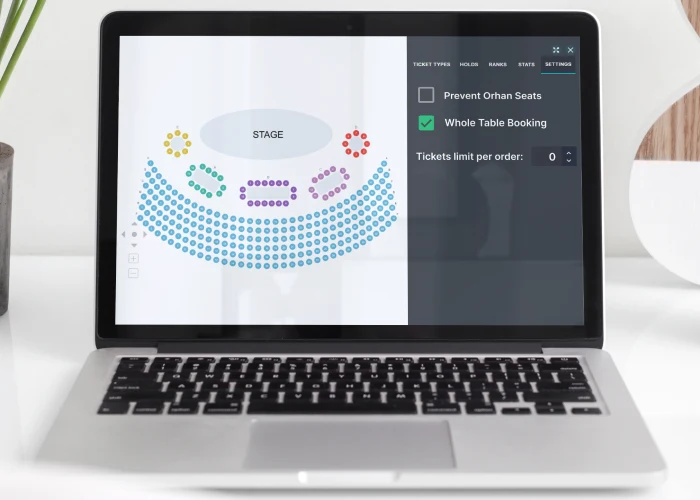
The most effective implementations go beyond basic seat selection. They include features like orphan seat prevention algorithms that automatically adjust seating availability during booking to ensure no single leftover seats remain, making the layout more sellable and efficient. Whole-table booking allows groups to reserve entire tables with a single click, perfect for events like banquets, weddings, and conferences. Season ticket packages simplify booking for recurring events like theater seasons or sports leagues while securing long-term revenue.

Softjourn's Venue Mapping Tool (VMT) exemplifies this approach. The white-label, customizable solution provides interactive seat selection, seamlessly integrates with existing ticketing platforms, and offers pricing flexibility for premium seating. For clients like Ticketbud, integrating VMT enabled customizable seating arrangements including whole-table booking and flexible configurations, attracting new clients and enriching the event experience while improving system scalability.
3. Secure Payment Processing & Multiple Payment Options
Payment processing remains one of the most critical yet underappreciated components of ticketing platforms. Customers expect multiple payment options including credit/debit cards, digital wallets, mobile payment solutions, and increasingly, Buy Now Pay Later (BNPL) options.
Behind the scenes, payment complexity creates significant friction. Merchant onboarding involves KYC verification, bank account validation, regional risk routing, payout timing controls, and cross-border support. Every platform claims it's solved, yet organizers consistently experience delays, mismatches, and unexplained banking errors.
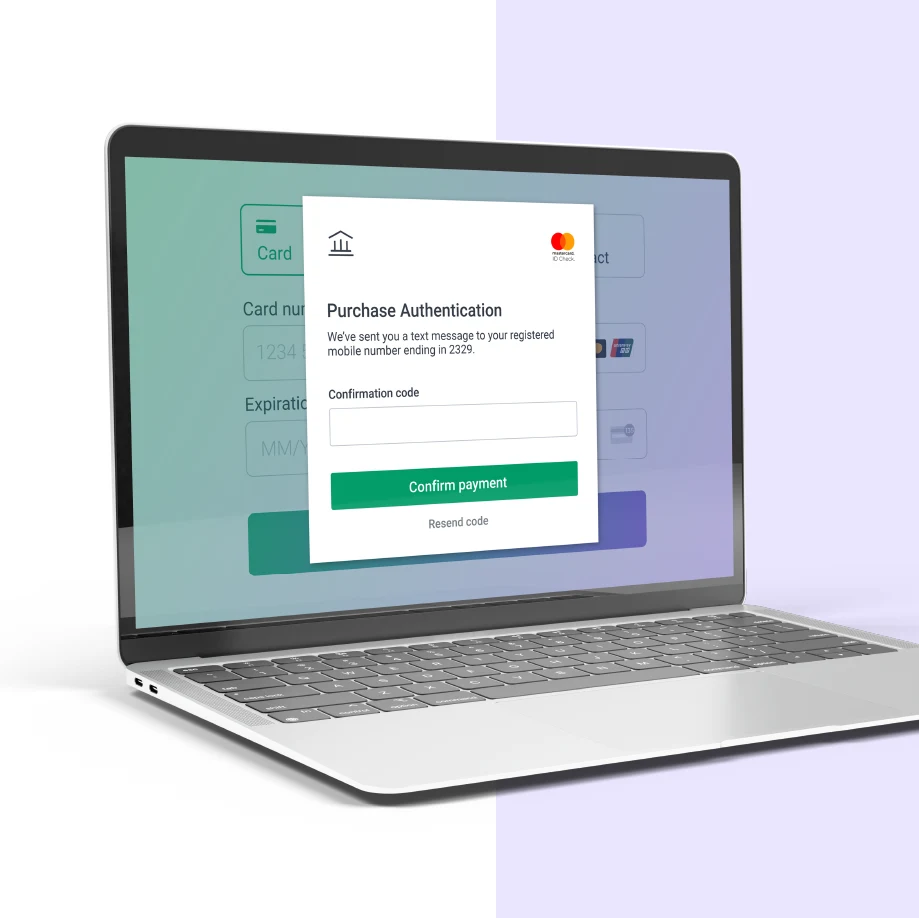
The solution requires investment in infrastructure most customers never see. This includes streamlined onboarding flows with clear guidance and automated verification, proactive communication with automated notifications explaining holds and processing timelines, flexible payout options so organizers can choose schedules matching their cash flow needs, and unified international support handling cross-border complexity invisibly.
Softjourn partnered with SecuTix to integrate 24 different payment gateways, enabling the platform to process events across multiple regions with varied payment preferences. This extensive integration work allowed SecuTix to scale operations globally while ensuring real-time payment processing and settlement across different currencies and regulatory environments.
4. Real-Time Inventory Management
Managing ticket inventory in real-time across multiple sales channels prevents overselling, ensures accurate availability displays, and enables dynamic pricing strategies. This becomes particularly critical during high-demand on-sales when thousands of users attempt to purchase limited inventory simultaneously.
Modern inventory systems handle not just availability tracking but also ticket holds during the purchase process, automated release of abandoned carts, synchronization across primary and secondary markets, and support for complex scenarios like partial refunds or exchanges.
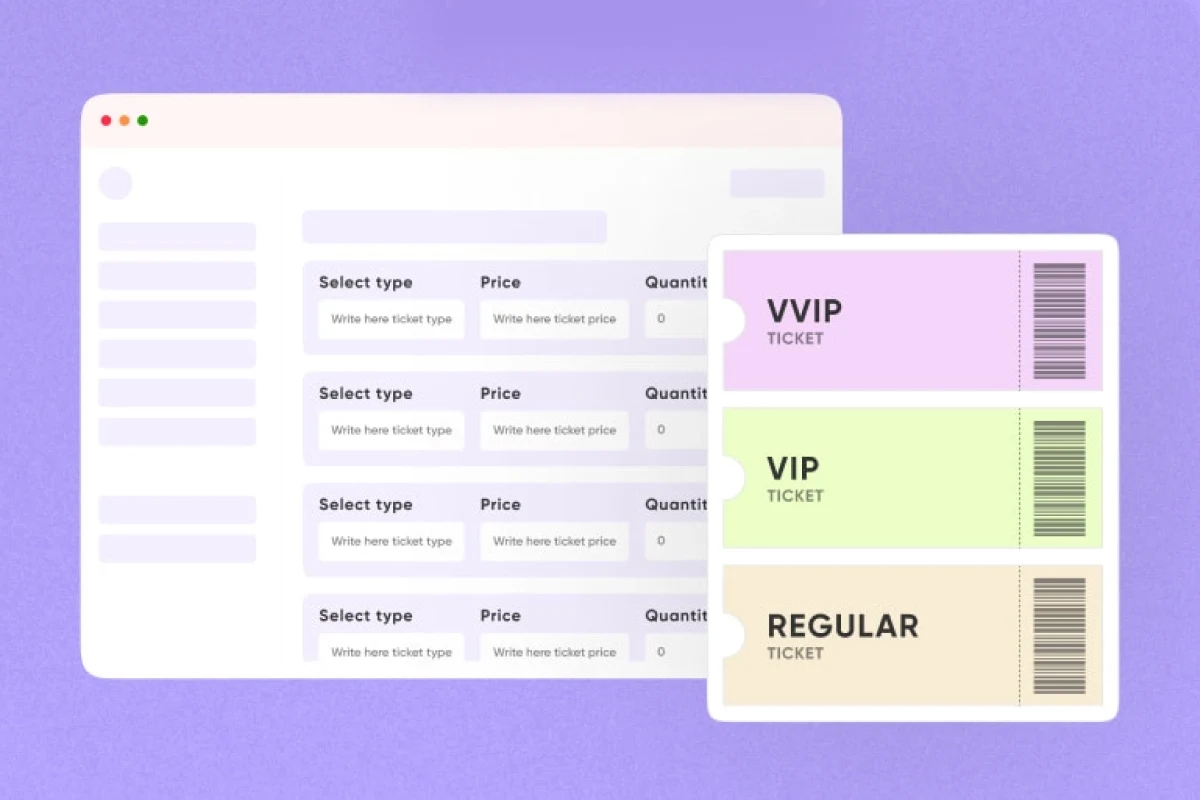
The infrastructure requirements are demanding. Systems must handle traffic spikes during major on-sales, maintain data consistency across distributed systems, provide sub-second response times for availability checks, and recover gracefully from failures without losing transaction data.
5. Access Control & Ticket Validation
Access control has moved far beyond simple barcode scanning. Modern systems support multiple validation methods including QR codes, NFC/RFID technology, biometric authentication, and camera-based scanning, often within the same event to accommodate different entry points and ticket types.
The most sophisticated implementations include offline mode so validation continues even when network connectivity fails, VIP recognition that identifies special guests at entry, double-scan prevention to stop ticket reuse, and detailed scan history for analytics and compliance.
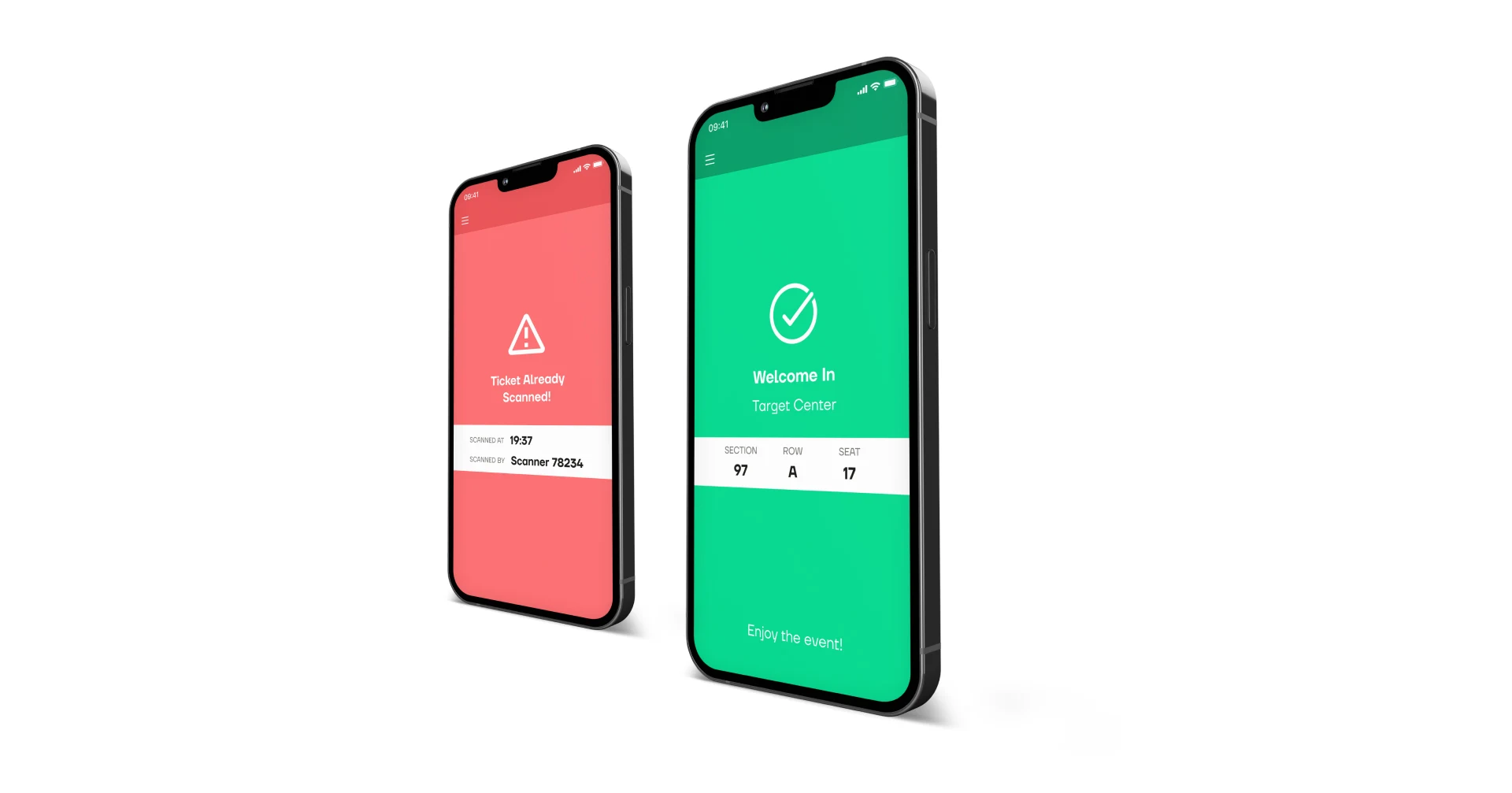
Softjourn's Access Control App boilerplate allows platforms to build custom mobile applications in weeks rather than months. For 123 Tix, Softjourn developed a React Native-based access control app with features like offline mode, double-scan prevention, and advanced search capabilities. The upgraded app now handles large-scale music festivals, improving both user experience and device flexibility across iOS and Android.
Advanced Features: What Sets Leaders Apart
The pillar features get you in the game. But what features separate market leaders from everyone else? These capabilities require deeper technical investment, more sophisticated data strategies, and often represent entirely new ways of thinking about what a ticketing platform can do.
1. AI-Powered Dynamic Pricing
Dynamic pricing has moved from controversial experiment to accepted practice. The secondary market effectively forced the issue - when scalpers consistently resell tickets at 2-3x face value, venues realized they were leaving substantial revenue on the table.
The key difference in 2026 is implementation. Starting prices high and dropping them when demand doesn't materialize damages event perception and forces last-minute discounting. Successful dynamic pricing starts at fair prices and follows demand upward, rewarding early buyers while creating buzz.

The technology enables automated pricing changes based on real-time demand forecasting, time until event, competitor pricing, and social media trends. But transparency remains critical. Dynamic pricing works when the rules are understood - early-bird incentives, loyalty pricing, engagement-based discounts. However, it can become a PR hazard when used as opportunistic surge pricing without clear communication.
2. Advanced Fraud Detection & Security
The ticketing industry faces increasingly sophisticated threats. What began as individual scalpers using bots has become organized criminal operations exploiting ticketing systems at scale. Recently, sophisticated bots are buying blocks of popular tickets using stolen payment credentials, then laundering them through legitimate resale channels.
Modern fraud prevention requires multiple layers. AI-powered detection analyzes transaction patterns in real-time, catching anomalies before scams escalate, while biometric verification links tickets to verified identities without creating friction.

Softjourn enhanced payment security for Project Admission by migrating from Stripe Charge API to Payment Intents with 3D Secure authentication. This strengthened protection against chargebacks and fraudulent transactions while maintaining a frictionless checkout experience.
The winning approach stops organized fraud operations while keeping the experience smooth for legitimate customers. Overly aggressive prevention drives away real buyers, while insufficient security leaves platforms vulnerable.
3. Personalization & AI-Powered Discovery
Generic event feeds don't work anymore. Users want platforms to surface relevant events without manual searching through categories and filters.
Traditional keyword search doesn't match how people think about events. Someone looking for "a fun date night activity this weekend under $100" doesn't want to navigate through multiple category filters, date selectors, and price ranges just to see what's available.
Approximately 9 out of 10 consumers are more likely to shop with brands that supply relevant offers and recommendations. Platforms that deliver personalized experiences at scale capture higher conversion rates and stronger customer loyalty.
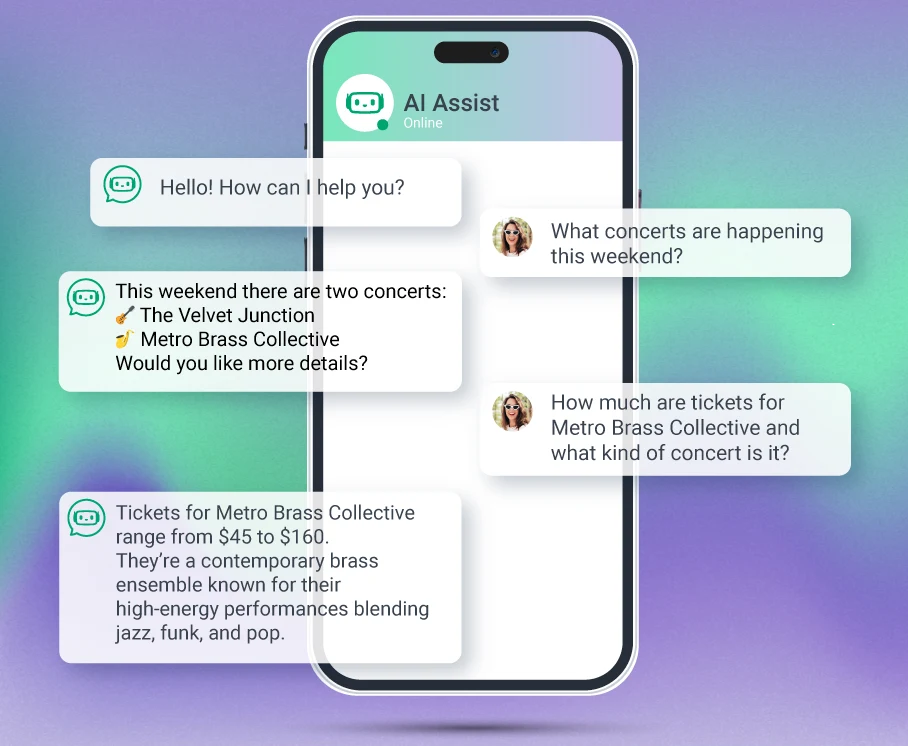
Softjourn's AI-powered event discovery chatbot solves this. Customers can ask natural language questions like "What are family-friendly events happening Saturday?" or "Show me live music under $50 near me." The assistant instantly processes the event database, cross-references genre, price, date, and location, and delivers personalized recommendations.
The value extends beyond customer experience. Platforms use the chatbot to promote underperforming events, suggest upsells like VIP tickets or merchandise, and generate insights on search trends.
4. Predictive Analytics & Customer Intelligence
Selling a ticket doesn't end with purchase. Understanding where patrons are in their journey, predicting no-show trends, and forecasting which events will hit capacity enables smarter operational decisions.
Basic reporting - sales dashboards, attendance tracking, revenue breakdowns - is expected. Advanced predictive capabilities separate sophisticated platforms from basic ones.
Machine learning models analyze historical data to predict demand for shows and artists in different markets. Real-time inputs like video views, search trends, streaming activity, and social media engagement, combined with past purchase history, impact optimal venue capacity and pricing models for yet-to-be-announced shows.

Customer data becomes more valuable when platforms track preferences across multiple events. CRM integration allows audience segmentation, automated communication workflows, and understanding lifetime value rather than treating each transaction in isolation.
The Golden State Warriors use over 30 sources of fan-facing data and more than 100 million data points to create tailored digital journeys. Their app delivers personalized experiences based on favorite players, preferred food vendors, and past behavior - ensuring each fan's visit feels customized.
Predictive analytics translates directly to reduced support costs, faster resolution times, better inventory allocation, and higher conversion rates on targeted promotions.
5. Social Features & Group Booking
Gen Z discovers events differently than previous generations as 49% find events through social media compared to just 16% through traditional search engines. Among this demographic, 52% have purchased tickets directly through TikTok, and 54% report that FOMO significantly influences their decision to attend.
Additionally, group purchasing has exploded while decision timelines have collapsed. Corporate teams that once registered individuals over several weeks now buy 8-12 tickets in a single transaction within 48 hours of finding the event.
Effective social features include seamless group coordination that makes buying together easy, shareable content encouraging pre-event and post-event distribution, social proof showing who else is attending, and referral programs rewarding users for bringing friends.
Platforms treating events as social experiences rather than individual purchases capture loyalty that transcends single transactions. Build for these patterns now, or watch competitors capture the next generation of buyers.
6. Identity-Linked Ticketing & Persistent Profiles
The most fundamental shift in ticketing isn't about how people buy tickets. It's about what a ticket actually is.
For decades, tickets have been static - a barcode granting one-time access to one event. In 2026, industry leaders are reimagining tickets as dynamic objects that exist as part of a persistent customer identity across multiple events, venues, and experiences.
This creates programmable access where tickets function with rights that change in real-time based on preset conditions. Seat upgrades based on demand and loyalty points, time-boxed food and beverage credits, automatic resale if you don't scan in by a certain time - all become possible when tickets are programmable rather than static.
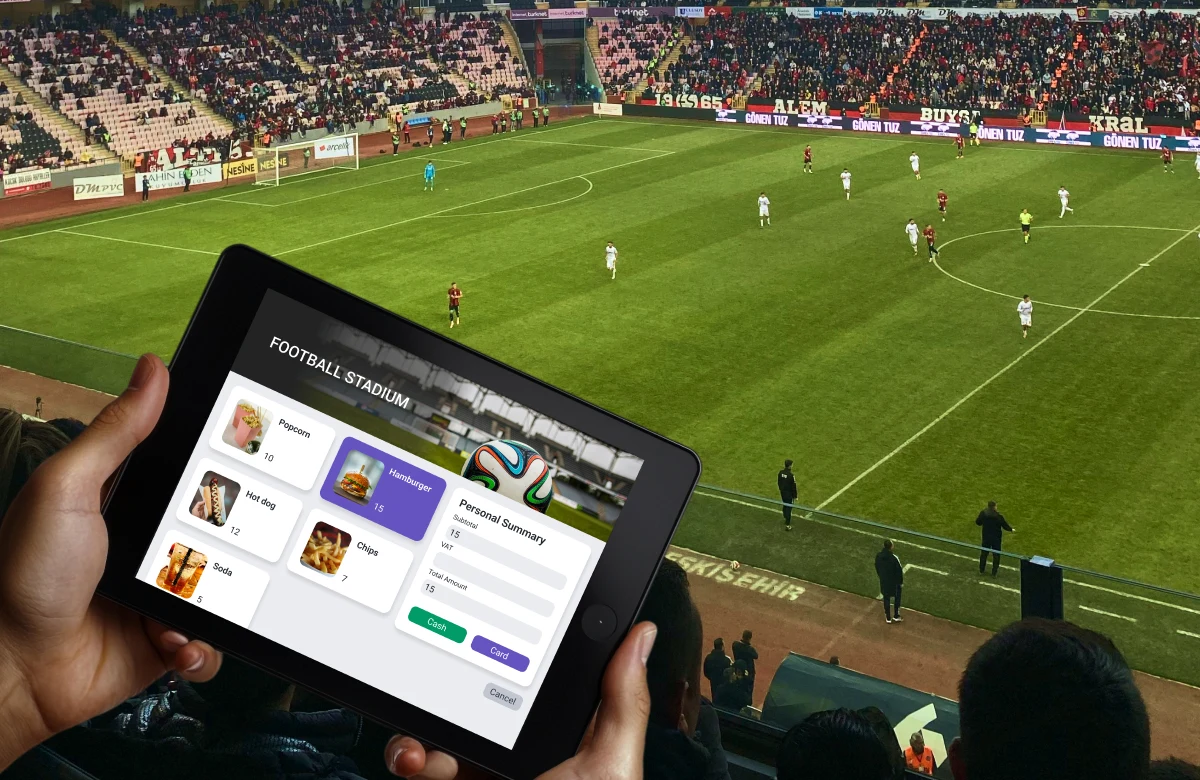
Identity-linked ticketing maintains verified connections between tickets and attendees throughout the entire lifecycle, including resale and transfer. For secondary marketplaces, this means better fraud mitigation through secure handovers and richer data enabling targeted communications before, during, and after events.
7. Cross-Selling & Revenue Optimization
The ticket is increasingly the entry point rather than the primary product. Platforms that treat ticketing as a simple commodity transaction leave significant revenue on the table.
Integrating merchandise, VIP experiences, parking passes, and food and beverage credits directly into the purchase flow transforms ticketing into a retail experience. The consumer gets an all-in-one package. The organization boosts revenue per transaction.
Third-party add-ons are expanding rapidly. Weather guarantee products protect against cancellations. Refund protection gives buyers peace of mind. Hotel and accommodation bundles create complete experience packages. Organizers dealing with thin margins use these products to capture additional revenue without raising ticket prices.
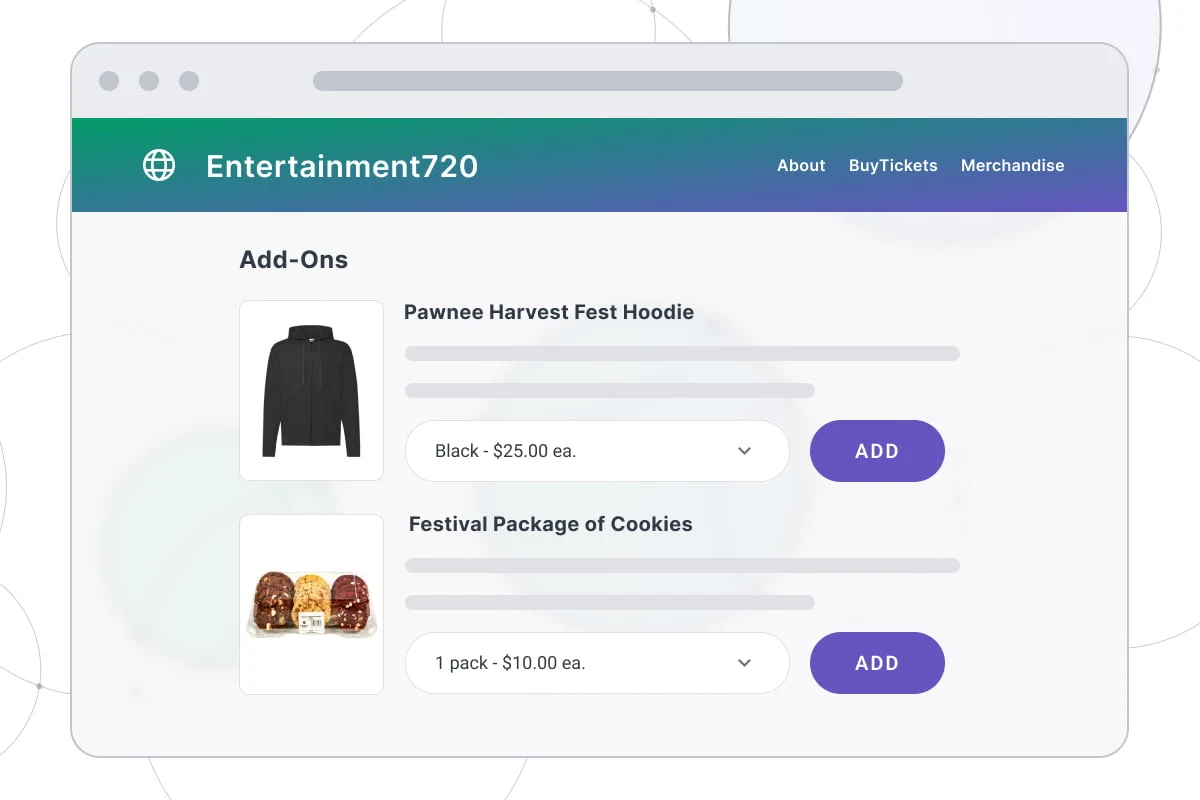
Successful cross-selling relies on relevance. Offering premium seat upgrades to customers already buying mid-tier tickets works. Suggesting parking passes for venues without public transit makes sense. Generic upsells that ignore purchase context get ignored. Platforms like SimpleTix estimate that strategic upsells can increase revenue by up to 30%.
8. Secondary Market & Resale Integration
The illegal resale market is valued at €2.5 billion in Europe alone, part of a worldwide problem sparking regulatory calls across markets. Instead of fighting the secondary market, leading platforms are building resale functionality directly into their systems.
Primary ticketing companies are launching integrated official resale marketplaces. This maintains visibility into ticket movements and preserves customer relationships throughout the ticket's lifecycle.
Open distribution creates additional benefits. Tickets sell more quickly. Partnerships with organizers and venues create shared revenue streams. Dynamic pricing adjusts based on market demand. Secure ticketing technologies and blockchain systems reduce fraud.

Regulatory scrutiny is intensifying globally. The DOJ and FTC in the US are investigating anticompetitive practices, while the European Commission examines dynamic pricing and resale market controls. Platforms that proactively embrace transparent practices will be better positioned when new regulations arrive than those waiting to be forced into compliance.
9. Flexible Payment Options & BNPL
Payment flexibility has become a competitive differentiator, especially with younger demographics. Gen Z and millennials expect installment plans that spread costs over time.
Buy Now Pay Later removes sticker shock. A $500 concert ticket feels more accessible when split into four $125 payments. Premium experiences that seem out of reach become attainable with flexible payment terms.

For ticketing platforms, BNPL integration reduces cart abandonment for high-value purchases, increases average order value as customers buy better seats, expands addressable market to price-sensitive buyers, and builds loyalty through payment convenience.
Implementation requires partnerships with BNPL providers like Klarna, Affirm, or Afterpay, seamless checkout integration, clear communication about payment terms, and risk management to handle defaults without impacting cash flow.
As the experience economy grows and ticket prices rise, payment flexibility shifts from nice-to-have to expected.
What Comes Next
The question facing ticketing platforms in 2026 isn't whether consolidation is coming but which companies will emerge as leaders when it arrives.
Looking across every innovation discussed - from AI-powered fraud detection to identity-linked ticketing, from dynamic pricing to strong access control - a clear pattern emerges. The winners aren't just building better ticketing systems – they're building financial and experiential ecosystems that make traditional ticketing feel transactional and outdated.

When it comes to what features may be considered essential in the future? We predict:
- Biometric access control will continue maturing beyond VIP experiences into general admission.
- Super-app expansion will blur the lines between ticketing, hospitality, transportation, and telecommunications.
- Voice and conversational interfaces will replace form-based search as the primary discovery mechanism.
Ticketing in 2026 will bear little resemblance to ticketing in 2020. The change isn't just coming; it's already here. The only question is whether platforms are building for the industry as it exists today or the industry it's becoming.
Whether you're looking to implement AI-powered discovery, integrate advanced fraud detection, modernize legacy systems, or build complex payment and access control solutions, Softjourn has the expertise to help. Contact us today to explore how we can help you stay ahead in the digital ticketing revolution.