
The Next Big Ticket: Exploring 2026's Best Opportunities in Ticketing
The event ticketing industry is evolving, but not too quickly to capitalize on the growing opportunities within the industry.

The event ticketing industry is evolving, but not too quickly to capitalize on the growing opportunities within the industry. As we move into 2026, new technologies, shifting consumer behaviors, and emerging business models are creating opportunities for platforms willing to innovate and adapt.
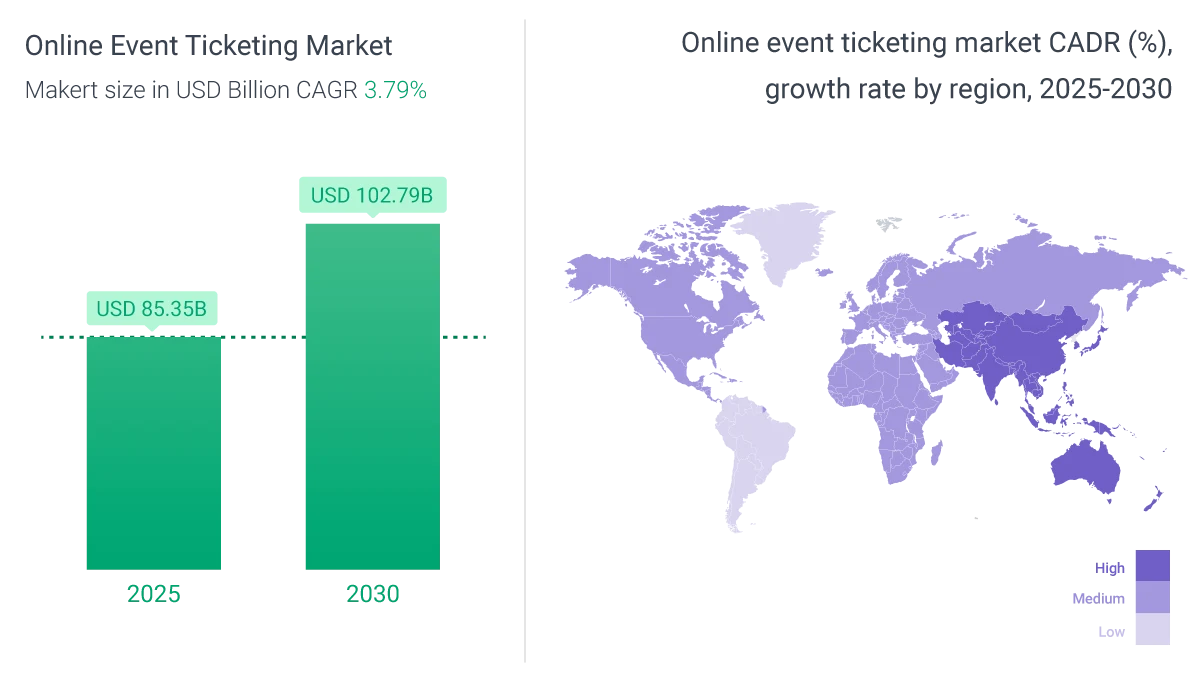
The global online event ticketing market demonstrates remarkable momentum, projected to grow from $85.35 billion in 2025 to $102.79 billion by 2030, representing a compound annual growth rate (CAGR) of 3.79%. This growth is fueled by increasing smartphone penetration, the expansion of digital payment systems, and rising consumer demand for seamless, personalized experiences.

For ticketing platforms, event organizers, and venues, these shifts present both challenges and significant opportunities. The organizations that capitalize on emerging technologies, understand evolving customer expectations, and build flexible, scalable infrastructure will position themselves for sustained growth in an increasingly competitive market.
This article explores the top opportunities in event ticketing for 2026, from gamification and social discovery to AI-powered personalization, cloud migration, and biometric access control. Each represents a strategic lever that forward-thinking platforms can pull to differentiate themselves, capture new revenue streams, and build lasting competitive advantages.

Unleashing Engagement Through Gamification and Social Discovery
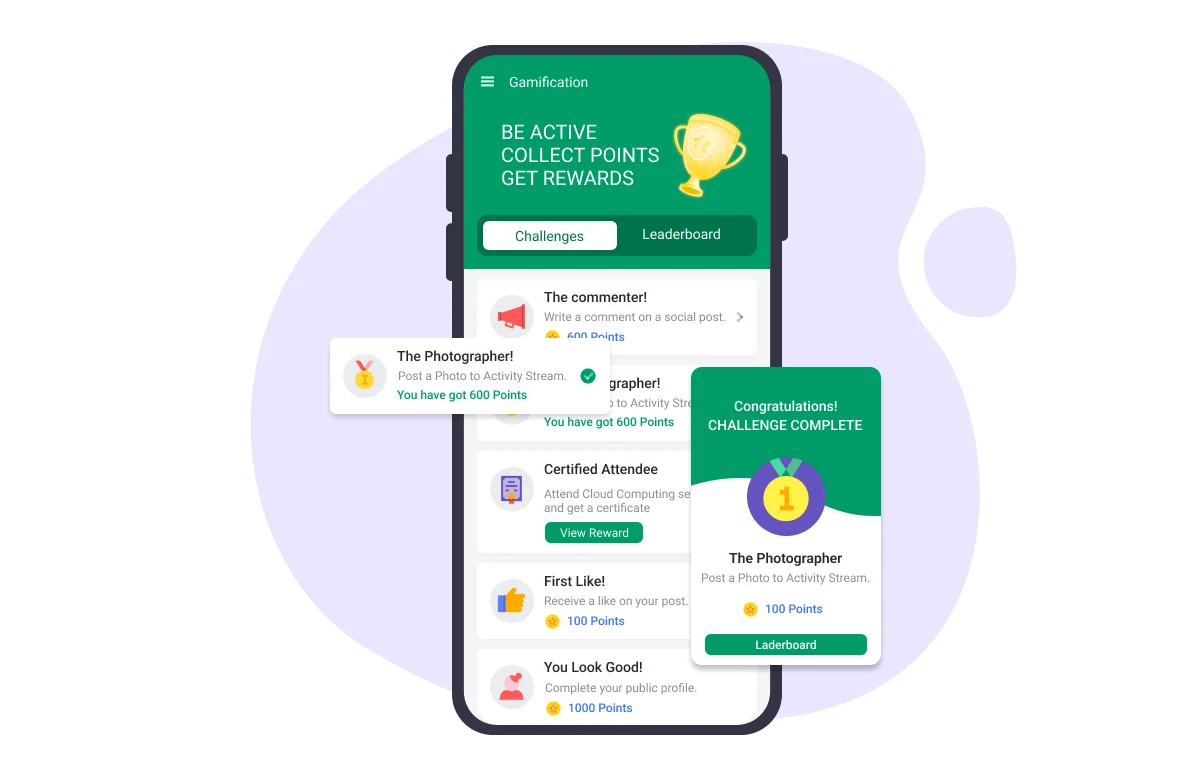
Gamification has emerged as a powerful strategy to boost customer engagement in ticketing. By integrating game-like elements into the ticketing experience, platforms can significantly enhance user interaction and loyalty.
This approach taps into the psychology of reward, competition, and achievement, transforming the often mundane process of purchasing and attending an event into an engaging and memorable experience.
Gamification Strategies
Successful gamification in ticketing can take many forms:
- Loyalty programs with points and rewards – Customers earn points for purchases, referrals, or social sharing, which can be redeemed for discounts, exclusive access, or special perks. This not only incentivizes repeat purchases but also fosters a sense of belonging and appreciation among customers.
- Interactive challenges and competitions – Platforms can introduce challenges that encourage users to explore different event categories, attend a certain number of events within a timeframe, or engage with content in specific ways. Competitions, such as trivia related to upcoming events, can also drive engagement and increase platform traffic.
- Badge systems and achievement tracking – Recognizing users' milestones, such as attending their first event, reaching a certain number of purchases, or being an early adopter of a new feature, with badges or achievements, adds a layer of personal accomplishment and encourages continued engagement with the platform.
The industry momentum behind gamification is clear. According to Stats Perform's 2026 Sports Fan Engagement survey, 40% of sports organizations are actively exploring or implementing direct-to-consumer gamification strategies to generate revenue, ranking it as the top monetization priority ahead of traditional ticketing and merchandise (30%).
Among digital media platforms and apps, 58% are incorporating gamification into their product offerings, recognizing it as essential for fan engagement and retention.
The Social Discovery Revolution
The most significant opportunity in 2026 lies at the intersection of gamification and social discovery. Gen Z discovers events differently than any previous generation, with 49% finding events through social media compared to just 16% through traditional search engines. Among this demographic, 52% have purchased tickets directly through TikTok, and 54% report that fear of missing out (FOMO) significantly influences their decision to attend an event.
Hrefna Sif Jonsdottir, Managing Director at Tixly, sees this shift fundamentally changing event discovery. "We are so used to having content 'fed' to us on social platforms, and audiences are starting to expect that same ease when discovering cultural events. It's a shift towards meeting people where they are, rather than expecting them to come to us."
This represents a fundamental shift in how tickets are sold. Events are no longer discovered through search but through social feeds, influencer recommendations, and peer sharing. Aaron Parris, EVP and Co-Lead of Partner Success at FEVO, explains the implications:
"Younger generations, who are becoming a larger percentage of the purchaser base, prioritize the social element of the event. This also means their discovery process is different. They are coming from so differing channels, and the ticket interface has to be responsive and optimized no matter what device or channel they are using."
Key Opportunities
For ticketing platforms looking to capitalize on gamification and social discovery in 2026:
- Integrate social coordination features that make group purchases seamless and encourage friends to attend together
- Partner with creators and influencers who reach younger demographics more effectively than traditional advertising
- Build shareable experiences that encourage attendees to create and distribute content before, during, and after events
- Leverage FOMO strategically through limited-time offers, exclusive access, and real-time social proof of who else is attending
- Create loyalty programs that reward social sharing and referrals, not just purchases
- Design mobile-first discovery feeds that mirror the social platforms where Gen Z already spends their time
The platforms that successfully merge gamification mechanics with social discovery behaviors will capture a generation of customers who expect tickets to be found, shared, and experienced collectively rather than purchased individually.
Personalizing the Event Journey with Data and AI
The utilization of event-goer data for personalization is a game-changer in the ticketing industry. Using predictive analytics in ticketing allows platforms to offer personalized recommendations, marketing messages, and experiences, creating a deeper connection with each customer.
This level of personalization not only elevates the customer experience but also drives loyalty and repeat business, setting a new standard for customer engagement in ticketing.
AI-Powered Personalization
The biggest leap forward in 2026 is how AI enables personalization at scale. Mike Geller, President of U.S. and Canada at Spektrix, notes that "powered by CRM and the increasing use of AI and automation, the line between personalized marketing and the ticketing transaction will be thinner than ever in 2026. The ticket buyer is expecting a purchasing experience tailored to their interests, budget, and timeline."
Jessica Stewart, who manages ticketing for The Event Planner Expo, has seen AI transform attendee experiences:
"AI-powered attendee matching and personalized agenda building are changing how we operate. Systems can now analyze registration data and automatically recommend which sessions matter most to each attendee based on their job title, company size, and interests. When a marketing director from a Fortune 500 registers, the system knows to push them toward our enterprise-level content and connect them with similar professionals for networking before they even arrive."
Aaron Parris at FEVO emphasizes the operational impact: "Being able to use analytics to precisely segment and target fans gives promoters unprecedented efficiency and confidence in who they should market to and how they should do it."
From Transactions to Relationships
Approximately 9 out of 10 consumers are more likely to shop with brands that supply offers and recommendations that are relevant to them, and over 50% are willing to share their information to create a more personalized experience. This creates a clear opportunity: platforms that invest in CRM-based personalization and AI-driven recommendations will see higher conversion rates, increased customer lifetime value, and stronger brand loyalty.
Ruben Meiland, Chief Product and Technology Officer at TicketSwap, puts it simply: "Users expect their ticketing platform to know their tastes. Generic feeds feel irrelevant. People want curated event experiences, not long lists."
The personalization opportunity extends beyond marketing to the entire customer journey, from discovery through post-event engagement. Platforms that treat each customer as an individual rather than a transaction will capture the relationship, not just the sale.
Mastering Cross-Selling with Strategic Insights
Effective cross-selling strategies, informed by event-goer data and deep customer insights, can significantly boost revenue for ticketing platforms. By understanding customer behaviors and preferences, platforms can offer relevant add-ons and merchandise, elevating the event experience and opening new revenue streams.
The Shift to Retail-Style Experiences
The biggest opportunity in 2026 is transforming ticketing from a transactional commodity into a true retail experience. Aaron Parris, EVP and Co-Lead of Partner Success at FEVO, sees this as critical:
"The rest of the e-commerce world figured this out before the ticketing industry has, but we're faced with the opportunity to better represent and present added value opportunities to extract more revenue. The consumer gets an enriched, all-in-one experience, like a ticket with parking or an F&B credit already built in, and the organization boosts revenue. Integrating things like merchandise or unique in-venue experiences right into the initial purchase flow is what moves ticketing from a simple commodity transaction to a true retail experience."
Third-Party Add-Ons Expanding
Kayhan Ahmadi, CEO of Ticketbud, observes a surge in third-party add-on products. "We are seeing more and more weather guarantee products, refund protection products, hotel and accommodation products. Organizers are dealing with difficult economic pressures, and any product that can help event organizers capture additional margin will for sure be utilized."
These add-ons serve dual purposes: they provide customers with value and peace of mind while generating incremental revenue for organizers facing thin margins.
Strategic Cross-Selling Opportunities
Successful cross-selling in 2026 relies on sophisticated data analysis to identify opportunities that truly resonate with audiences:
- Personalized merchandise – Offering items based on purchase history and preferences
- Custom passes and upgrades – VIP experiences, early entry, or exclusive access
- Bundled services – Parking, transportation, or accommodation packages integrated at checkout
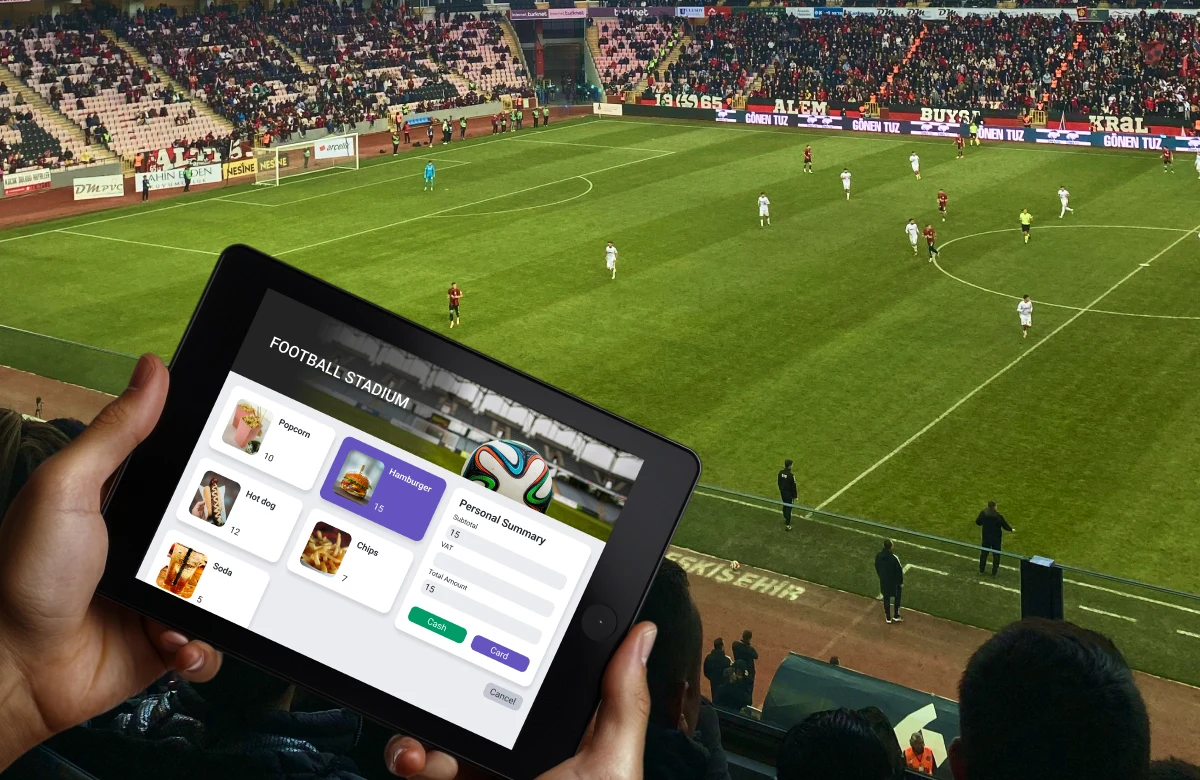
- F&B credits – Pre-purchased concessions that reduce lines and guarantee spending
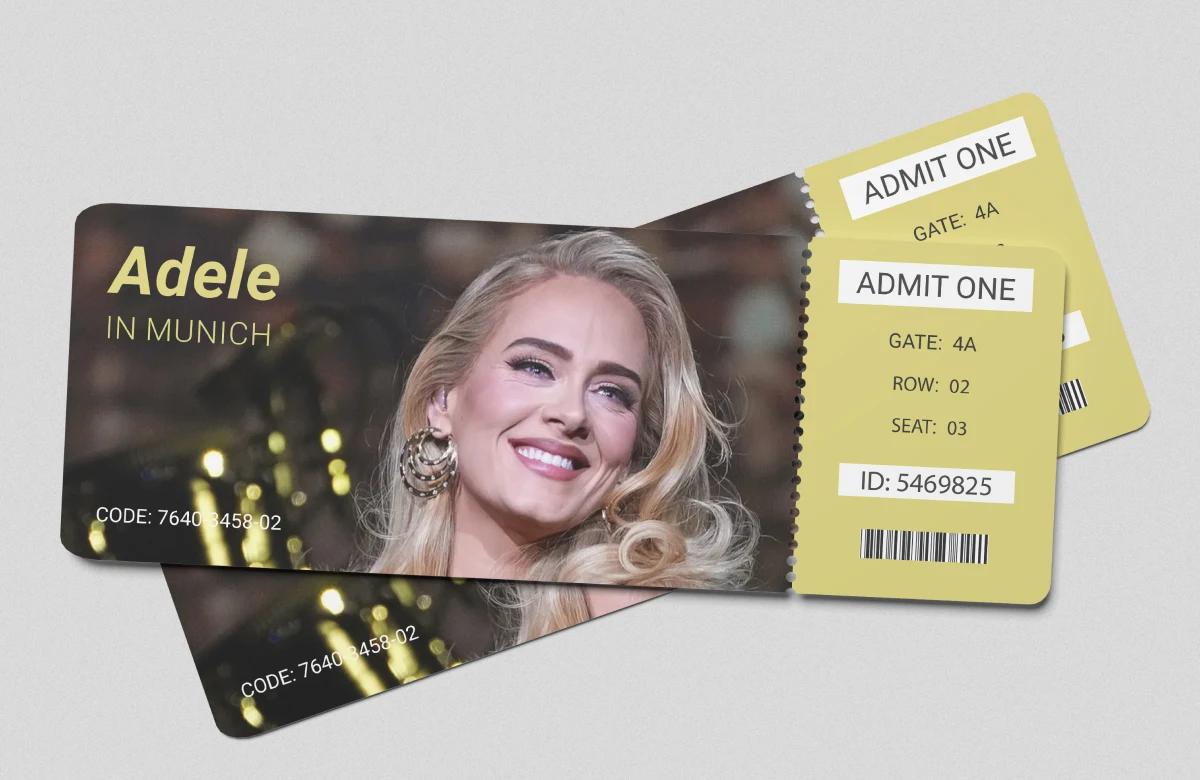
- Souvenir tickets – Customized with event-specific designs, augmented reality features, or special access codes for future discounts, adding a tangible and memorable element to the digital ticketing experience
- Experience add-ons – Meet-and-greets, backstage access, or premium seating upgrades
Platforms that make cross-selling feel like value-add rather than upselling will capture significantly more revenue per transaction while improving customer satisfaction. The key is relevance: the right offer, to the right customer, at the right moment in their journey.
Elevating Operations with Cloud-Based Technologies
Legacy ticketing systems, once the backbone of the industry, now stand as barriers in the path of innovation and efficiency. These outdated systems are characterized by their reliance on manual processes, lack of real-time data insights, and an inability to swiftly adapt to the dynamic nature of the ticketing industry. As a result, organizations grapple with inefficiencies, delays, and a notable incapacity to satisfy the expectations of an increasingly tech-savvy consumer base.
The shift towards a modern, cloud-based tech stack represents a pivotal move for ticketing platforms seeking not just to overcome these limitations but to redefine what's possible in event ticketing.
The Modernization Imperative
The urgency for modernization extends beyond operational efficiency. It's becoming a prerequisite for adopting emerging technologies. Josh Katz, former founder and CEO of YellowHeart and founder of Beach Lane, observes: "Historically, the live entertainment business has been very slow to move towards the use of new technologies. Eventually, I'm sure they will start using AI, although I believe that many of the incumbent tech stacks might not be able to do much integration because of how outdated and old they are."
This creates a critical opportunity: platforms that invest in cloud infrastructure now position themselves to leverage AI, machine learning, and real-time analytics that legacy systems simply cannot support.
Cloud Technology Advantages
Cloud technology offers unparalleled flexibility, enabling:
- Seamless integration of innovations like mobile access and social media
- Advanced analytics and machine learning for personalized experiences
- Real-time data analysis and informed decision-making
- Efficient scalability to handle demand spikes without infrastructure investment
- Cost reduction by leveraging shared resources instead of maintaining on-premise hardware
- Faster feature deployment through continuous integration and deployment pipelines
- Disaster recovery and business continuity without expensive backup infrastructure
Ticketing companies that migrate to cloud-based architectures can respond to market changes faster, integrate new technologies more easily, and scale operations more efficiently than competitors stuck maintaining legacy systems.
The Competitive Advantage
The opportunity in 2026 isn't just about better technology. It's about survival. As AI-powered pricing, personalized discovery, and real-time capacity management become standard, platforms running on outdated infrastructure will find themselves unable to compete. Cloud migration isn't a nice-to-have. It's a strategic imperative that determines which platforms thrive and which become obsolete.
Revolutionizing Access Control with Biometric Innovation
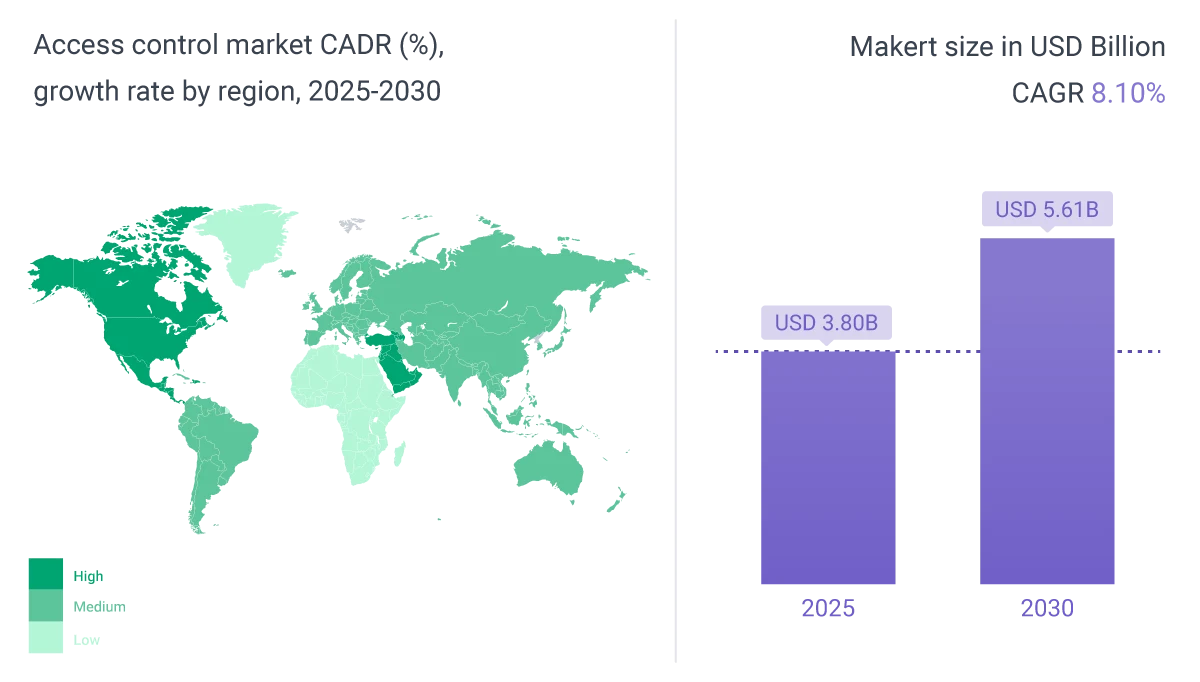
The global access control market is experiencing remarkable growth, projected to expand from $3.80 billion in 2025 to $5.61 billion by 2030, representing a compound annual growth rate (CAGR) of 8.10%.
This surge reflects the industry's recognition that access control is no longer just about security. It's about creating frictionless entry experiences that set the tone for the entire event.
Beyond Traditional Entry Points
Biometric technologies such as facial recognition, fingerprint scanning, and palm vein authentication are transforming venue entry from a bottleneck into a seamless experience. These systems eliminate the need for physical tickets or even smartphones, reducing entry times from minutes to seconds while simultaneously enhancing security through identity verification that's nearly impossible to forge or transfer.
The opportunity extends beyond speed. Biometric access control creates a permanent link between the person and their ticket, making fraud and unauthorized transfers virtually impossible while generating valuable data about attendance patterns and customer behavior.

Tap-to-Pay and Contactless Integration
Sam Mogil, Chief Product Officer at SquadUP, sees tap-to-pay as a game-changer for access: "Tap-to-pay will become default, and platforms that still rely on hardware will spiral into downtime, churn, and support bloat. Mobile-first flows will dominate, with near-total intolerance for slow checkouts, extra fields, or redirects," he says. "Repeat buyers expect stored credentials and one-tap flows as baseline."
This convergence of payment and access creates powerful opportunities for venues and organizers. When the same credential used for purchase also grants entry and enables in-venue transactions, the entire event experience becomes more fluid while providing rich data on customer journeys from ticket purchase through concessions and merchandise.
Strategic Opportunities
For ticketing platforms and venues, the access control revolution presents several critical opportunities:
- Eliminate fraud through biometric verification linked to ticket holder identity
- Reduce staffing costs by automating entry verification and reducing manual checks
- Capture behavioral data about arrival patterns, dwell times, and movement within venues
- Enable dynamic access where credentials can be updated in real-time for upgrades or changes
- Improve emergency response with accurate real-time headcounts and location tracking
- Create premium experiences with VIP recognition and personalized greetings at entry
The platforms that invest in modern access control infrastructure now will differentiate themselves through superior customer experiences while building competitive moats around their technology capabilities.
Captivating Millennials and Gen Z
Millennials and Gen Z represent the future of the ticketing industry, and their preferences are fundamentally reshaping how events are discovered, purchased, and experienced.
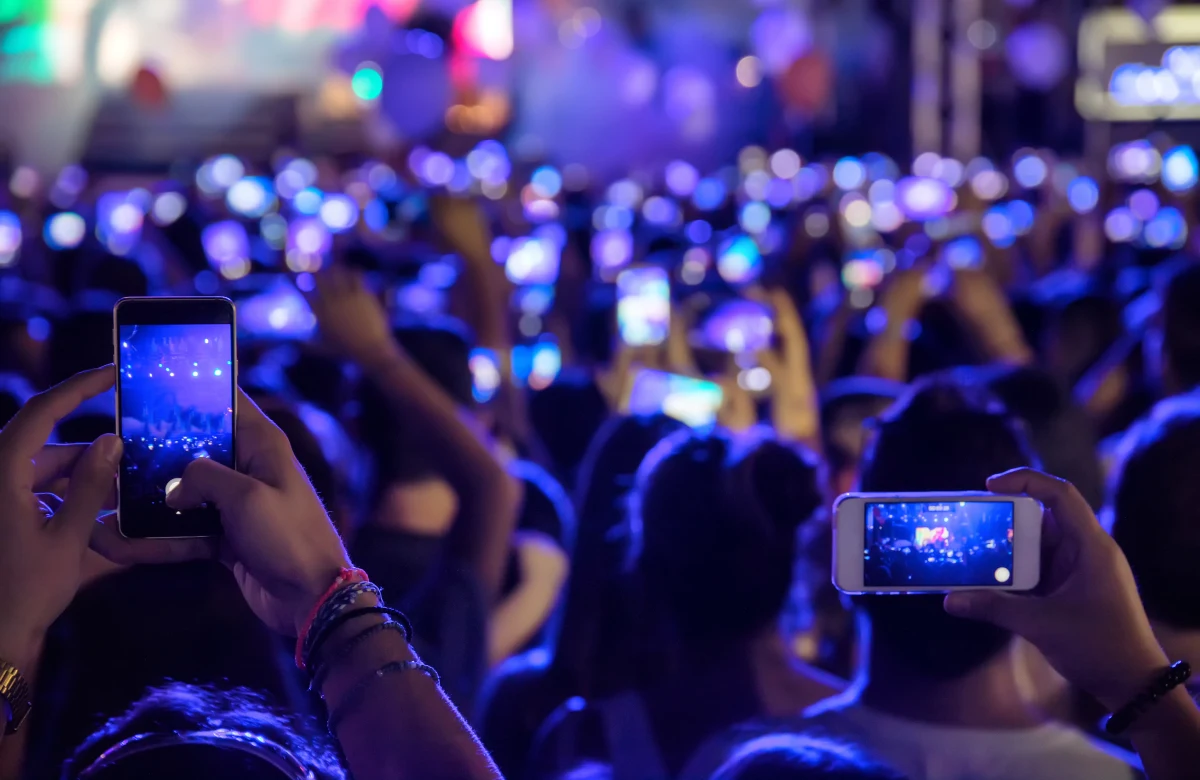
With 68% of Gen Z preferring to spend money on live events rather than material goods, this demographic shift creates unprecedented opportunities for platforms that understand what drives this generation.
Value Consciousness and Price Transparency
Economic pressures have made both generations highly price-sensitive and skeptical of hidden fees. Gen Z and younger millennials are incredibly value-conscious, with 52% of Gen Z actively using price comparison tools before paying convenience prices, and 39% of Millennials. It's likely these generations will comparison shop across several platforms before buying, so if your fees aren't transparent or your pricing feels arbitrary, they'll abandon the cart and tell everyone on social media about it.
This creates a clear imperative: platforms must lead with transparent pricing and demonstrate clear value. The all-in pricing movement isn't just regulatory compliance. It's a competitive advantage with demographics that demand honesty and clarity.
Mobile-First Expectations
For Gen Z, mobile isn't a channel. It's the default. Jason Chan, Co-founder and CEO at Cinewav, emphasizes: "Mobile first is probably the most significant change in recent years; everyone expects to be able to have the tickets readily available on mobile."
Ruben Meiland of TicketSwap adds: "Expectations for frictionless mobile entry and mobile transfers are higher than ever. Anything that requires printing or multiple steps is perceived as outdated."
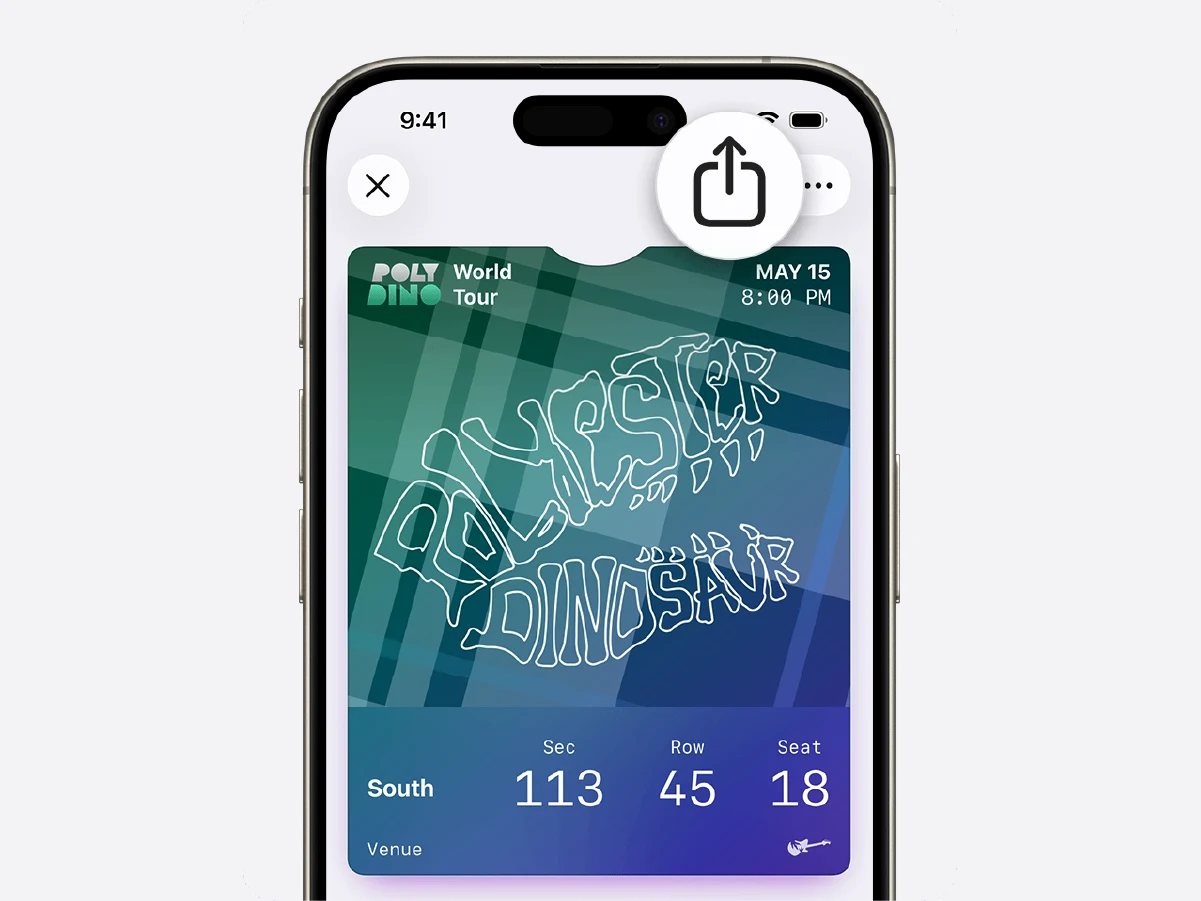
The mobile opportunity extends beyond responsive design to native mobile features: digital wallets, one-tap purchases, social sharing, and seamless access control. Platforms optimized for mobile capture sales that desktop-heavy competitors miss.
Experience Over Everything
Both generations prioritize experiences over possessions, but their definition of "experience" extends beyond the event itself. Aaron Parris of FEVO observes that Gen Z and millennials don't just want to attend an event; "They are craving a social and entertainment experience."
This shift demands that platforms think beyond transactions to facilitate social experiences, content creation opportunities, and community building. Features like group purchasing, social discovery, photo opportunities, and shareable moments become essential rather than nice-to-have.
Key Opportunities for Capturing Young Audiences
- Transparent, all-in pricing that builds trust rather than creating sticker shock at checkout
- Native mobile experiences optimized for speed, simplicity, and one-tap purchasing
- Social integration that makes sharing and group coordination effortless
- Flexible payment options including installment plans and digital wallets
- Authentic communication that avoids corporate marketing speak
- Sustainability initiatives that align with environmental values
- Creator partnerships with influencers these demographics actually follow
Platforms that treat millennials and Gen Z as partners in the experience rather than just customers will capture loyalty that transcends individual transactions. The opportunity is clear: build for these generations now, or watch them build their own solutions that disrupt the entire industry.
Optimizing Seating with Smart Venue Mapping
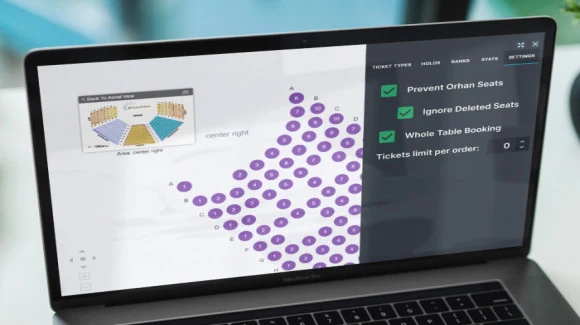
Advanced venue mapping technology represents a significant opportunity for ticketing platforms to enhance both the customer experience and revenue optimization. Interactive seating charts that provide real-time availability, dynamic pricing visualization, and immersive 3D venue views transform ticket selection from a guessing game into an informed decision-making process.
The Revenue Optimization Opportunity
Smart venue mapping does more than help customers choose seats. It enables sophisticated pricing strategies that maximize revenue per event. By visualizing price tiers, sightlines, and proximity to amenities in real-time, platforms can guide customers toward higher-value seats while maintaining transparency about what they're paying for.
As ticketing systems become more sophisticated, the industry is seeing more demand for detailed venue mapping and visualization. Customers want to see exactly what they're buying, especially for premium-priced seats. The platforms that can show accurate sightlines, 3D perspectives, and real-time availability have a clear advantage in conversion rates.
Key Opportunities
- Dynamic visualization that updates in real-time as inventory changes and prices adjust
- 3D and virtual reality views that let customers experience their seat perspective before purchasing
- Mobile-optimized maps that work seamlessly on smartphones without sacrificing detail
- Accessibility mapping that clearly identifies wheelchair-accessible seats and companion seating
- Amenity proximity indicators showing distance to restrooms, concessions, and exits
- Historical data integration that suggests seats based on past purchases and preferences
Venues and platforms that invest in advanced mapping technology will see higher conversion rates, reduced customer service inquiries about seating locations, and increased average order values as customers confidently purchase premium seats with full transparency about what they're getting.

Get Ahead of the Curve in 2026
The opportunities outlined in this article represent more than incremental improvements. They define the competitive landscape for the next generation of ticketing. The common thread across all these opportunities is action. Waiting for perfect solutions or industry-wide standards means falling behind competitors who are experimenting, learning, and iterating today.
The platforms succeeding in 2026 won't be those with the biggest budgets but those willing to adapt quickly and build for the customers and behaviors that define the future.
Need help capitalizing on these opportunities? Softjourn has deep expertise in ticketing platform development, from cloud migrations and AI integration to mobile-first experiences and access control systems. Our team understands both the technical complexities and the business opportunities that will shape ticketing in 2026 and beyond. Contact us to discuss how we can help you stay ahead of the curve.