
Is Outsourcing Dead? The New Rules of Tech Partnerships in 2026
The race to the bottom on cost is over, and in its place is a smarter approach focused on talent quality, cultural alignment, and domain expertise.

Every few months, someone publishes an article declaring outsourcing dead. The reasoning varies. Sometimes it's automation taking over. Other times, it's quality concerns. Occasionally, it's nationalism dressed up as business strategy.
The reality tells a different story. Outsourcing isn't dying; it's simply getting pickier.
Companies are still building software with external teams. They're still hiring developers beyond their borders. What's changed is what they're optimizing for. The lowest hourly rate no longer wins. The biggest team doesn't automatically get the contract. Volume-based thinking is giving way to value-based partnerships.
This article explores what actually matters when building tech partnerships in 2026, from evaluating true costs to understanding why domain expertise and cultural fit now outweigh hourly rates.

When "Savings" Cost More Than Building In-House
We've seen something like this a time or two: A mid-sized company hires a team of 15 offshore developers from a large-scale outsourcing provider for ~$30 per hour. The vendor emphasizes their cheap prices, their thousands of available developers, and their ability to scale teams quickly. On paper, the savings looked substantial compared to their $120-per-hour U.S. rates. Six months in, they discovered their actual costs:
- The time spent clarifying requirements across time zones.
- The rework needed when features didn't match specifications.
- The delays as simple questions took days to resolve.
- The stress on their internal team managing an ever-growing list of defects.
- The constant developer turnover that meant starting over every few months.
When they calculated the total cost of ownership, including opportunity cost from delayed launches and the engineering time spent on fixes, their "savings" evaporated. These are often the clients we get asking for code audits or rearchitecturing help.
The chase for the lowest price often leads to a higher total cost.
What Actually Matters in 2026
The companies getting real value from external development partners are asking different questions during evaluation. Price still matters, but it's no longer the primary filter.
Domain Expertise Tops the List
A developer who understands fintech regulations, payment processing flows, and compliance requirements delivers more value in one month than a generalist might in three. The same applies to ticketing, healthcare, logistics, or any vertical with specific technical and business requirements.
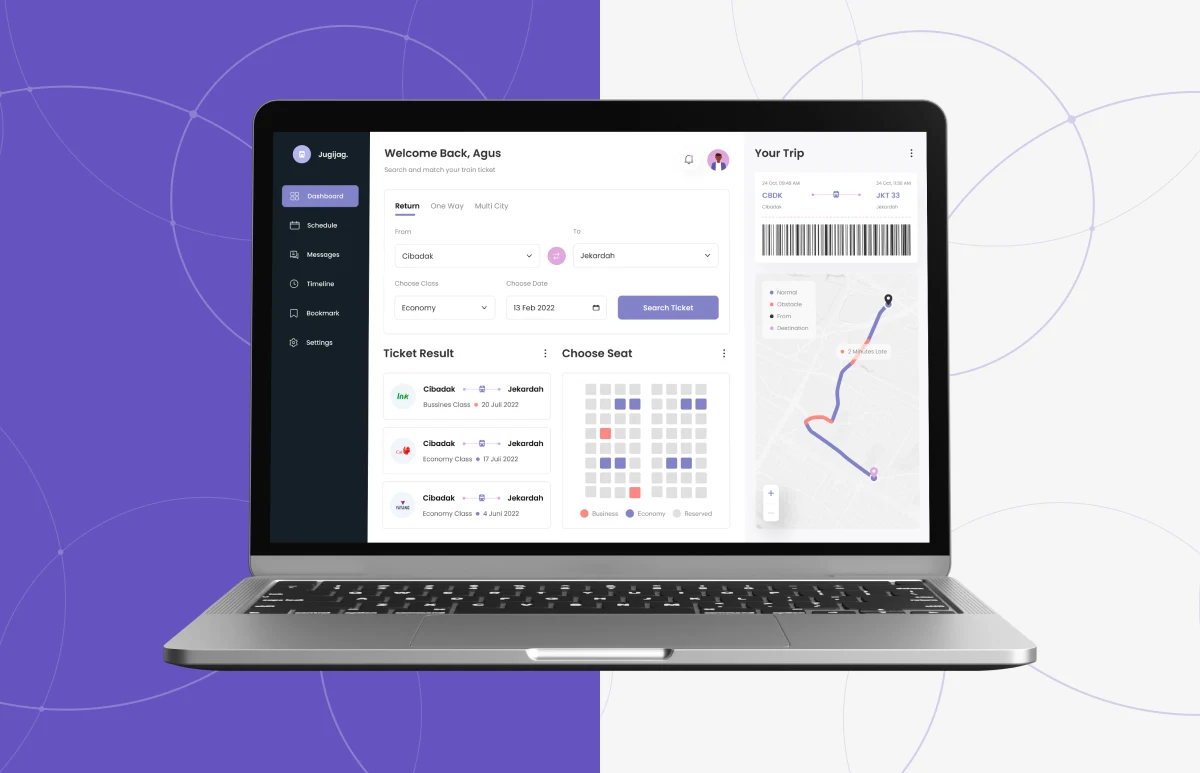
For example, when Softjourn partnered with SecuTix to expand their ticketing platform capabilities, the value wasn't just in writing code and supplying a great team. It was in our understanding of how ticketing systems handle inventory, seat mapping, payment gateway variations across regions, and the unique challenges of event-based commerce. That domain knowledge meant faster delivery, fewer misunderstandings, and features that actually solved our client's problems.
Cultural and Operational Alignment Matters
Time zone overlap allows real-time collaboration instead of asynchronous delays. Shared business communication norms reduce friction. Similar working hours mean faster iteration cycles.
Geography isn't irrelevant. Eastern European countries like Ukraine, Poland, and Romania have built strong reputations for quality engineering, reasonable rates, and cultural compatibility with U.S. and Western European clients.
Meanwhile, Latin American nearshore options offer time zone alignment that offshore locations can't match. These factors create smoother workflows than working with teams in vastly different time zones, regardless of individual developer skill.
Quality of Talent Beats Quantity
Three experienced developers who understand your business often outperform ten generalists who don't. Senior engineers and solution architects make better architectural decisions. They spot potential problems early. They write maintainable code that doesn't create technical debt.
High retention rates signal stability. When a development partner keeps their team intact, you avoid the knowledge loss that comes with constant turnover and your project doesn't have to restart every few months as new developers ramp up.

Technological Sophistication Matters More Than Ever
Financial applications need developers who understand security, compliance, and audit requirements. Platforms handling payments need engineers experienced with PCI-DSS standards. Companies building for scale need partners who've solved performance challenges before.
The gap between a partner who's built similar systems and one learning on your dime is measurable in months of development time and tens of thousands of dollars.
An example of how this looks is when a U.S.-based financial institution partnered with Softjourn to prepare for FDIC and PCI-DSS audits. Rather than treating compliance as an afterthought, Softjourn's team designed audit-ready architecture from the start, implemented structured development and QA processes, and produced the comprehensive documentation needed for regulatory review. The institution successfully passed its FDIC audit and received praise for technical maturity. Many of the secure practices introduced during that engagement remain in use today as internal best practices.
Building correctly from the start costs far less than retrofitting compliance under regulatory pressure.
The Real Cost Equation
Smart CFOs and CTOs now calculate outsourcing costs differently. They look at:
- Direct development costs (hourly or project rates)
- Operational overhead (communication time, project management, documentation)
- Rework and defect costs (bugs, missed requirements, technical debt)
- Opportunity costs (delayed launches, missed market windows)
- Knowledge retention (team stability, documentation quality)
A $50-per-hour developer who gets it right the first time costs less than a $30-per-hour developer who needs three attempts and constant supervision.

Why Location Still Matters (But Not How You Think)
The discussion around outsourcing locations is often binary: onshore versus offshore. The reality is more textured.
Massive outsourcing operations prioritizing rapid headcount growth often struggle with quality control at scale. When companies compete primarily on volume and price, they optimize for filling seats rather than finding the right talent. Average developer quality often declines as organizations scale too quickly without maintaining hiring standards.
Smaller, focused development companies often deliver higher quality regardless of where they're located. They compete on expertise rather than volume. They invest in training and retention rather than rapid scaling. They're selective about projects and clients because their reputation depends on consistent delivery.
The difference isn't where developers live. It's how development companies operate. A selective 200-person engineering company often outperforms a massive operation with 20,000 employees, not because of geography or nationality, but because the smaller organization can maintain quality standards across their entire team. They know their developers personally, can match specific expertise to client needs, and they have something to lose if quality slips.
Company size alone doesn't determine quality, but it does influence what a company can realistically optimize for. Volume-focused providers serve a market need, but that need isn't usually strategic partnership or domain expertise.
What Successful Partnerships Actually Look Like
Organizations that get outsourcing right in 2026 treat their development partners as extensions of their team, not as vendors managing transactions.
They start with clear communication about goals, along with business context so their partners understand why certain decisions matter. Additionally they maintain regular communication through overlapping hours rather than depending on overnight handoffs.
Successful partnerships also involve realistic project scoping where both parties acknowledge complexity honestly, plan for discovery phases, and build in time for learning and adjustment rather than pretending everything will be known upfront.

What's Next for Outsourcing
Outsourcing isn't dead. The old model of competing on cost alone is dead. What's replacing it is more selective, more strategic, and more focused on long-term value than short-term savings.
The market is sorting itself into two categories: volume providers racing to the bottom on price, and quality partners competing on expertise. Companies are learning the difference, and they're choosing accordingly.
Contact us to discuss how a strategic development partnership could accelerate your product roadmap while maintaining the quality and domain expertise your business requires.