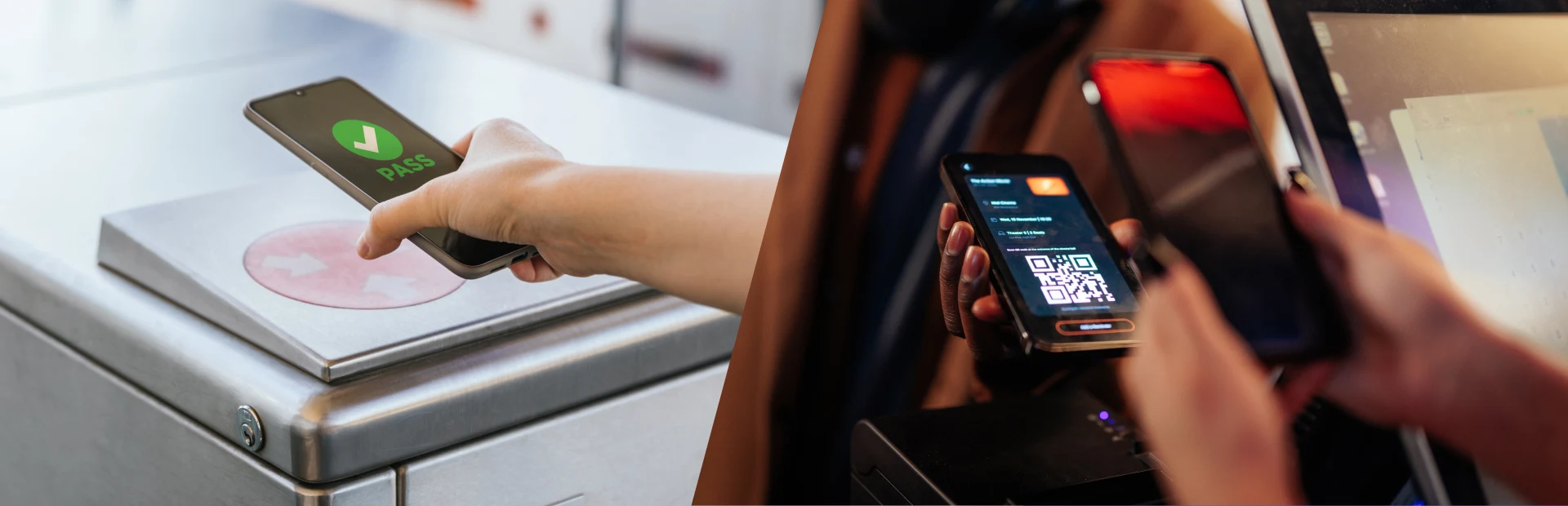
QR Code vs NFC in Ticketing: What's the Difference and Which Should You Choose
What's the difference between QR code tickets and NFC tickets, and which method is better for event ticketing? We'll compare NFC and QR code ticketing methods to see which is better.

When it comes to event ticketing, your choice of technology shapes more than just how attendees gain entry. It affects speed at the gates, security against fraud, staffing needs, and the overall experience for your audience.
In 2026, digital-first expectations are the norm: attendees want fast, seamless, and contactless check-ins, and organizers need solutions that scale.
Two technologies dominate this space: QR codes and NFC (Near Field Communication). Both are used at events of every size, from community theaters to international music festivals.

But while they might seem interchangeable, they're built on fundamentally different tech, each with its own benefits, drawbacks, and ideal use cases.
In this article, we'll break down exactly how QR codes and NFC work, explore their real-world applications in ticketing, and help you determine which is the better fit for your next event.
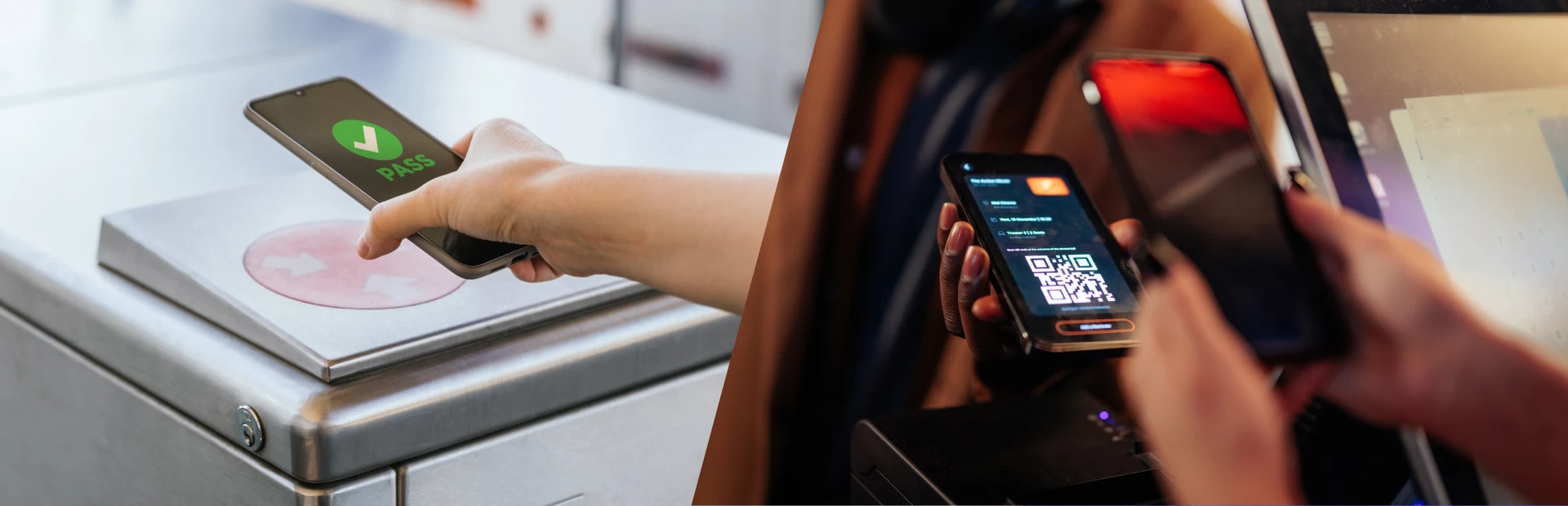
What Are QR Codes and NFC?
At their core, both QR codes and NFC serve the same purpose in event ticketing: enabling quick, digital access control. But they do it in very different ways, and their origins reflect that.
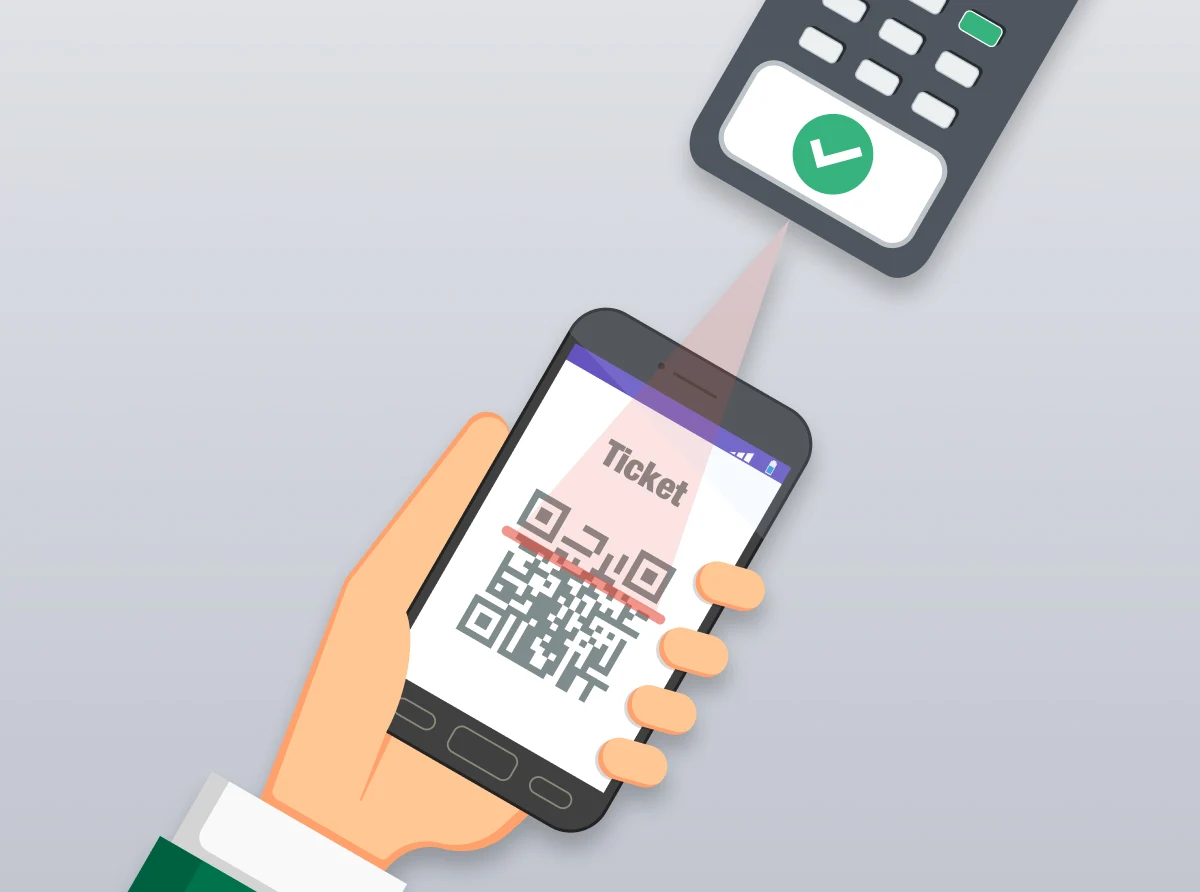
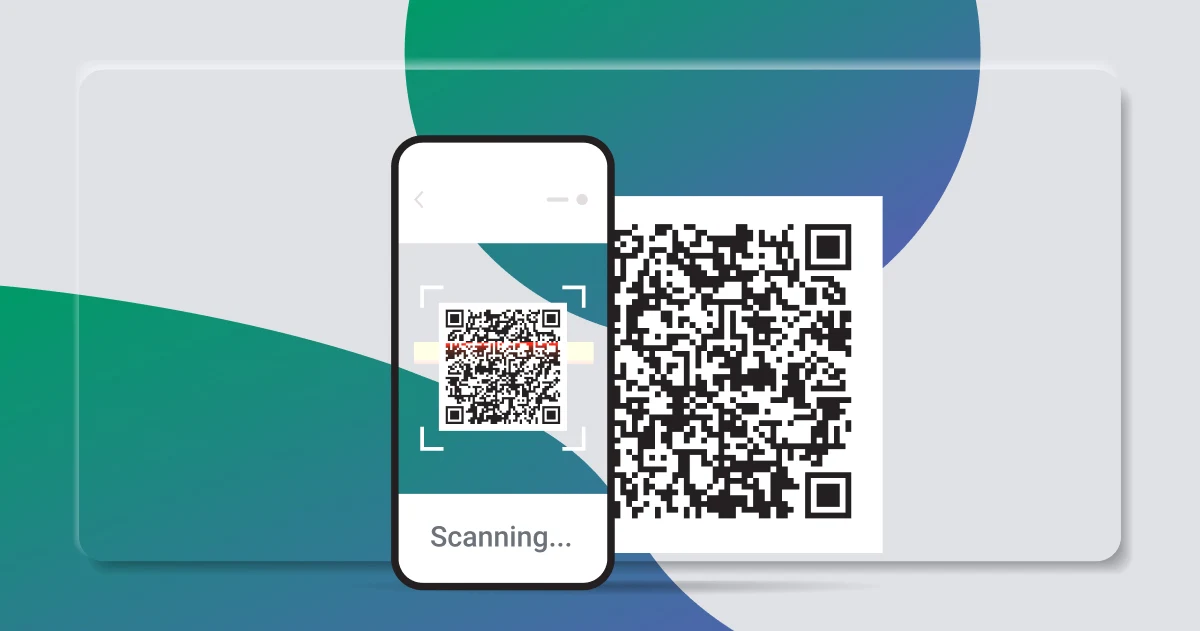
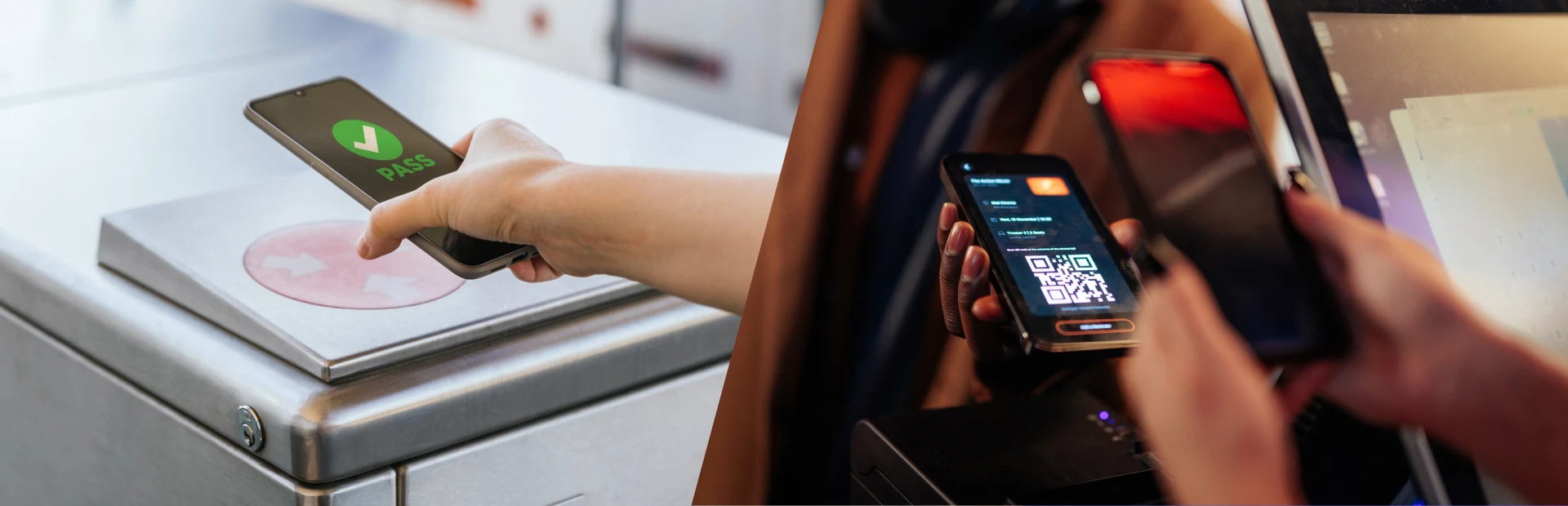
QR codes are two-dimensional barcodes that store alphanumeric data, such as a unique ticket ID or link to a ticketing server. They're typically displayed on a smartphone screen or printed on paper. When scanned using a phone camera or handheld reader, they instantly verify the ticket holder's credentials and grant access.
NFC, or Near Field Communication, allows data to be transmitted wirelessly between two devices placed in very close proximity (usually less than 4 cm apart). In ticketing, NFC is often embedded in wristbands, plastic cards, or smartphones. Instead of scanning a visual code, the attendee simply taps their device or credential against a reader to gain entry.
Interestingly, while you might remember using QR code tickets before NFC tickets, NFC technology actually predates them. The original patent for NFC was filed back in 1983, though the commercially available version we use today didn't emerge until 2002, when NXP Semiconductors and Sony began to refine it for use in quick, secure data exchange, from contactless payments to digital business cards.
The key difference between these ticketing technologies? QR codes rely on visual scanning, while NFC relies on proximity-based wireless communication. This distinction has big implications for speed, usability, and cost, which we'll explore in the sections that follow.
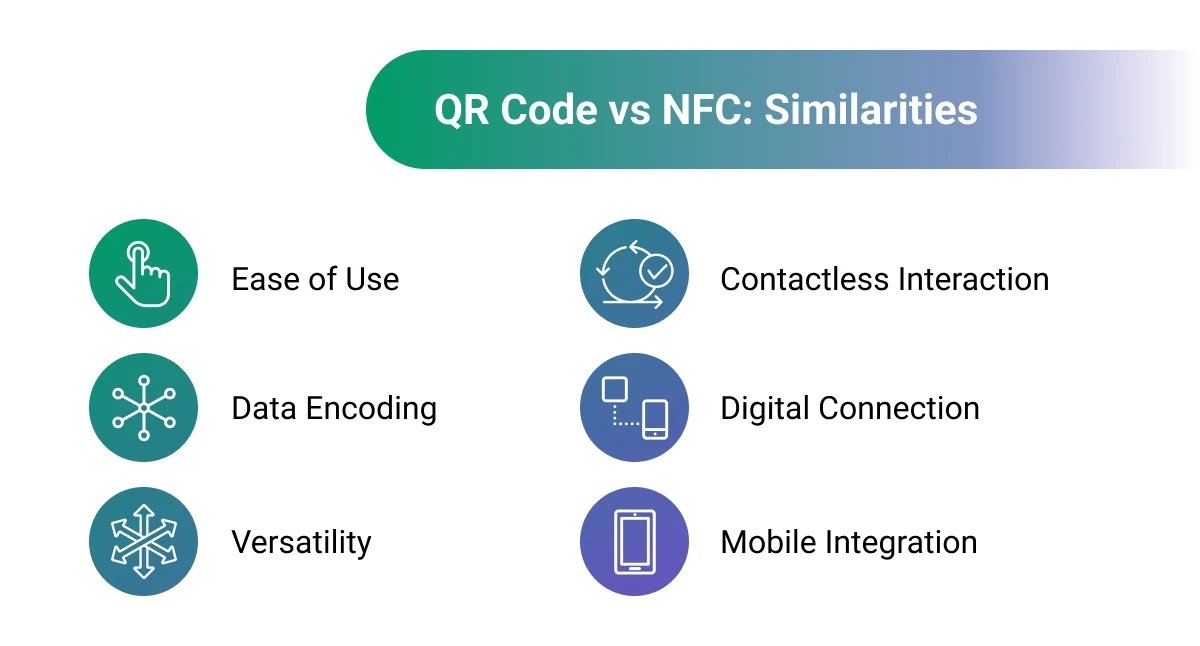
Why Is the Choice Between QR Codes and NFC Important for Event Organizers?
Event organizers are under pressure to create fast, seamless, and secure entry experiences, without blowing the budget. The ticketing technology you choose plays a central role in meeting these goals.
A few seconds of delay per attendee may not seem like much. But multiply that by thousands of guests arriving at peak times, and you're looking at long lines, frustrated guests, and overworked staff. On the flip side, efficient ticketing can reduce wait times, improve crowd flow, and set a positive tone from the moment attendees arrive.
Beyond logistics, the choice between QR and NFC impacts:
- Security: Some technologies are easier to duplicate or spoof than others.
- Cost: Hardware, infrastructure, and per-ticket costs vary widely.
- Scalability: What works for a 500-person conference might collapse under the weight of a 50,000-person festival.
- Customer experience: From ease of use to perceived professionalism, your ticketing method is part of your brand.
Ticketing isn't just a backend decision. It's a frontline experience, and choosing the right technology helps ensure it's a smooth one.
Understanding QR Codes
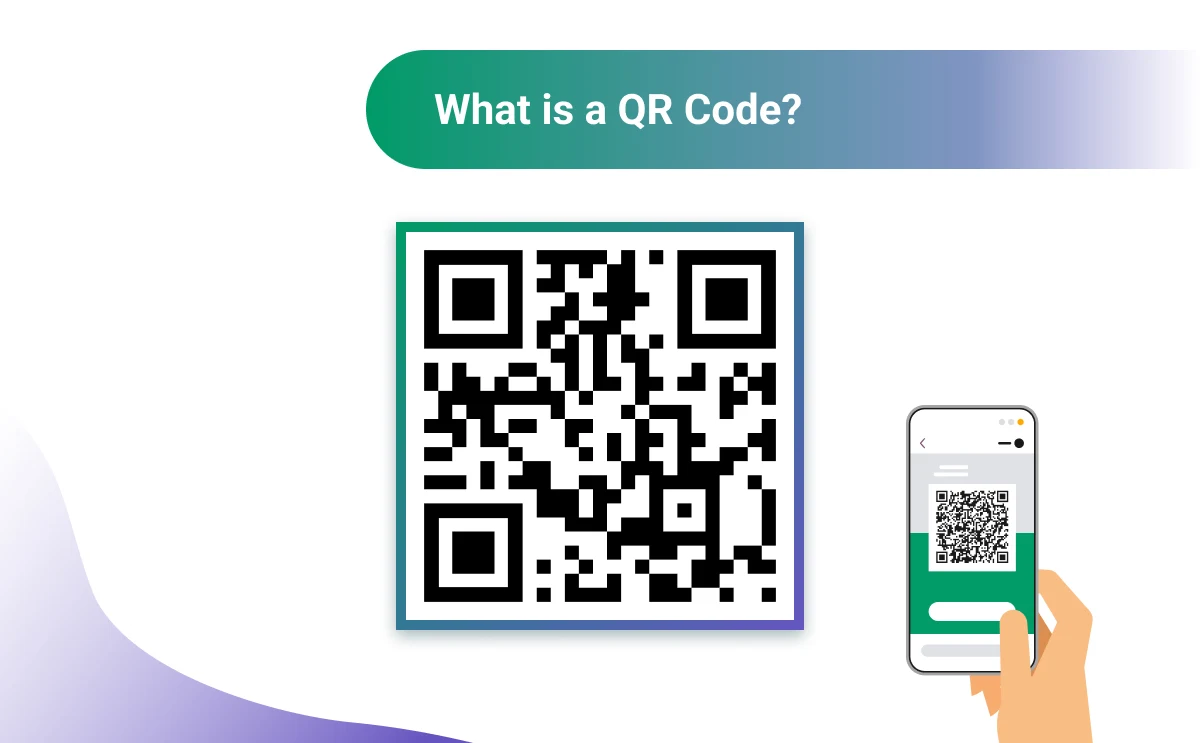
What Are QR Codes and How Do They Work?
QR codes (Quick Response codes) are square-shaped barcodes that can store a significant amount of data. In ticketing, they're most often used to store a unique identifier or a URL linked to an attendee's ticket record. Scanning the code with a smartphone or handheld device pulls up the associated ticket information and confirms its validity in real time.
There are two main types of QR codes used in events:
- Static QR codes: The data is fixed and cannot be changed once created. These are simpler but more prone to fraud.
- Dynamic QR codes: These redirect to an online record that can be updated or expired, offering more control and security.
What Are the Advantages of Using QR Codes for Event Tickets?
QR codes are favored by many organizers for one simple reason: they're accessible to both planners and attendees.
- Low implementation cost: Generating and distributing QR codes costs almost nothing.
- Universal compatibility: Every smartphone can scan a QR code without the need for extra hardware.
- Easy distribution: Codes can be emailed, stored in apps, or printed at home.
- Simple infrastructure: Basic scanners or smartphones can be used at entry points.
For smaller or single-day events, QR codes offer an ideal mix of simplicity and functionality.
How Do QR Codes Enhance Customer Experience?
From the attendee's perspective, QR codes are a familiar and low-effort entry method. In fact, 48% of Americans use QR codes several times a month, and over 89 million U.S. smartphone users engaged with QR codes in 2022, which is expected to exceed 100 million in 2026. No special apps or settings are required, and scanning takes just a second when things work smoothly.
They also support last-minute logistics: if a ticket is emailed the night before or transferred to a friend, QR makes that transition easy. And for organizers, QR-based entry systems can be set up quickly, even with limited staff.
Are QR Codes Cost-Effective for Event Organizers?
QR codes are a cost-effective ticketing solution because there's no need to manufacture physical tokens or invest in NFC infrastructure. A basic ticketing system and a way to send digital files is all you need. That's why QR remains the default choice for budget-conscious organizers or events with fewer than 5,000 attendees.
From an organizer's perspective, QR codes are low-cost, easy to implement, and widely supported by ticketing platforms. 72% of event planners consider QR codes a must-have in their toolkit.
Generating and distributing them is fast and flexible, with no hardware beyond basic scanners or smartphones needed.
What Are the Drawbacks of QR Codes?
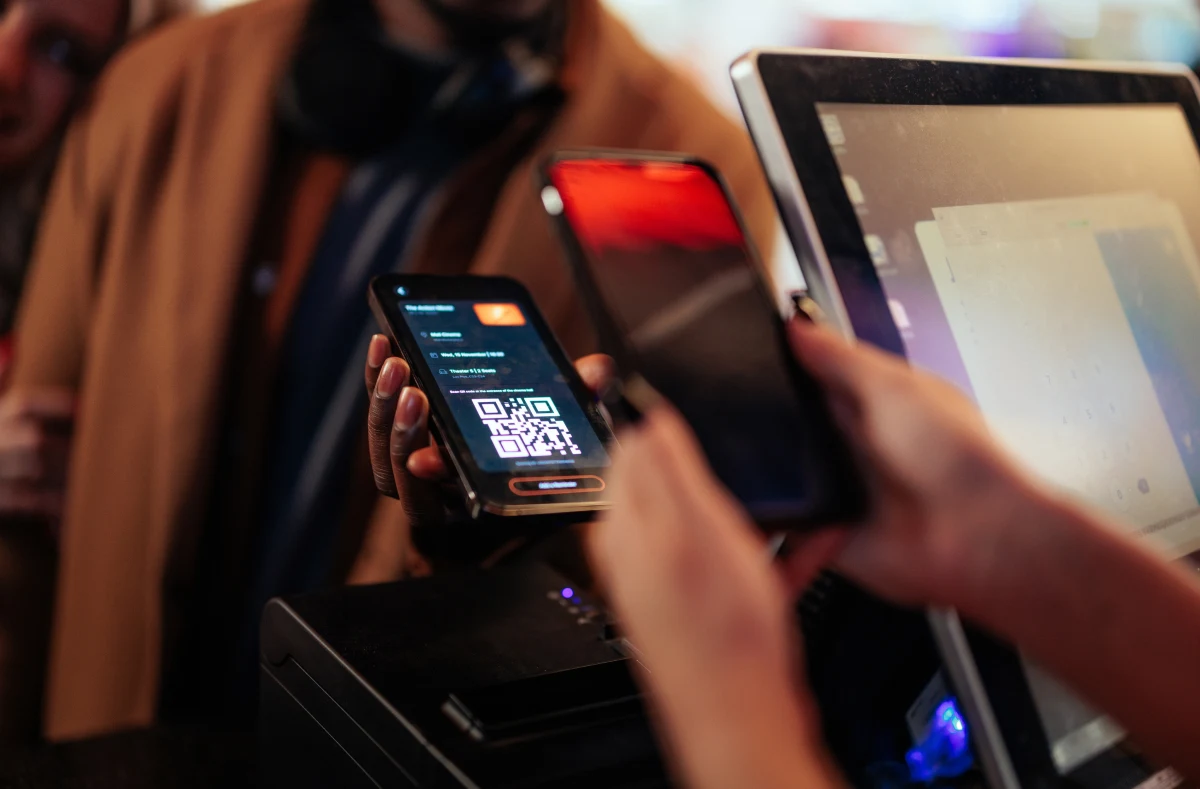
Despite their accessibility, QR codes have limitations, particularly in busy or outdoor environments. Issues include:
- Slower scanning: Attendees must align the code with a reader or camera, which can take time.
- Environmental factors: Glare, low lighting, and smudged or damaged prints can make scanning unreliable.
- Battery reliance: If an attendee's phone dies, their ticket goes with it.
On smartphones, tickets must be unlocked, the screen bright enough, and the QR code fully visible, all small requirements that can quickly turn into big problems. When even a few attendees struggle, entry lines can back up in minutes. These challenges can be amplified at peak entry times, especially without adequate staffing or support.
Are QR Codes Susceptible to Fraud?
One of the biggest downsides of QR codes in ticketing is their susceptibility to fraud. Without built-in encryption or time-sensitive validation, static QR codes can be copied, screenshotted, or shared. This opens the door to duplicate entries unless the system is paired with a robust backend that detects reuse or implements dynamic code rotation.
QR fraud has been a documented issue in everything from concerts to transit systems, not always due to bad tech, but due to lax implementation.
What Are the Limitations of QR Code Scanning Technology?
Unlike NFC, which operates via short-range radio waves, QR requires a clear line of sight. If the scanner has trouble reading the code (due to glare, angle, or damage) it slows down the entry process. And with printed QR codes, wear and tear is always a concern.
Understanding NFC Technology
What Is NFC and How Does It Work?
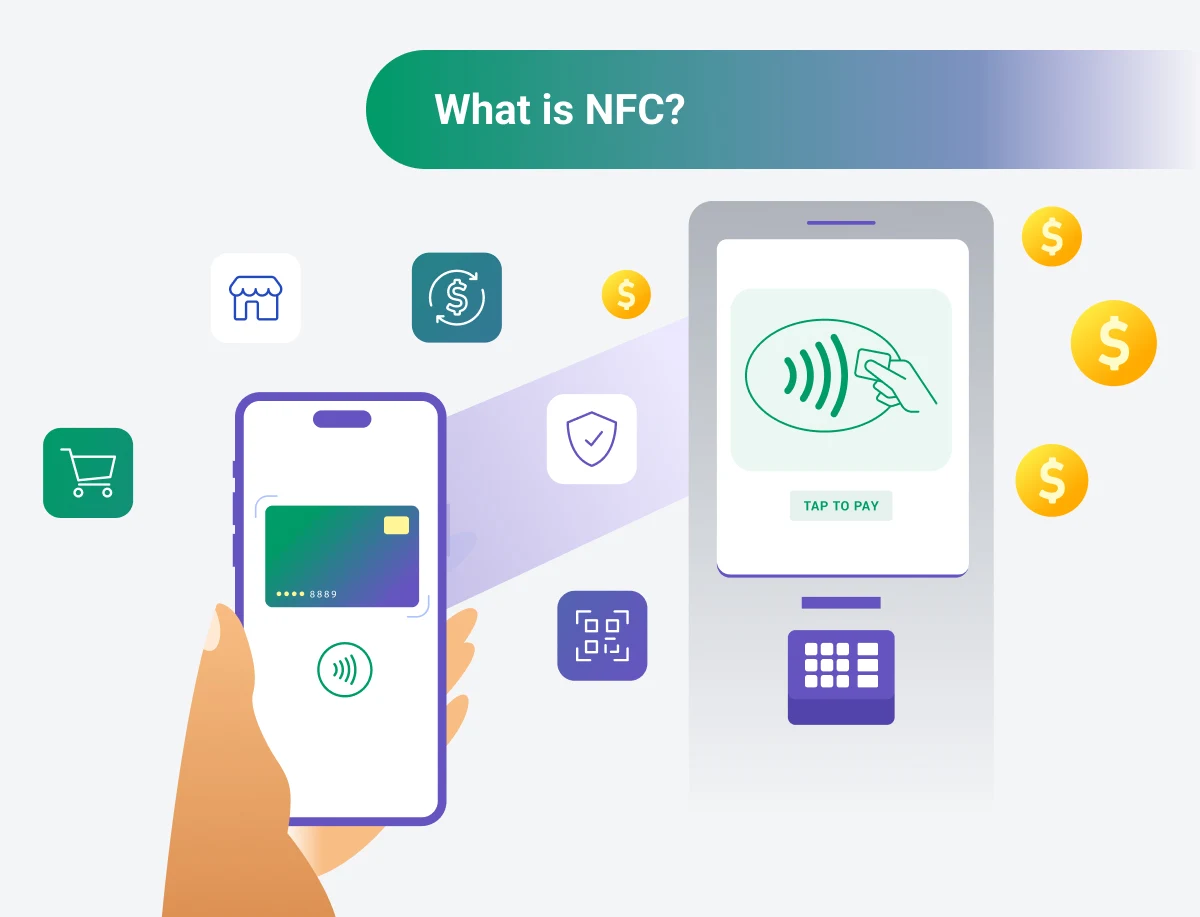
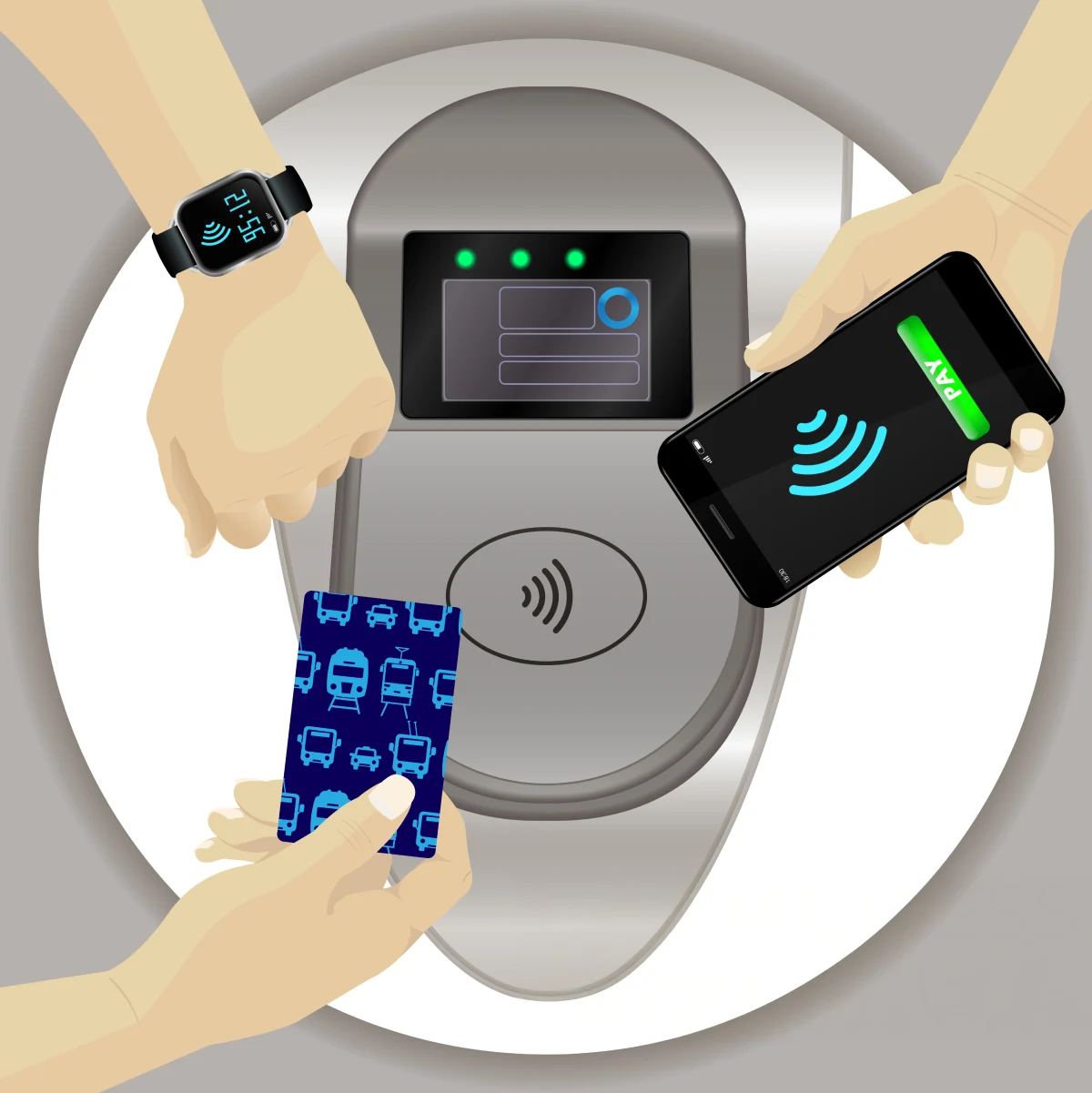
NFC (Near Field Communication) enables short-range wireless communication between two devices, typically within 4 centimeters. In the context of events, NFC is used by embedding a chip into a wristband, plastic card, or smartphone. When the attendee brings the chip near a compatible reader, their ticket is validated instantly.
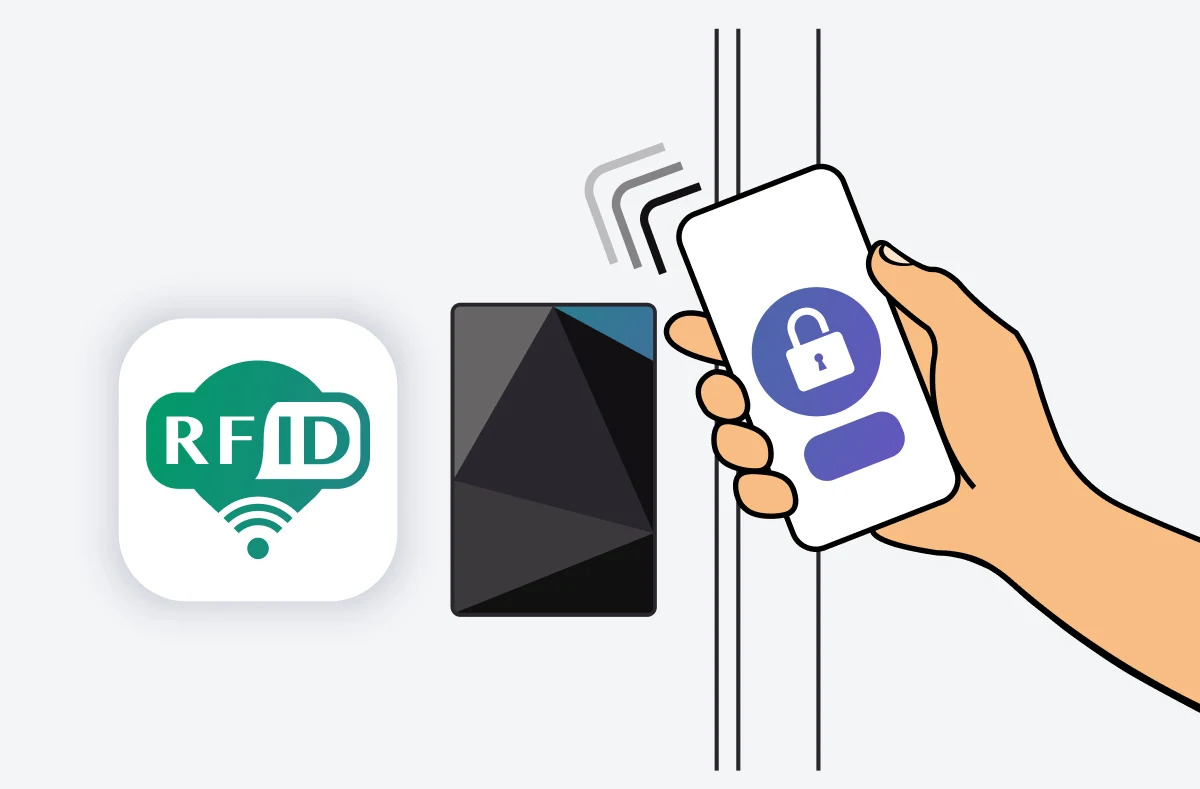
NFC is based on radio-frequency identification (RFID) technology, but it's specifically designed for short-range communication. Unlike QR codes, NFC doesn't require camera alignment or visual scanning. It operates via proximity, so the chip communicates passively (without needing a battery), and the transaction is typically completed in under 200 milliseconds.
This makes NFC ideal and convenient for high-volume entry scenarios, where throughput speed and hands-free interaction matter.
What Are the Benefits of Using NFC for Event Tickets?
NFC is purpose-built for speed, security, and convenience, especially at scale. Key benefits include:
- Frictionless entry: Attendees just tap and go. No fumbling with brightness, screens, or alignment.
- Offline capability: NFC credentials don't rely on battery power or connectivity.
- Durability: Wristbands last all day, even in rain, mud, or sweat-heavy conditions.
- Multi-functionality: NFC wristbands can be used for payments, access to different zones, loyalty programs, or VIP perks.
For multi-day festivals or stadium events, these advantages translate into smoother operations and a more premium attendee experience.
How Does NFC Improve Speed and Efficiency at Entry Points?
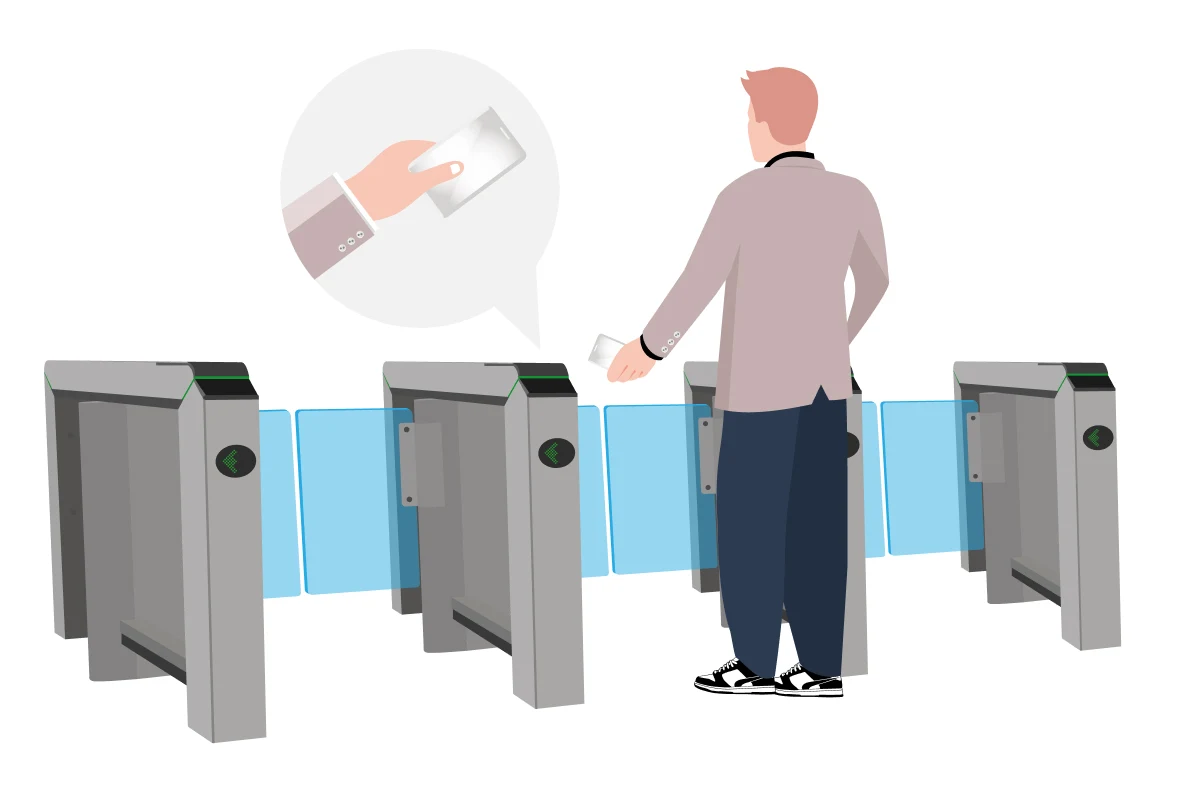
NFC drastically reduces dwell time at gates. A quick tap replaces the multiple steps involved in QR scanning: opening an app, adjusting the screen, and lining up the code.
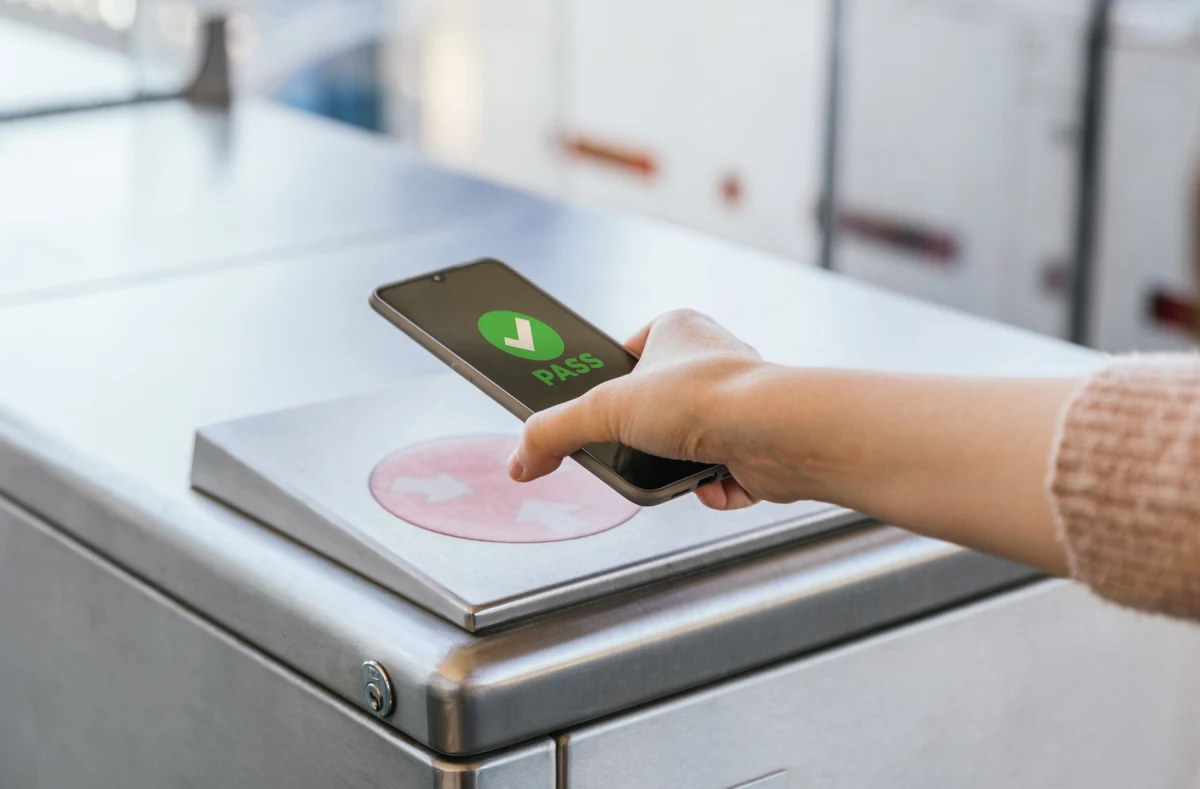
NFC-enabled wristbands and cards draw power from the ticket reader itself, so even if an attendee's phone is dead, they can still gain entry without issue. This kind of fast, reliable validation keeps entry lines moving smoothly, reducing bottlenecks at gates and helping organizers manage large crowds more effectively during peak arrival times.
This streamlined process enables faster lane movement, especially when paired with fixed-position readers or turnstiles. The result: shorter lines, less stress for staff, and happier guests.
For massive events like Tomorrowland or Lollapalooza, where tens of thousands arrive at once, that efficiency is non-negotiable.
Can NFC Provide Enhanced Security Features for Tickets?
NFC is far more difficult to duplicate than a QR code, which provides a better barrier to ticket fraud. Data on an NFC chip can be encrypted and linked to a verified user ID. Plus, because NFC has such a short range, it's less vulnerable to interception or misuse.
Many event organizers use NFC to enforce non-transferability of tickets. A wristband or phone tap can be linked to a specific person, making it easier to prevent resale scams or unauthorized entry.
What Challenges Do NFC Technologies Present?
NFC isn't without downsides. The biggest hurdles include:
- Upfront investment: Tags, readers, and software integration require more budget than QR.
- Logistics: Wristbands must be distributed in advance or at the venue, adding operational complexity.
- Technical support: Infrastructure setup and troubleshooting may require IT expertise.
For smaller events or first-time organizers, this can be daunting, even if the benefits are clear.
Are There Compatibility Issues with NFC-Enabled Devices?
While most modern smartphones now support NFC, not all users have it enabled, or even know how to use it. That's why many large events issue physical wristbands, which sidestep device compatibility issues altogether.
Still, if you're relying solely on smartphone-based NFC tickets, be prepared for occasional hiccups and attendee questions.
What Are the Costs Associated with Implementing NFC for Event Tickets?
Compared to QR codes, NFC adds cost at every stage. Wristbands can range from $0.20 for basic versions to $2 or more for custom-branded, waterproof designs. Readers and software also need to be purchased or licensed.
However, for recurring events, festivals, or stadiums, the return on investment is clear: reduced fraud, faster entry, and enhanced attendee engagement may often outweigh the costs.
Comparing QR Codes and NFC
QR codes and NFC are both well-established in event ticketing, but they solve different problems. Choosing between them depends on what matters most to your event: cost, speed, scale, or security.
Here's how they compare across the areas that matter most to organizers:
Feature | QR Codes | NFC Technology |
User Experience | Familiar; requires screen alignment and light | Seamless tap-and-go; faster and hands-free |
Speed at Entry | Moderate (2–4 seconds per scan) | Very fast (<1 second per tap) |
Device Requirements | Any smartphone with a camera | NFC-enabled phone or dedicated wristband/card |
Infrastructure Needs | Basic scanners or phones | NFC readers and backend integration |
Security | Vulnerable to duplication (if static) | Encrypted; harder to clone or share |
Cost per Ticket | Minimal (often free) | Moderate to high (wristbands/cards + readers) |
Scalability | Suitable for small to medium events | Ideal for high-volume or multi-day events |
Offline Usability | Requires working screen or paper ticket | Works even if phone is dead |
So Which Performs Better: NFC vs QR Code Tickets?
- If you need speed and security, NFC has the clear edge. It's faster to use, less prone to technical issues, and more difficult to spoof.
- If you need flexibility and affordability, QR codes still reign. They're easy to deploy and offer a low barrier to digital ticketing.
What's worth noting is that neither solution is strictly better; they serve different purposes. For example, QR codes are great for day conferences or theatre events. NFC shines at large-scale festivals, stadiums, or multi-day events with complex access needs.
In some cases, the best solution may be a hybrid: QR for general admission, NFC for VIP or multi-use tickets. This gives organizers flexibility without compromising on experience.
QR Code vs NFC in Real Events
Real-world usage is often the best guide for understanding how these technologies perform under pressure. Let's look at how different events have implemented QR and NFC ticketing, and what organizers can learn from them.
What Events Have Successfully Used QR Codes for Ticketing?
QR codes have become a default solution for many ticketing platforms, including Eventbrite and Ticketmaster. These platforms offer mobile tickets with rotating or time-sensitive QR codes to prevent fraud.
A few notable examples:
- Theatre productions and smaller concerts often use emailed QR codes that are scanned at the door.
- Tech conferences like Web Summit and SaaStr often rely on QR for quick badge pickup and session check-ins.
- Sports arenas commonly use QR tickets sent to fans via mobile apps for regular-season games.
These events benefit from QR's ease of distribution and low cost. They work especially well in environments where internet access is stable, attendee volume is moderate, and fraud risk is low to medium.
What Events Have Successfully Implemented NFC Technology?
NFC has become the gold standard for large-scale, high-complexity events where speed and security matter most.
Notable examples include:
- Coachella and Tomorrowland issue NFC wristbands for multi-day access, payments, and brand activations.
- Lollapalooza uses NFC for seamless re-entry, contactless payments at concessions, and VIP zone access, reducing bottlenecks and enhancing the premium experience.
- Major football stadiums increasingly use NFC via mobile wallets or wearable passes for contactless access.
In these cases, NFC isn't just about entry, instead, it powers a connected ecosystem. Wristbands can be linked to digital wallets, loyalty programs, or personalized experiences, turning a ticket into a multifaceted access tool.
Future Trends in Ticketing Technology
As events become more digital, immersive, and data-driven, technologies like QR codes and NFC are being enhanced by even more sophisticated tools. Here's what organizers should be watching.
How Is the Ticketing Landscape Evolving?
Attendee expectations have changed. They want convenience, personalization, and instant access, not just to events, but to everything surrounding them: food, merchandise, upgrades, and information. Ticketing has moved from being a transactional moment to a central part of the overall experience.
To meet these demands, organizers are integrating ticketing systems with customer data platforms, loyalty programs, and mobile wallets. The ticket is no longer just proof of entry but a digital identity.
How Are Emerging Technologies Like Blockchain and Biometrics Shaping Ticketing Innovation?
Emerging tools are starting to reshape what ticketing can do:
- Blockchain offers tamper-proof digital ticketing, enabling smart contracts, traceability, and resale control. It's still in early stages but shows promise in fighting scalping and fraud.
- Biometrics, such as facial recognition or fingerprint scanning, are being piloted to speed up entry and link tickets to verified identities. Privacy concerns remain, but early adopters in sports and transit are showing what's possible.
In the near future, ticketing may not involve any code or credential at all, perhaps just a face or a fingerprint, verified and linked to a purchase.
Which Ticketing Method Is Best for Your Event?
There's no one-size-fits-all answer. QR codes offer affordability and flexibility, making them ideal for smaller or single-day events. NFC delivers speed, security, and a polished experience, which is perfect for high-volume or high-engagement events like festivals and stadium shows.
Key Factors to Consider: Budget, Audience, Scale, and Security
Your decision should reflect the nature of your event. Consider:
- How many people are attending?
- What kind of entry experience do you want to offer?
- Is fraud prevention a priority?
- Do you need your ticket to do more than just grant access?
By matching the right technology to your specific needs, you'll set the foundation for a smooth and successful event.
Final Thoughts on Staying Adaptable with Evolving Tech
As technology evolves, so should your ticketing strategy. QR and NFC aren't rivals — they're tools. Use them wisely, and they'll support not just access control, but the broader event experience.
Need help implementing QR or NFC ticketing at your next event?
Softjourn has helped organizers build custom ticketing systems, mobile wallets, and access control apps faster and more cost-effectively than most teams think possible. Whether you're starting from scratch or modernizing an existing platform, we can help you design the right solution and bring it to life.
Let's build something together.
FAQ
Q: What is the main difference between NFC and QR codes in ticketing?
A: The main difference lies in their technology; NFC (Near-Field Communication) requires close proximity for communication, while QR codes can be scanned from a distance using a camera. This fundamentally alters how each method is implemented in ticketing systems.
Q: Which is better: QR codes or NFC?
There's no one-size-fits-all answer as it fully depends on your event's specific needs. NFC is often considered more user-friendly due to its seamless tap-to-interact experience, which speeds up entry and minimizes friction. QR codes, however, offer greater flexibility and compatibility since they can be printed, displayed on any screen, and scanned by virtually any smartphone with a camera.
The right choice comes down to key factors like:
- Your budget and infrastructure
- How quickly attendees need to get through entry points
- Whether you're providing printed or mobile tickets
- The level of security or personalization you want to offer
Q: What are the advantages of using NFC and QR codes for payments?
A: NFC offers the convenience of contactless payment, allowing users to simply tap their NFC-enabled devices on a payment terminal. QR codes, on the other hand, allow users to scan codes to initiate payments, which can be printed or displayed on screens, making them versatile for different environments.
Q: What are the disadvantages of NFC and QR codes?
A: One disadvantage of NFC is that it requires users to be close to the NFC tag or device, limiting its use in some scenarios. QR codes, while widely accessible, require a QR code reader or smartphone camera to scan, and may not be as seamless as NFC for immediate transactions.
Q: How do QR codes allow for ticketing flexibility?
A: QR codes can be printed on physical tickets or displayed on mobile devices, making them highly flexible for various ticketing scenarios. They can also be easily generated using a QR code generator, allowing for unique QR codes for each ticket sold.
Q: Can NFC tags be used for ticketing purposes?
A: Yes, NFC tags can be used for ticketing purposes by encoding ticket information onto the tag, which can then be scanned by NFC-enabled devices at entry points. This method facilitates a quick and efficient entry process.
Q: What are the differences between QR codes and NFC in terms of user experience?
A: The user experience differs mainly in interaction; QR codes require users to open a camera app or scanner to pay, while NFC allows for a simple tap with no additional steps needed. This can make NFC a smoother experience in high-traffic environments.