App Modernizing for Ticketing & Entertainment: A Practical Guide to Evolving Platforms
How ticketing companies are upgrading legacy systems to improve performance, support new features, and stay competitive in a mobile-first world.

In the ticketing industry, platforms are expected to do more than just sell tickets: they're the infrastructure behind seamless, memorable experiences.
But many systems still run on outdated code or rigid backends that weren't built for today's mobile-first, integration-heavy demands.
This article explores how ticketing companies are modernizing their platforms, what strategies actually work, and the real-world results we've seen from clients making these changes.
What Is App Modernization in Ticketing?
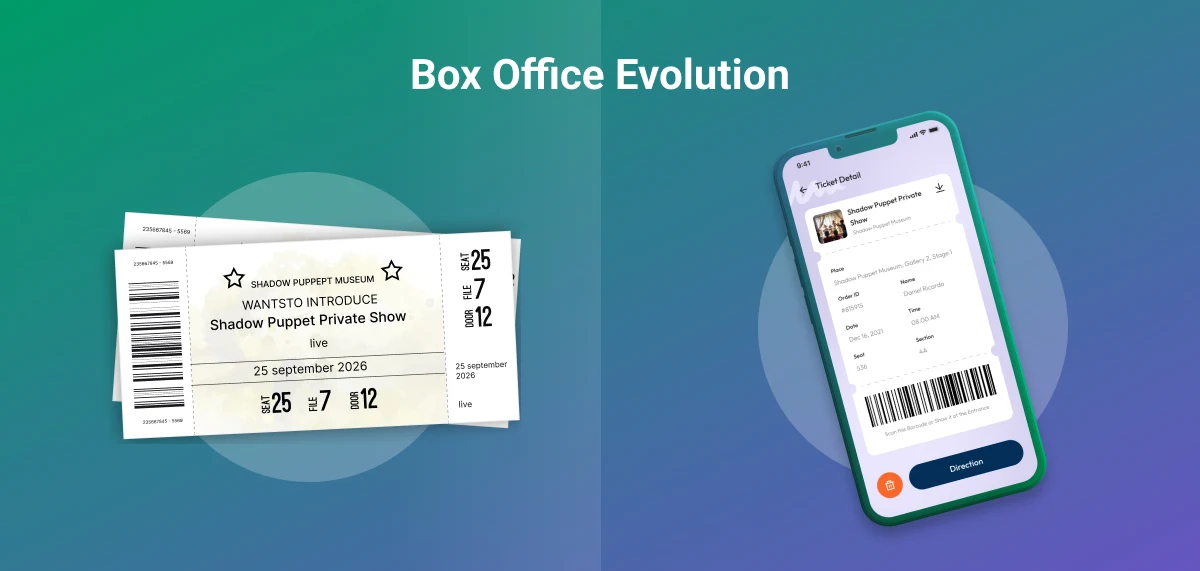
App modernization refers to the process of updating legacy ticketing systems to align with today's technological standards and user expectations.
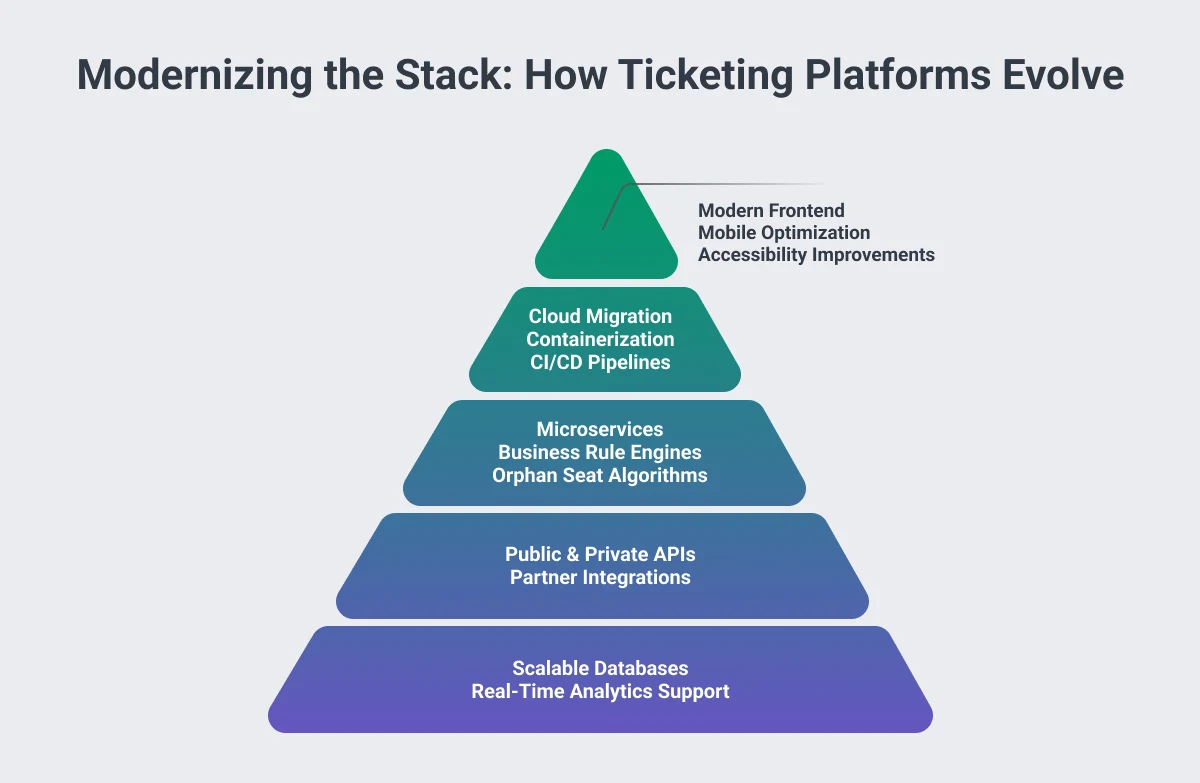
It goes beyond simply redesigning an interface; it often includes restructuring backend architecture, migrating to cloud infrastructure, enabling API-based integrations, and rebuilding specific features using more scalable, maintainable technologies.
For ticketing platforms, modernization is often driven by the need to support smoother ticket purchases, better mobile performance, and easier integration with other services like payment providers, access control systems, and marketing tools.

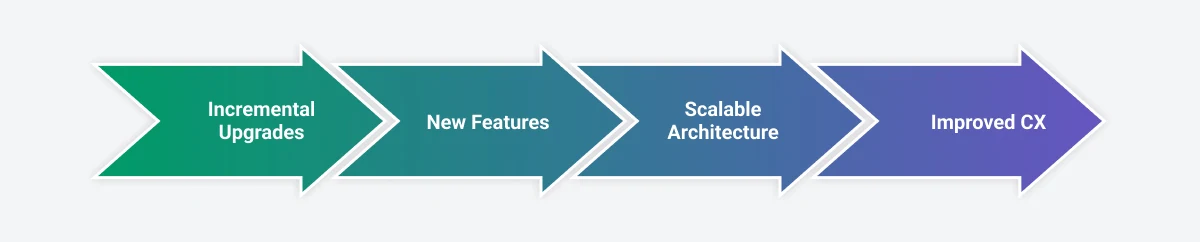
Rather than replacing entire systems at once, many ticketing providers take an incremental approach – gradually reworking legacy components to avoid service disruption. This can include:
- Refactoring monolithic codebases to support modular development
- Replatforming to cloud providers like AWS or Azure to gain scalability and cost efficiency
- Modernizing the frontend with frameworks like React to improve responsiveness and usability
- Introducing APIs to make the platform more extensible for promoters, resellers, or white-label partners
In Softjourn's work with ticketing companies, we've seen that modernization efforts often begin with a critical pain point. For example, a client may be unable to adjust pricing dynamically due to outdated architecture or struggle to onboard new venues quickly because of a rigid backend structure.
Ultimately, app modernization in ticketing is about laying a foundation that supports both short-term enhancements and long-term growth. Whether it's adopting new business models like season ticket packages or integrating with mobile wallets, modernization ensures platforms can respond to change without being constrained by technical debt.
Why Modernization Matters for Ticketing Companies
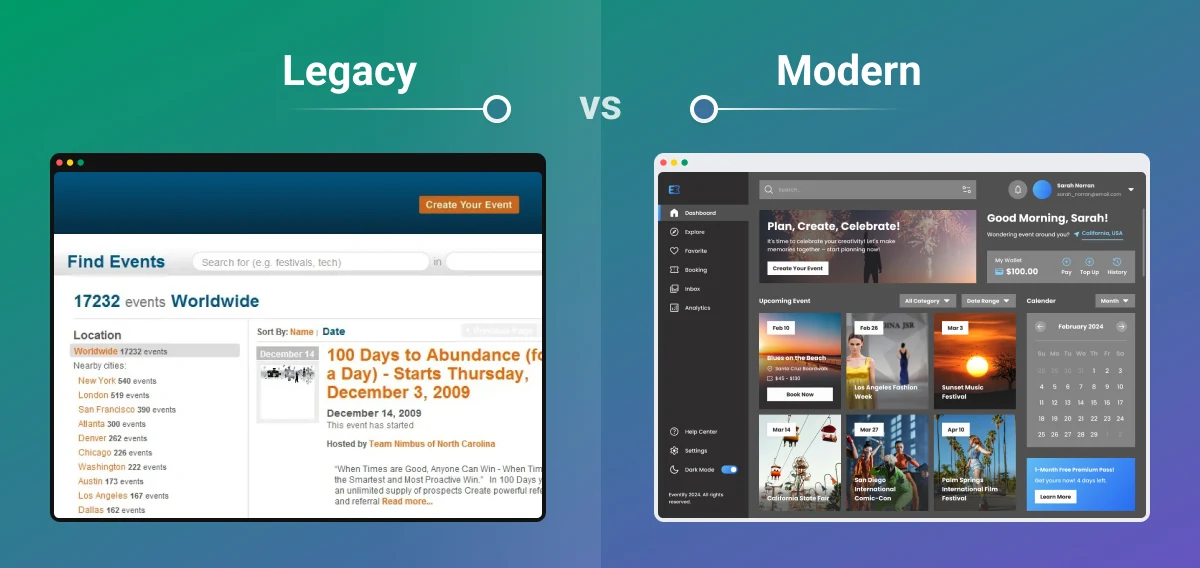
Modernization is not about chasing trends; it's about meeting the real operational and business needs of ticketing providers. As customer demands shift, and new technologies emerge, legacy systems can quickly become obstacles to growth.
One major driver is the need for better scalability. Platforms often experience traffic spikes during onsales or large event announcements. Without elastic cloud infrastructure or efficient backend services, these moments can lead to crashes or slowdowns that damage user trust and hurt sales.
We've seen this firsthand in Softjourn's work helping clients move from on-premise deployments to scalable cloud environments, ensuring consistent performance during peak loads.
Modernization also supports faster innovation. Legacy systems often require extensive workarounds to launch new features.
Other common benefits include:
- Improved conversion rates: A modern UI paired with features like saved payment methods or mobile check-in reduces friction at every stage of the ticketing journey.
Reduced operational costs: Moving to microservices or cloud-native infrastructure reduces long-term maintenance, simplifies updates, and improves deployment speeds. - Support for new revenue models: BNPL, early access tiers, in-app merchandising, and partner offers are easier to integrate with an API-ready platform.
- Enhanced data capabilities: Real-time analytics, dynamic pricing, and personalization depend on clean data flow across systems—something that's difficult to achieve with tightly coupled, outdated systems.
As a platform evolves, modernization provides the agility needed to adjust pricing strategies, test new engagement tools, or expand into new regions. Without it, companies risk falling behind competitors who are better equipped to adapt and scale.
Common Challenges Without Modernization
Operating on an outdated system often forces ticketing companies into a cycle of reactive fixes and technical limitations. These issues may not be obvious at first, but over time, they directly affect user satisfaction, internal efficiency, and business growth.
1. Poor Performance During High-Demand Events
Legacy infrastructure is frequently unable to handle the traffic spikes associated with major onsales, festivals, or high-profile matches. Without the elasticity of cloud environments or efficient load-balancing, even minor surges can lead to timeouts, failed purchases, and frustrated fans.
2. Limited Flexibility for New Features
Older systems often lack modularity, making it difficult to introduce new features or customize offerings. This limits a company's ability to test pricing strategies, offer exclusive bundles, or provide seat-specific promotions.
For instance, implementing dynamic reserved seating that avoids orphan seats or offers group discounts may require custom logic and real-time updates, which is difficult to achieve when working within a rigid, monolithic structure.
3. Fragmented User Journeys
Customers interact with ticketing systems across mobile apps, web platforms, social media links, and digital wallets. Without a modern architecture and unified user interface strategy, each channel can deliver a different and often inconsistent experience.
This becomes especially problematic when customers try to switch devices mid-purchase or want to access a digital ticket from an app they haven't used since the event was announced. Fragmentation leads to lost sales, increased support requests, and poor retention.
4. High Maintenance Costs
Older systems demand constant upkeep. Patching security vulnerabilities, updating outdated libraries, or simply keeping the system stable consumes engineering resources that could be better spent on innovation.
Clients have come to us after years of trying to maintain fragile legacy components. In most cases, we conduct an architecture assessment and sometimes recommended retiring a custom-built access control module in favor of a more reliable, easily integrated third-party solution. This will reduce maintenance burden while also improving event-day efficiency.
5. Incompatibility with Modern Integrations
Today's platforms are expected to integrate seamlessly with marketing automation tools, payment providers, identity verification systems, and venue access technology. But legacy systems often weren't designed for extensibility, which means integrations require manual workarounds or risky code changes.
In contrast, platforms built with modernization in mind can plug in new features with minimal disruption, whether it's enabling BNPL payments or connecting to a CRM for personalized offers.
Approaches to App Modernization
There's no single blueprint for modernizing a ticketing platform since every company starts from a different point. Some are dealing with tightly coupled legacy systems built in-house a decade ago, while others are running on third-party software that's no longer flexible enough for their business model.
What they share is a growing need to modernize in a way that minimizes disruption while unlocking long-term benefits. Below are the most effective and commonly used approaches, often combined in stages depending on urgency, budget, and existing architecture.
1. Replatforming to the Cloud
Migrating from on-premise servers to a cloud provider like AWS or Azure is one of the first steps for many ticketing platforms. This shift improves scalability and reduces infrastructure overhead.
For example, Softjourn helped a European ticketing provider migrate most of its core ticketing workflows to the cloud, improving performance during onsales and enabling quicker disaster recovery processes. This gave the client better control over traffic spikes without overprovisioning resources year-round.
2. Microservices and Containerization
Legacy ticketing applications are often monolithic, meaning a single codebase handles everything from seat selection to reporting. Refactoring these into microservices allows different parts of the system to evolve independently.
Using container technologies like Docker and Kubernetes enables ticketing companies to deploy updates faster and scale only the services that need it, for instance, a seat map engine or payment flow, without affecting the entire system.
3. API-First Development
Modern platforms are expected to integrate with partners, white-label vendors, and internal tools. Rebuilding around REST or GraphQL APIs helps expose core ticketing functionalities (such as seat availability, pricing, or ticket delivery) as modular, consumable services.
This approach not only improves flexibility but also supports omni-channel sales, as different frontends (mobile, web, kiosk) can interact with the same backend logic.
4. Front-End Modernization
Even if the backend remains intact, outdated frontends can hold a platform back. Modernizing the interface with frameworks like React or Vue improves speed, accessibility, and responsiveness.
5. Incremental Modernization
Replacing an entire platform at once is rarely feasible, especially for companies with ongoing event schedules. Instead, many providers take an incremental path: modernizing one high-impact area first, such as payment processing or digital ticket delivery.
This phased approach reduces risk, allows time for testing, and gives stakeholders measurable results early in the process.
Modernization In Action: Case Studies
Across our work with ticketing and entertainment clients, we've seen that app modernization delivers far more than just a visual upgrade. Whether updating legacy infrastructure or rethinking how platforms handle access, payments, or backend logic, the benefits often include:
- Greater scalability to support peak traffic and large-scale events
- Faster, more reliable sales and check-in experiences
- Cross-platform functionality that reduces maintenance and expands reach
- Streamlined workflows that save staff time and improve operational efficiency
- Lower infrastructure costs through optimized cloud architecture
- Improved user experiences, from cleaner UIs to smoother mobile interactions
- A future-ready foundation for rolling out new features and integrations
These gains aren't hypothetical – they're the result of practical, technical solutions tailored to business goals.
Here are real-world ticketing clients that Softjourn has helped evolve their systems to stay competitive and better serve their audiences:
Upgrading Box Office Software at Scale
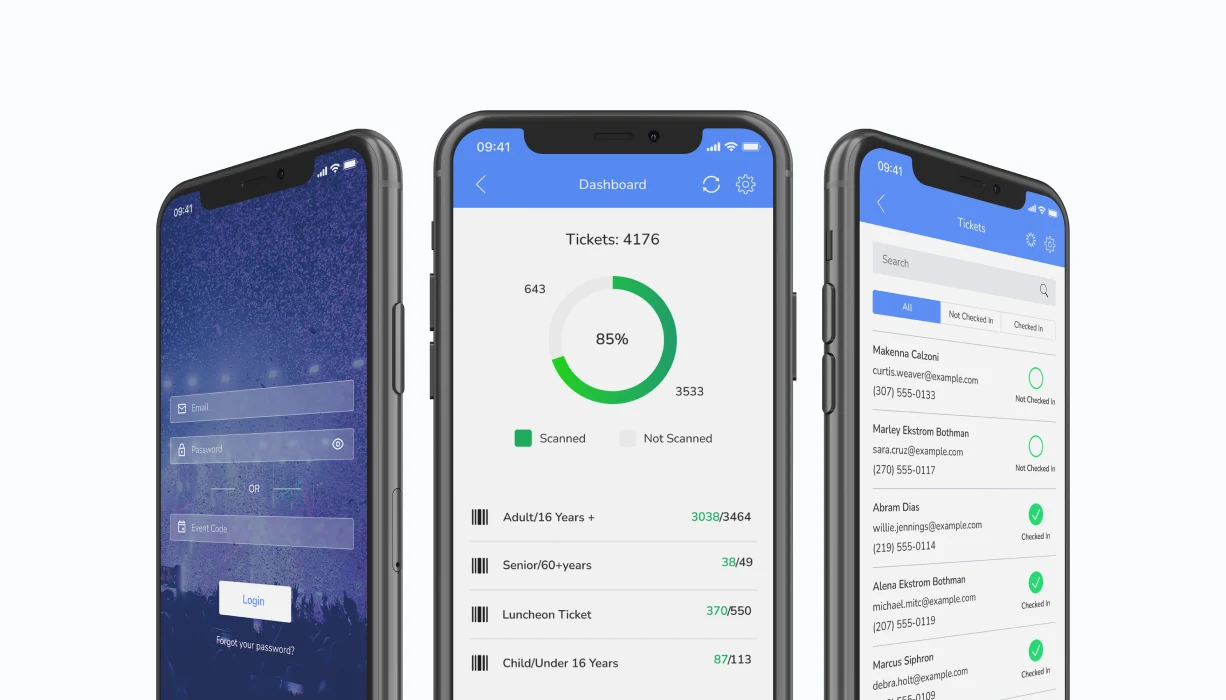
To keep up with rapid user growth, Vendini (now AudienceView) partnered with Softjourn to enhance their box office platform with new features, including a refund system, CRM expansion, and a mobile access control app. These additions improved ticket management at the venue level and supported day-to-day event operations without overhauling the entire platform.
Enhancing Mobile and Web Performance for Growing Demand
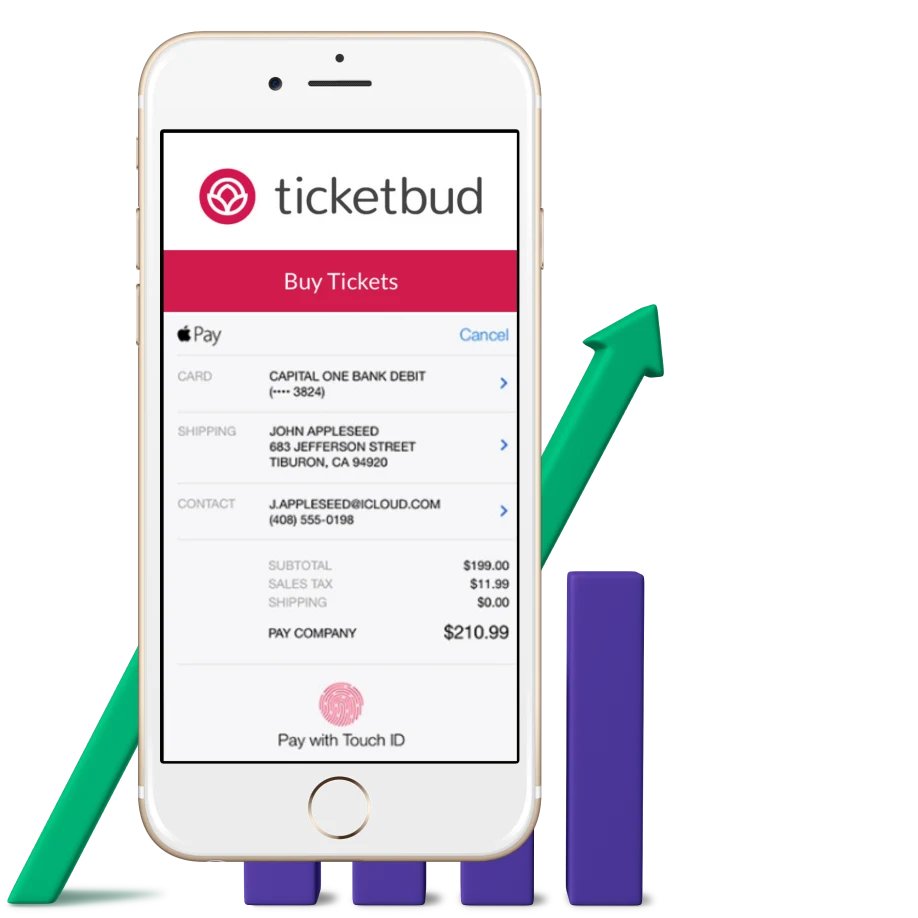
As event volumes increased, Ticketbud needed to scale both web and mobile platforms while improving backend performance and ticket scanning reliability. Softjourn modernized their mobile workflows, integrated a new payment system, and optimized backend logic, leading to better attendee experiences and stronger client acquisition.
Modernizing Cloud Infrastructure for Global Reach and Cost Efficiency
Cinewav faced latency issues and rising cloud costs as they expanded internationally. Softjourn implemented a multi-regional AWS deployment with CDN optimization and resource scaling, which improved performance for users worldwide and reduced their AWS expenses by 30%.
Cross-Platform App Strategy for Efficient Ticket Scanning
Ticketmaster was seeking a lower-maintenance alternative to native iOS and Android development for their ticket scanning solution. Softjourn created a Xamarin-based application that delivered offline scanning, unified code management, and high-speed barcode reading. The new app reduced operational costs and scanned over 200,000 tickets during early testing.
Scalable Booking for White-Label Clients
Spektrix needed a more flexible way for clients to manage branded ticketing experiences without extensive technical support. Softjourn designed a serverless Azure-based portal with traffic management, branding options, and automated deployment. The system enabled Spektrix to onboard 200+ clients while controlling infrastructure costs and handling traffic peaks smoothly.
Ticket Printing Modernization with .NET
MyZone Printing required a modern replacement for outdated Windows 7 software used to operate Boca Systems ticket printers. Softjourn developed a new .NET-based application compatible with Windows 10, enabling error-free high-volume printing, better image/template handling, and sequential ticketing. The upgrade helped myZone reduce downtime risk and deliver consistent performance across printer types.
Replacing Manual Ordering with a Digital System
WW&L relied on phone calls and emails for ticket orders, which slowed operations and limited growth. Softjourn built a web-based ordering system that allows admins and customers to place and track orders easily. The system reduced staff burden and created a reusable platform that can scale to other clients.
Mobile App Rewrite to Boost Usability and Speed
Event Espresso had outdated mobile apps that struggled on newer Android and iOS devices. Softjourn rebuilt both apps from the ground up, improving UX, performance, and API integrations. The new apps offered a more responsive experience and allowed features like group check-ins and manual payments at the door.
Framework Upgrade to Future-Proof a Ticketing Platform
Superstar originally came to Softjourn for new features but walked away with a cleaner, more scalable codebase after our recommendation to modernize their PHP framework. The rewrite in Laravel helped them separate concerns, improve maintainability, and future-proof their portal for new feature development.
Gap Assessment for Strategic Modernization
A Southeast Asian ticketing platform needed expert insight into how to scale and evolve their legacy system. Softjourn conducted a detailed code audit and delivered a high-level requirements document that aligned technology improvements with business goals. The result was a clear roadmap for modernization and client confidence in how to move forward.
From Legacy to Modern: Full Rewrite for IMS Management Services
IMS needed to replace a legacy cash and ticket management system with something more scalable and maintainable. Softjourn rewrote the application in .NET with enhanced workflows, automated reporting, and in-app backup. The result was faster operations, improved data integrity, and a foundation for continued innovation.
Cross-Platform Access Control for High-Volume Events
123 Tix wanted to improve their mobile ticket scanning capabilities and expand to Android. Softjourn developed a React Native-based access control app with features like offline mode, double-scanning, and advanced search. The upgraded app now handles large-scale music festivals while improving UX and device flexibility.
AI-Powered Event Discovery for Smarter Search and Sales
To address one of the most common UX limitations in ticketing—clunky search and event discovery—Softjourn's internal R&D center developed an AI-powered chatbot that helps fans instantly find relevant events using natural language queries like "What's happening this weekend under $50?" or "Family-friendly events near me."
The chatbot integrates seamlessly with existing ticketing platforms and enhances the user journey from search to checkout. It also provides value to platforms by surfacing underperforming events, promoting upsells like VIP packages or merchandise, and delivering analytics on trending customer interests.
This proof of concept is a working solution, designed to be quickly customized and deployed. It's a prime example of how app modernization can also include forward-looking innovation, not just code rewrites, but creating new tools that unlock better customer experiences and new revenue streams.
Want to learn how this AI assistant could work for your platform? Let's talk.
What's Holding Your Platform Back?
If your ticketing platform is starting to show its age – whether it's struggling during peak sales, holding you back from new feature rollouts, or simply costing too much to maintain – modernization might be the next logical step.
At Softjourn, we help ticketing and entertainment companies evaluate where they stand and where to invest first. Let's talk about how your system can evolve to meet tomorrow's demands.
A Future-Ready Platform Starts with Modernization
Modernization isn't a one-time project, but rather it's a strategic approach to building platforms that evolve with your business and your audience.
As the industry continues to shift toward more personalized, mobile-first experiences, modernizing your systems isn't just a competitive advantage – it's a necessity.